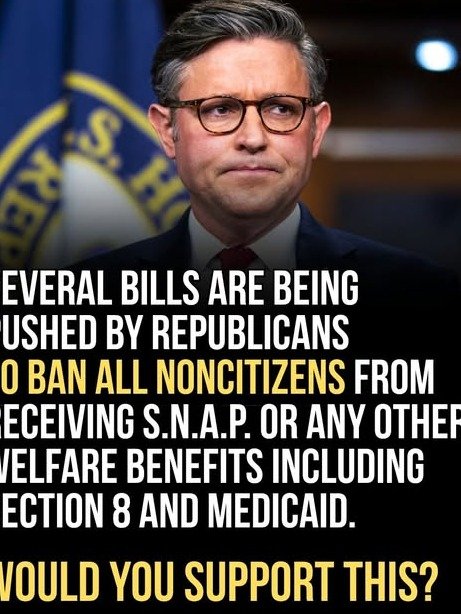
A seismic shift is brewing within the halls of Congress, one that could profoundly impact the lives of millions of Americans relying on federal assistance. Speaker Mike Johnson, alongside a coalition of Republicans, is spearheading proposals to tighten eligibility requirements for crucial programs like SNAP, Medicaid, and housing aid. This isn’t just political posturing; it’s a direct challenge to the nation’s social safety net, and its implications are far-reaching.
The debate around welfare has reignited with fierce intensity, putting essential support systems under the microscope. For many, these programs represent a lifeline – a way to put food on the table, access critical healthcare, or keep a roof over their heads during tough times. For others, they symbolize a drain on taxpayer resources and a disincentive for work. The stakes couldn’t be higher.
The Core of the Republican Push: Self-Sufficiency and Fiscal Prudence
At the heart of the Republican-backed proposals is a twin focus: promoting self-sufficiency and ensuring fiscal responsibility. Proponents argue that current federal benefit programs have grown too expansive, fostering dependency rather than encouraging individuals to enter or remain in the workforce. They believe that by introducing stricter eligibility criteria and work requirements, more Americans will be incentivized to seek employment and achieve financial independence.
Speaker Johnson and his allies often cite the national debt and the need for prudent spending as primary motivators. They contend that tightening access to these programs will not only reduce government expenditure but also strengthen the economy by increasing labor participation. This perspective views welfare as a temporary bridge, not a permanent solution, and seeks to realign policies to reflect that philosophy.
“Our goal is to help people move from welfare to work, to restore dignity and purpose,” stated a Republican aide familiar with the proposals. “We believe in a hand up, not a handout, and these reforms are designed to achieve just that for the American people.”
Unpacking the Proposed Changes to SNAP: Food Security at Risk?
The Supplemental Nutrition Assistance Program (SNAP), commonly known as food stamps, is a cornerstone of the federal safety net, providing crucial food assistance to low-income individuals and families. The proposed reforms aim to significantly alter who qualifies for these benefits and under what conditions.
One of the most prominent changes involves expanding work requirements. Currently, certain able-bodied adults without dependents (ABAWDs) between 18 and 50 are subject to work requirements, but proposed legislation seeks to raise this age limit, potentially up to 55 or even 60, and reduce the number of exemptions. This could mean that more older adults, who may face challenges finding employment, would need to meet strict work hours or risk losing their benefits.
Additional proposals include stricter asset tests, which would consider a broader range of a household’s assets when determining eligibility, potentially disqualifying individuals who have modest savings or a vehicle. Critics argue these changes could disproportionately affect the elderly, disabled, and single-parent households, pushing more families into food insecurity rather than out of poverty.
Medicaid Under Scrutiny: Healthcare Access in Jeopardy?
Medicaid provides vital health insurance coverage to millions of low-income Americans, including children, pregnant women, the elderly, and individuals with disabilities. The proposed reforms could dramatically reshape access to healthcare for some of the nation’s most vulnerable populations.
Similar to SNAP, a key focus for Medicaid reforms is the implementation or expansion of work requirements for non-disabled, non-elderly adult beneficiaries. While some states have experimented with such requirements in the past, often facing legal challenges, the new federal push aims to make them a more widespread condition for coverage. This could lead to a significant number of people losing their health insurance if they cannot meet the required work hours or navigate complex reporting systems.
Other potential changes include increased co-payments or premiums for beneficiaries, which, while seemingly small, could create insurmountable financial barriers for those living paycheck to paycheck. The concern among healthcare advocates is that these measures would lead to a rise in uninsured individuals, delayed medical care, and ultimately, poorer health outcomes across the country.
Housing Assistance: A Roof Over Your Head?
Federal housing assistance programs, such as Section 8 vouchers and public housing, play a critical role in providing safe and affordable housing for low-income families, the elderly, and people with disabilities. These programs are also on the Republican reform agenda, with proposals focusing on tightening eligibility and linking aid more directly to work or community engagement.
Potential changes could include stricter income verification processes, more frequent eligibility reviews, and potentially introducing work requirements for able-bodied adults receiving housing subsidies. The goal, as articulated by proponents, is to ensure that housing assistance is utilized by those most in need and that recipients are actively working towards self-sufficiency.
However, opponents caution that such reforms could exacerbate the already pressing issues of homelessness and housing instability. For families struggling with low wages, unreliable employment, or limited access to childcare, adding work requirements to housing aid could mean losing their homes, pushing them into precarious living situations or onto the streets.
The Debate: Two Sides of a Complex Coin
The welfare debate is rarely simple, encompassing deeply held beliefs about individual responsibility, societal obligation, and the role of government. Proponents of the reforms champion the idea that these changes will:
- Promote Self-Sufficiency: By incentivizing work, individuals will gain financial independence and dignity.
- Reduce Taxpayer Burden: Lowering government expenditure on welfare programs can free up funds for other priorities or reduce the national debt.
- Strengthen the Economy: Increased labor participation can boost economic growth and address labor shortages.
- Ensure Fairness: Taxpayers who work should not feel their contributions are supporting those who could work but choose not to.
Conversely, critics of the proposed tightening of eligibility raise serious concerns about the potential human cost and administrative challenges. Their arguments include:
- Increased Poverty and Hardship: Many recipients are already working low-wage jobs, are disabled, or are caregivers, and stricter rules could push them deeper into poverty.
- Administrative Burden: Implementing and monitoring complex work requirements can be costly and challenging for state agencies, leading to bureaucratic hurdles.
- Excluding the Truly Needy: Rigid rules may fail to account for individual circumstances, inadvertently cutting off essential aid to those who genuinely cannot work due to illness, disability, or caregiving responsibilities.
- Economic Ripple Effects: Reducing benefits could decrease consumer spending, negatively impacting local economies.
A Look Back: Lessons from Past Welfare Reforms
This isn’t the first time the nation has grappled with significant welfare reform. The most notable precedent is the Personal Responsibility and Work Opportunity Act (PRWORA) of 1996, signed into law by President Bill Clinton. This bipartisan legislation replaced Aid to Families with Dependent Children (AFDC) with Temporary Assistance for Needy Families (TANF), introducing strict time limits on benefits and emphasizing work requirements.
The 1996 reforms led to a dramatic decrease in welfare rolls and a rise in employment among single mothers. However, studies also showed mixed results regarding poverty reduction, with some analyses indicating increased hardship for the poorest families. Understanding the successes and failures of past reforms is crucial for evaluating the potential impact of the current proposals.
What Happens Next? The Road Ahead
The path forward for these Republican-backed proposals is fraught with political challenges. While House Republicans may be unified in their push for reform, any legislation would need to navigate a divided Congress, facing potential resistance in the Senate and from the Biden administration.
Advocacy groups for the poor, healthcare organizations, and anti-hunger coalitions are already mobilizing to oppose what they see as detrimental changes to vital safety net programs. The debate is expected to intensify, with significant public discourse and lobbying efforts from all sides.
The coming months will be critical in determining the future of federal welfare programs. The outcomes will not only shape the lives of millions of Americans but also define the nation’s approach to poverty, work, and social responsibility for years to come. Staying informed and understanding the nuances of these proposed changes is more important than ever.
About the Author




