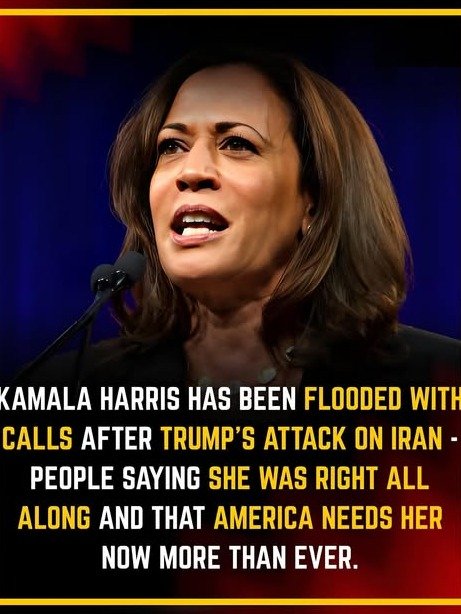
Have you ever stopped to consider how much of what you ‘know’ about political figures is actually carefully curated? In the high-stakes arena of modern politics, the way a candidate presents themselves isn’t just a matter of personal style; it’s a calculated strategy designed to capture hearts, minds, and most importantly, votes. Right now, two of America’s most prominent political figures, Donald Trump and Kamala Harris, are employing strikingly different, yet equally deliberate, approaches to shape public perception, and understanding these tactics is crucial for any engaged citizen.
There’s a noticeable, almost theatrical, contrast in how these two influential figures are being presented to the public. One is leaning heavily into a narrative of national strength and core priorities, while the other is meticulously building an image centered on progress, inclusivity, and the future. This isn’t just about policy differences; it’s about the very essence of their public personas and how they aim to connect with the American electorate.
Donald Trump’s Unwavering Focus: National Priorities First
Donald Trump’s public presentation consistently emphasizes a clear, often singular, message: national priorities. His rhetoric is frequently anchored in themes that resonate with a specific vision of American strength and self-reliance. From his rallies to his social media posts, the narrative is consistently about putting ‘America First’ and addressing what he frames as critical domestic and international challenges.
This strategy involves a relentless focus on issues like border security, economic nationalism, energy independence, and a robust national defense. His communication style is direct, often confrontational, and designed to project an image of decisive leadership. He frames these issues not just as policy points, but as fundamental pillars of national well-being and a return to perceived past glories.
For many supporters, this emphasis on national priorities translates into a feeling of security and a clear sense of direction. The message is often simplified, making it highly digestible and memorable, cutting through complex policy discussions with bold statements and promises of swift action. It’s a strategy that aims to tap into a sense of shared national identity and a desire for strong, unequivocal leadership.
Kamala Harris’s Evolving Narrative: Inclusivity, Progress, and the Future
In stark contrast, Kamala Harris’s public presentation often centers on themes of inclusivity, progress, and a forward-looking vision for America. Her messaging frequently highlights social justice, economic opportunity for all, democratic institutions, and community empowerment. She aims to present a more collaborative and empathetic leadership style, often emphasizing unity and shared values.
Harris’s approach involves delving into the specifics of policy, connecting legislative initiatives to the everyday lives of Americans, and engaging with diverse communities. Her public appearances often feature discussions on ‘kitchen table issues’ – healthcare costs, childcare, voting rights, and climate change – framed as opportunities for collective advancement and building a more equitable society.
This strategy seeks to build a broad coalition by appealing to a wide range of demographic groups and progressive ideals. It’s about presenting a vision of a modern America that embraces its diversity and tackles challenges through thoughtful policy and collaborative effort. The emphasis is on moving forward, addressing historical inequities, and creating a future where everyone has a fair shot.
Decoding the Strategic Divergence: Why These Approaches?
The strategic divergence between Trump and Harris is no accident; it’s a calculated move by both campaigns to appeal to their respective bases and win over undecided voters. Trump’s emphasis on national priorities taps into a desire for stability, a return to traditional values, and a strong stance against perceived external and internal threats. It’s a message that resonates deeply with voters who feel left behind or concerned about the nation’s direction.
Conversely, Harris’s focus on inclusivity and progress aims to energize a younger, more diverse electorate, as well as those who prioritize social justice, environmental protection, and a more collaborative global role for the United States. Her message seeks to inspire hope and a belief in the power of collective action to address complex societal issues.
“In politics, perception is reality. Both Trump and Harris understand this implicitly, crafting narratives that not only highlight their strengths but also strategically differentiate them from their opponents.”
These distinct approaches also reflect different political philosophies and desired leadership styles. Trump projects a strongman image, a disruptor who can unilaterally fix problems. Harris, on the other hand, often presents herself as a consensus-builder, a champion of the people, and a steady hand guiding the nation towards a more equitable future.
The Media Lens: How Narratives Are Amplified and Interpreted
The way these narratives are amplified by various media outlets plays a crucial role in shaping public perception. Conservative media often reinforces Trump’s ‘national priorities’ message, celebrating his directness and perceived strength. They highlight his statements on border security, economic growth, and America’s standing in the world, often framing them as essential for the nation’s survival and prosperity.
Liberal-leaning media, conversely, tends to emphasize Harris’s policy proposals, her engagement with diverse communities, and her focus on social justice issues. They often portray her as a thoughtful leader committed to progress and equality, highlighting her efforts to address systemic challenges and build a more inclusive society. This media amplification creates echo chambers, reinforcing existing biases and making it harder for individuals to see the full spectrum of each candidate’s presentation.
Social media further complicates this landscape, allowing both figures to directly communicate their messages, often bypassing traditional gatekeepers. This direct access enables them to control their narratives more tightly, but also subjects them to rapid-fire commentary and the spread of both supportive and critical content, often without context.
Voter Perception and Impact: Who Responds to What?
The impact of these contrasting public presentations on voter perception is profound. Voters who prioritize economic stability, national security, and a strong national identity are more likely to be drawn to Trump’s ‘national priorities’ narrative. They may see his directness as authenticity and his promises as a return to common sense principles.
Trump’s Appeal: Perceived strength, decisive action, focus on tangible national interests.
Harris’s Appeal: Empathy, collaborative problem-solving, focus on social equity and future progress.
Conversely, voters who prioritize social justice, environmental protection, healthcare access, and a more inclusive society are often more receptive to Harris’s message of progress and equity. They may view her policy-oriented approach as thoughtful and her emphasis on collaboration as a pathway to effective governance.
Understanding these underlying appeals is key to comprehending the dynamics of modern political campaigns. It’s not just about specific policies, but about the emotional and ideological resonance of the broader narrative each figure presents. Campaigns meticulously craft these images, knowing that they will dictate how voters feel, not just what they think.
The Road Ahead: What This Means for the Political Landscape
As the political landscape continues to evolve, the strategic public presentations of figures like Donald Trump and Kamala Harris will remain central to their campaigns. Their distinct approaches offer voters clear alternatives, not just in terms of policy, but in terms of leadership style and vision for the nation. This contrast forces voters to consider not only what issues matter most to them, but also what kind of leader they believe can best address those issues.
The ongoing battle for public perception highlights the sophistication of modern political messaging. It demonstrates that politics is as much about storytelling and image-making as it is about policy debates. For citizens, recognizing these strategic presentations is vital for making informed decisions, looking beyond the surface to understand the deeper intentions and appeals of each political figure.
Ultimately, the noticeable contrast in how these two prominent figures are presented publicly is a window into the broader ideological and cultural divides within the nation. By understanding their carefully constructed narratives – Trump’s emphasis on national priorities versus Harris’s focus on inclusivity and progress – we can better navigate the complex world of politics and make sense of the messages vying for our attention and our votes.