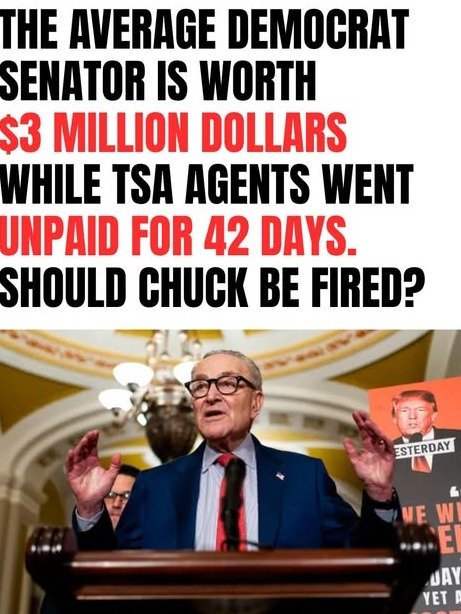
Have you flown recently? If so, you might have noticed something unsettling: airport security lines stretching longer than ever, snaking through terminals, testing the patience of even the most seasoned travelers. This isn’t just a seasonal rush or an isolated incident. Across the nation, a silent crisis is unfolding at our airports, directly linked to the ongoing government shutdown.
The unseen heroes on the front lines, the dedicated Transportation Security Administration (TSA) agents, are bearing the brunt of this political deadlock. While they stand vigilant, ensuring our safety, they are doing so under an unimaginable burden: working without pay. This isn’t merely an inconvenience; it’s a profound threat to national security, traveler experience, and the very stability of thousands of American families.
The Unseen Sacrifice: TSA Agents on the Brink
Imagine going to work every day, performing a critical job that demands unwavering focus and precision, knowing that your paycheck won’t arrive. This is the harsh reality for tens of thousands of TSA agents right now. Designated as ‘essential personnel,’ they are legally required to report for duty, despite the government’s inability to compensate them.
These are the men and women who safeguard our skies, meticulously screening passengers and luggage for threats, often under high-stress conditions. They are the first line of defense against terrorism and other dangers, yet their own financial security has been completely destabilized by a political stalemate far beyond their control. Many are living paycheck to paycheck, and missing even one payment can trigger a cascade of financial disasters.
More Than Just Long Lines: A Crisis of Morale and Safety
The immediate, visible impact for travelers is undoubtedly the agonizingly long security lines. Airports in major hubs like Atlanta, New York, and Chicago have reported unprecedented wait times, with some passengers missing flights due to delays that can stretch for hours. This isn’t just frustrating; it undermines the efficiency of air travel and has significant economic repercussions for both individuals and businesses.
But beneath the surface of these visible delays lies a deeper, more troubling issue: a rapidly deteriorating morale among the workforce. How long can individuals be expected to perform a demanding, critical job with full dedication when their basic needs, like paying rent or buying groceries, are threatened? The emotional and financial toll is immense, creating an environment ripe for burnout and potential security vulnerabilities.
“These agents are showing up, they’re doing their jobs, and they’re doing it with professionalism, but it’s getting harder and harder for them to make ends meet,” explained a spokesperson for a union representing federal employees. “The stress is palpable, and it’s not sustainable.”
The Ripple Effect: Beyond the Checkpoint
The impact of the shutdown extends far beyond the TSA checkpoint. Airlines are facing increased operational costs due to delayed flights and the need to rebook passengers. Businesses relying on air travel, from tourism to logistics, are feeling the pinch. The entire ecosystem of air travel, a vital engine of the American economy, is being disrupted.
Moreover, the shutdown affects other crucial federal functions within airports, including air traffic controllers and customs officials, many of whom are also working without pay. While the FAA has assured the public that air traffic control remains fully staffed, the underlying stress and uncertainty among these essential workers cannot be ignored. The potential for human error, though mitigated by rigorous protocols, increases when employees are under extreme personal duress.
What Does ‘Essential’ Really Mean in a Shutdown?
The designation of TSA agents and other federal employees as ‘essential’ highlights the critical nature of their work. They cannot simply stay home when the government closes its doors. They are deemed indispensable for public safety and national security. Yet, this essential status does not come with guaranteed pay during a shutdown, creating a cruel paradox.
This situation raises serious questions about the long-term implications for federal service. If essential workers are treated this way, what incentive do they have to remain in public service? The shutdown could lead to a significant exodus of experienced personnel, making it even harder to recruit and retain the talented individuals needed to protect our nation and provide vital services.
Navigating the Shutdown: Tips for Travelers
While the political situation remains unresolved, travelers can take steps to minimize the impact on their journeys. Being prepared and informed is key to navigating these challenging times at the airport.
- Arrive Extra Early: Plan to get to the airport significantly earlier than usual, especially during peak travel times. Two to three hours for domestic flights, and even more for international, is a new minimum.
- Check Airport Updates: Many airports are providing real-time updates on security wait times through their websites or social media channels. Check these before you leave home.
- Enroll in PreCheck/Global Entry: If you travel frequently, investing in TSA PreCheck or Global Entry can be a lifesaver, often allowing you to bypass the longest lines.
- Pack Smart: Ensure your carry-on adheres strictly to TSA guidelines to avoid any delays at the screening point.
- Show Empathy: Remember that the TSA agents you encounter are doing their best under incredibly stressful personal circumstances. A little patience and kindness can go a long way.
The Call for Resolution: A Plea for Our Essential Workers
The ongoing government shutdown is more than a political squabble; it’s a human crisis with tangible, detrimental effects on our national infrastructure and the lives of countless dedicated public servants. The sight of TSA agents working without pay while airport lines swell is a stark reminder of the real-world consequences of political inaction.
As the shutdown continues, the pressure mounts not only on the federal employees and their families but also on the traveling public and the economy at large. It’s a critical moment that demands swift resolution, not just for the sake of smoother travel, but for the fundamental principle of supporting those who tirelessly serve and protect us every single day.
Our essential workers deserve better. Our security deserves better. And the American public deserves a government that can function without holding its own employees and critical services hostage.
About the Author




