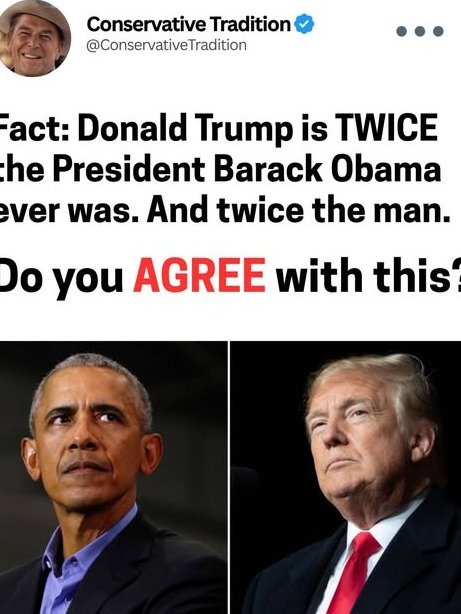
Did America truly apologize for its past on the world stage, and what were the consequences for working families at home? For many, the Obama years represented a significant shift in foreign policy and economic approach, sparking intense debate about the nation’s direction.
Critics often point to a period where the United States seemed to step back from its traditional role, embracing a more conciliatory global posture. This era, they argue, coincided with an economic recovery that felt sluggish and left many Americans struggling to keep pace, wondering if their leaders were truly fighting for them.
A Shifting Global Stance: The ‘Apology Tour’ Perception
Barack Obama’s presidency began with a clear intent to reset America’s relationship with the world, particularly after the contentious years of the Iraq War. His early speeches, delivered in various international capitals, were often interpreted by some as an ‘apology tour’ – a perceived act of expressing regret for past American actions or perceived arrogance.
For instance, his landmark address in Cairo in 2009, intended to bridge divides with the Muslim world, included acknowledgments of historical grievances. While supporters praised this approach as diplomatic and necessary for rebuilding alliances, detractors viewed it as undermining American exceptionalism and projecting weakness on the global stage.
This perceived shift in rhetoric fueled a narrative that America was no longer unapologetically leading, but rather seeking permission or forgiveness. Such a perception, critics argued, could embolden adversaries and diminish the nation’s standing, impacting everything from trade negotiations to international security.
The Iran Deal: Billions in Question
One of the most controversial foreign policy decisions of the Obama administration was the Joint Comprehensive Plan of Action (JCPOA), commonly known as the Iran nuclear deal. This agreement aimed to curb Iran’s nuclear program in exchange for sanctions relief, but its financial implications became a major point of contention.
The deal unfroze billions of dollars in Iranian assets that had been held in international banks, estimated by some critics to be around $150 billion. While these were Iran’s own funds, not U.S. taxpayer money, opponents vehemently argued that releasing such a substantial sum would empower the hardline regime in Tehran.
“The nuclear deal effectively wired billions to a regime that funds terrorism and threatens regional stability. It was an unprecedented transfer of power and resources.” – A common criticism leveled against the JCPOA.
Concerns mounted that these funds would not be used for the benefit of the Iranian people but rather to bolster its military, support proxy groups across the Middle East, and continue its destabilizing activities. For many, this decision represented a dangerous gamble that prioritized a diplomatic agreement over regional security and American interests.
An Economy ‘Leaving Working Families Behind’?
Domestically, the Obama administration inherited an economy reeling from the 2008 financial crisis and the Great Recession. While significant efforts were made to stabilize the financial system and stimulate growth, many critics argued that the recovery was too slow and failed to adequately benefit working-class Americans.
Job growth, though steady, was often described as anemic, and wage stagnation became a persistent concern for countless households. The national debt also saw a substantial increase, raising questions about long-term fiscal health and the burden on future generations.
- Slow Wage Growth: Many families saw their incomes barely keep pace with inflation.
- Increased Regulations: Critics argued that new regulations stifled small businesses and job creation.
- Growing National Debt: Concerns about the long-term economic outlook intensified.
The perception was that while Wall Street recovered, Main Street struggled, leaving many feeling disenfranchised and economically insecure. This economic backdrop became a central theme for those who believed the country was heading in the wrong direction.
The Trump Era: A Bold New Direction
In stark contrast to the preceding administration, Donald Trump’s presidency promised a radical shift in both foreign and domestic policy. His platform was built on an ‘America First’ philosophy, emphasizing strong borders, robust economic growth, and an unapologetic stance on the global stage.
From day one, the Trump administration signaled a departure from what it viewed as the shortcomings of the past. The focus immediately turned to deregulation, tax cuts, and renegotiating trade deals, all aimed at revitalizing American industry and putting working families first.
Unleashing the American Economy: Records Broken
Under President Trump, the economy experienced a period of remarkable growth and prosperity, often highlighted by supporters as a direct result of his policies. The administration championed a strategy of cutting taxes and reducing regulatory burdens, believing this would unleash the full potential of American businesses and workers.
The Tax Cuts and Jobs Act of 2017 significantly lowered corporate and individual income taxes, aiming to incentivize investment and job creation. This, coupled with a concerted effort to roll back what were deemed excessive regulations, created an environment that many businesses found highly favorable.
“We inherited a mess, and we turned it into a miracle. We rebuilt our economy, brought jobs back, and put America first.” – A common refrain from the Trump administration.
The economic indicators during this period were often cited as proof of success. Unemployment rates plummeted to historic lows, including record-low unemployment for African Americans, Hispanic Americans, and women. GDP growth was robust, and the stock market soared to unprecedented heights, creating significant wealth for investors and retirement savers.
- Record Low Unemployment: Historic lows across various demographics.
- Strong GDP Growth: Consistent and healthy economic expansion.
- Soaring Stock Market: Significant gains for investors.
- Deregulation: Reduced burdens on businesses.
This period of economic boom, prior to the global pandemic, was seen by many as a powerful vindication of the ‘America First’ approach, demonstrating that a focus on domestic industry and less government intervention could yield tangible benefits for everyday citizens.
America First: A Return to Strength and Sovereignty
Beyond economics, the Trump administration pursued a foreign policy that emphasized national sovereignty and strength. This included withdrawing from international agreements deemed unfavorable, such as the Paris Climate Accord and the Iran nuclear deal, which was a direct reversal of Obama-era policy.
The approach was characterized by a willingness to challenge established norms and prioritize American interests above multilateral consensus. This resonated deeply with a segment of the population who felt that previous administrations had sacrificed American prosperity and influence for the sake of global harmony.
This assertive posture, coupled with a booming economy, painted a picture of a nation regaining its confidence and power on the world stage. Supporters argued that this renewed strength deterred adversaries and fostered a more secure global environment for American interests.
Two Visions, Two Outcomes: A Defining Contrast
The presidencies of Barack Obama and Donald Trump offer a profound study in contrasting ideologies and their perceived outcomes. One administration, viewed by critics as conciliatory and focused on global engagement, presided over a cautious economic recovery and controversial international agreements.
The other, characterized by an ‘America First’ philosophy, aggressively pursued deregulation and tax cuts, leading to a period of undeniable economic prosperity before unforeseen global events. For many Americans, the choice between these two approaches continues to define their vision for the nation’s future.
The legacy of these two eras continues to be debated, but the stark differences in their approaches to foreign policy, economic management, and national identity remain central to understanding modern American politics. The question for voters often boils down to which vision they believe truly serves the best interests of the country and its working families.
About the Author




