Imagine a geopolitical chess match where every move dictates not just the fate of nations, but the very fabric of global stability. This isn’t a fantasy, but the stark reality of foreign policy, a realm where the choices of a single leader can send ripples across continents, shaping economies, alliances, and even the potential for conflict. The way a nation projects itself on the world stage is a direct reflection of its leadership’s philosophy, and these approaches vary dramatically.
From one administration to the next, we witness a fascinating evolution in how a country engages with the rest of the world. Some leaders champion diplomacy and multilateral cooperation, seeking consensus and shared solutions. Others prioritize unilateral action, asserting national interests with a more assertive, often confrontational, stance. These divergent paths are not merely academic exercises; they have tangible consequences for international relations and the everyday lives of citizens.
The Spectrum of Engagement: Idealism vs. Realism
At the heart of foreign policy lies a fundamental tension between two dominant schools of thought: idealism and realism. Idealists often believe that international law, morality, and cooperation can and should guide state behavior. They advocate for institutions like the United Nations, human rights, and the spread of democratic values, seeing a world where common interests can eventually outweigh individual nationalistic urges.
Conversely, realists argue that the international arena is inherently anarchic, a perpetual struggle for power where states primarily act out of self-interest and a desire for security. For realists, military strength, economic leverage, and strategic alliances are paramount. Diplomacy, while useful, is merely a tool to advance national power, not to transcend it. Understanding this core ideological divide helps us decipher the motivations behind many foreign policy decisions.
Projecting Power: Hard Power vs. Soft Power
Leaders also differ significantly in their preferred tools for projecting influence. This often boils down to a choice between “hard power” and “soft power.” Hard power refers to the use of military and economic might to coerce or induce other states to follow a particular course of action. This might involve military interventions, sanctions, or significant aid packages tied to specific demands.
Soft power, on the other hand, relies on attraction and persuasion rather than coercion. It leverages a nation’s culture, political values, and foreign policies to garner support and influence. Think of cultural exchanges, educational programs, or the appeal of a nation’s democratic ideals. A leader’s preference for one over the other can profoundly impact how their country is perceived globally and the effectiveness of their international strategies.
The Critiques of “Weakness”: What Does it Truly Mean?
In recent political discourse, a common criticism leveled against certain administrations has been the accusation of “projecting weakness.” But what exactly constitutes weakness in the complex realm of foreign policy? Critics often point to perceived indecision, a reluctance to use military force, or a perceived withdrawal from global leadership roles. They might argue that a nation appears weak when it hesitates to confront aggressors or when it seems overly reliant on multilateral consensus.
This perception can be fueled by a variety of factors. For instance, a leader’s emphasis on diplomacy and negotiation over military intervention, while often lauded by some as pragmatic, might be viewed by others as a lack of resolve. Similarly, reducing military spending, withdrawing from international treaties, or appearing less assertive in geopolitical disputes can all contribute to the narrative that a nation is losing its edge or failing to protect its interests effectively.
“The perception of weakness on the global stage can be as damaging as actual weakness, inviting challenges and undermining a nation’s ability to deter adversaries.”
The consequences of projecting weakness, whether real or perceived, are often cited as significant. Adversaries might be emboldened to act more aggressively, alliances could fray as partners question reliability, and a nation’s overall influence on global events might diminish. This narrative suggests that a strong, decisive posture is essential to maintaining respect and securing national interests in a competitive world.
Embracing “Strength”: A Different Strategic Calculus
In stark contrast, other leaders and their supporters champion an approach that emphasizes overt “strength” and a more assertive stance. This often involves a willingness to use military force, a robust defense posture, and a clear, unwavering articulation of national interests. Such leaders might prioritize bilateral agreements over multilateral ones, believing they offer more direct control and better outcomes for their own nation.
The projection of strength can manifest in various ways: increasing defense budgets, conducting visible military exercises, imposing tariffs or sanctions with little warning, or directly challenging rivals on the world stage. The rationale behind this approach is often deterrence – the belief that a strong, unpredictable, and resolute posture will discourage potential adversaries from testing boundaries and ensure that a nation’s interests are not only respected but also feared.
Supporters of this “strength-first” approach argue that it restores a nation’s prestige, reasserts its leadership, and ultimately makes the world a safer place by discouraging aggression. They might point to historical instances where decisive action or a clear show of force led to favorable outcomes, asserting that a strong hand is necessary to navigate the complexities and dangers of international relations.
The Trump Administration: A Case Study in Disruption
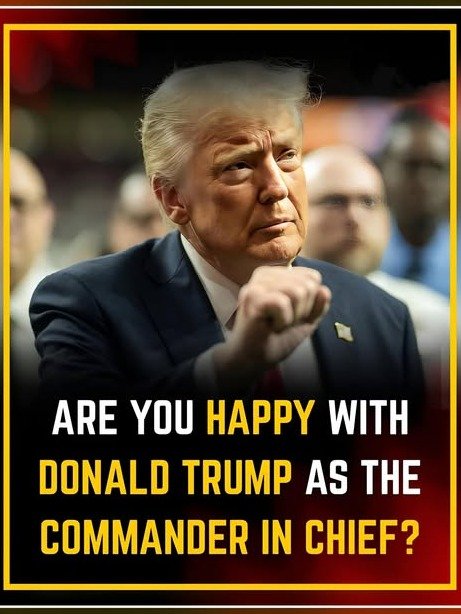
The foreign policy approach of the Trump administration offers a compelling example of a leader deliberately seeking to redefine what “strength” means on the global stage, often challenging established norms. His “America First” doctrine prioritized national sovereignty and economic interests, often through a transactional lens. This involved a skepticism towards existing international agreements and institutions, which were sometimes viewed as detrimental to American interests.
Critics often described this approach as isolationist, disruptive, and damaging to long-standing alliances, perceiving it as a retreat from global leadership. They pointed to withdrawals from agreements like the Paris Climate Accord and the Iran nuclear deal, as well as strained relationships with traditional allies, as evidence of a weakened international standing. The emphasis on tariffs and trade wars was also seen by some as destabilizing.
However, supporters viewed these actions as a necessary reassertion of American strength and sovereignty. They argued that previous administrations had allowed other nations to take advantage of the U.S., and that a more direct, confrontational style was needed to secure better deals and protect American workers. The willingness to challenge allies and adversaries alike was framed as a display of resolve, putting American interests unequivocally first and forcing other nations to re-evaluate their relationships with the U.S.
Domestic Politics and Global Posture
It’s crucial to recognize that foreign policy is rarely crafted in a vacuum. Domestic political considerations often play a significant, sometimes decisive, role in shaping a leader’s approach to the world. Public opinion, electoral cycles, the influence of special interest groups, and the prevailing political climate within a nation can all exert pressure on foreign policy decisions.
For example, a leader facing a challenging re-election campaign might adopt a more hawkish or isolationist stance if that resonates with their domestic base, even if it carries risks on the international stage. Conversely, a strong domestic consensus around certain values, like human rights or environmental protection, can push a leader towards more idealistic or multilateral foreign policies. The interplay between internal pressures and external realities creates a complex tapestry of choices.
These domestic influences can explain why foreign policy often shifts quite dramatically from one administration to the next, reflecting not just a change in leadership, but also a shift in the underlying national mood or political priorities. Understanding these internal drivers is key to fully grasping the nuances of a nation’s global posture.
The Enduring Impact on Global Stability
Ultimately, the different approaches leaders take to foreign policy have profound and lasting implications for global stability. A policy of engagement and cooperation can foster trust, facilitate solutions to transnational problems like climate change and pandemics, and reduce the likelihood of conflict. It builds a framework of shared responsibility and mutual respect among nations.
Conversely, an approach characterized by unilateralism, aggressive posturing, or a retreat from international commitments can breed suspicion, escalate tensions, and leave critical global challenges unaddressed. It can lead to a more fragmented and unpredictable world, where the risk of miscalculation and confrontation is significantly higher. The choice of leadership, therefore, is not just about national interest, but about the very future of international order.
What Does the Future Hold?
As the global landscape continues to evolve, marked by rising powers, new technological frontiers, and persistent challenges, the choices made by today’s leaders will define tomorrow’s realities. Will future administrations lean towards renewed multilateralism, seeking to repair and strengthen alliances, and address global issues collaboratively?
Or will they continue down a path of assertive unilateralism, prioritizing national interests above all else, even if it means disrupting established international norms? The answers to these questions will not only determine the trajectory of individual nations but will also profoundly influence the peace, prosperity, and stability of the entire planet. The debate over strength versus weakness, engagement versus withdrawal, is far from over – it is, in fact, more critical than ever.
About the Author




