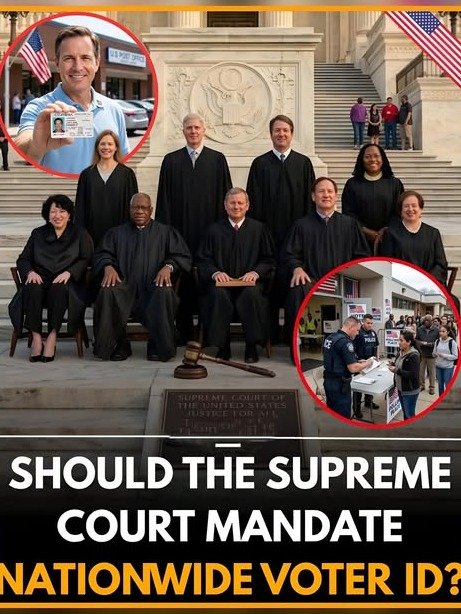
Imagine a world where the very foundation of how we cast our ballots, how our votes are counted, and who gets to decide the outcome, is once again under intense scrutiny. The whispers are growing louder, and the legal maneuvers are already underway: America’s election laws are poised for another dramatic showdown at the U.S. Supreme Court.
This isn’t just a wonky legal debate; it’s a battle that could fundamentally redefine American democracy and directly impact your ability to vote. The stakes couldn’t be higher as a renewed focus on election policy threatens to bring national attention back to the highest court in the land, sparking a fierce debate that will resonate for generations.
The Looming Legal Showdown: Why Now?
The echoes of recent contentious elections, particularly the 2020 and 2022 cycles, continue to reverberate through the American legal and political landscape. These periods highlighted deep divisions over the administration of elections, fueling a surge in legal challenges from all sides of the political spectrum. This intense polarization has created a fertile ground for new lawsuits and appeals, pushing critical questions about voting rights and election procedures towards the federal judiciary.
A significant part of this renewed legal interest stems from a fundamental disagreement over two core principles: election integrity versus voter access. Advocates for stricter rules often cite concerns about potential fraud or security vulnerabilities, while proponents of broader access emphasize the fundamental right to vote and the need to remove barriers for eligible citizens. These clashing philosophies are now converging in courtrooms across the nation, with many cases charting a course directly to the Supreme Court.
Key Areas of Contention: What’s On the Docket?
Several critical aspects of election law are currently under legal challenge, each carrying profound implications for how future elections will be conducted. These aren’t minor technicalities; they are foundational questions about the fairness and accessibility of our democratic process.
Voter Identification Laws
- The Debate: Should voters be required to show photo identification at the polls?
- Arguments For: Proponents argue that strict photo ID laws are essential for preventing voter impersonation and enhancing public confidence in election results. They often frame it as a common-sense security measure, akin to showing ID for other transactions.
- Arguments Against: Opponents contend that such laws disproportionately disenfranchise eligible voters, particularly minorities, the elderly, students, and low-income individuals who may lack easy access to government-issued photo IDs. They argue that voter impersonation is exceedingly rare and these laws create unnecessary barriers to the ballot box.
Mail-in Balloting and Absentee Voting
The COVID-19 pandemic significantly expanded the use of mail-in and absentee voting, leading to both unprecedented participation and intense scrutiny. Legal battles now focus on the rules governing these methods.
- Expanded Access: Some states moved to universal mail-in voting or significantly relaxed absentee ballot requirements, allowing anyone to vote by mail without an excuse.
- Restrictions: Other states have since moved to tighten these rules, imposing stricter requirements for requesting ballots, signature matching verification, and limiting the use of ballot drop boxes or
About the Author




