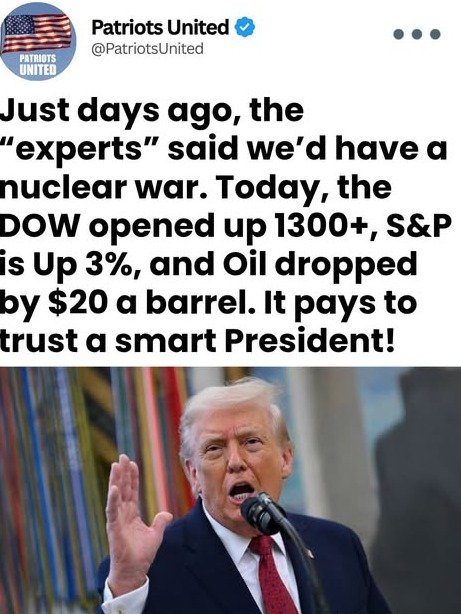
What if everything you heard about the global economy just days ago was completely upended? Imagine a world where dire warnings of collapse give way to a breathtaking surge in the stock market – almost as if the ‘experts’ were looking at a different planet. Just a short while ago, the air was thick with anxiety, saturated with predictions of looming financial catastrophe and even whispers of global conflict.
Headlines shrieked about an imminent recession, runaway inflation, and geopolitical tensions escalating to terrifying levels. Pundits and analysts across every major news outlet painted a grim picture, suggesting that investors should brace for the worst. Yet, in a stunning reversal, the markets have roared back with an intensity that has left many scratching their heads and reassessing the very foundations of financial forecasting.
The Shadow of Dire Predictions
It wasn’t long ago that the economic landscape seemed shrouded in an impenetrable fog of fear. Everywhere you turned, the narrative was consistently bleak. Esteemed economists warned of a ‘perfect storm’ brewing, citing persistent inflation, aggressive interest rate hikes from central banks, and a fragile global supply chain still reeling from unprecedented disruptions.
Geopolitical tensions added another layer of profound uncertainty, with discussions of potential conflicts and their devastating economic fallout becoming disturbingly commonplace. The consensus among many ‘experts’ was clear: a significant market downturn, if not an outright crash, was not just probable, but inevitable. This pervasive sense of dread had many investors on edge, contemplating drastic measures to protect their portfolios.
We heard about the specter of stagflation, a nightmarish scenario combining high inflation with stagnant economic growth, reminiscent of the challenging 1970s. Businesses braced for reduced consumer spending, while individuals worried about job security and the eroding power of their savings. The weight of these predictions created an atmosphere of palpable anxiety across households and boardrooms alike.
A Sudden, Stunning Reversal
Then, almost out of nowhere, the tide turned dramatically. What felt like an overnight shift brought a wave of unexpected optimism back to the markets. In a move that defied the recent chorus of doom, the Dow Jones Industrial Average soared by over 1,300 points, marking one of its most significant single-day gains in recent memory.
The broader S&P 500 index wasn’t far behind, jumping nearly 3% as investors rushed back into equities. Even the oil market, which had been a major source of inflationary pressure and geopolitical concern, saw a significant pullback from its recent highs, easing fears about energy costs and their impact on global economies. This sudden surge left many wondering: what exactly happened?
For those who had been paralyzed by fear and perhaps even sold off assets in anticipation of a crash, this market rebound felt like a cruel twist of fate. It underscored the inherent unpredictability of financial markets and the often-misleading nature of short-term expert forecasts. The collective sigh of relief was almost audible, yet it was mixed with a healthy dose of skepticism and surprise.
Unpacking the Market’s Meteoric Rise
So, what fueled this remarkable turnaround? Several factors likely converged to create this powerful updraft. Often, market rebounds are triggered by a combination of improving economic data, a perceived de-escalation of geopolitical risks, and a shift in investor sentiment that moves from extreme pessimism to cautious optimism. Sometimes, markets simply become ‘oversold,’ meaning prices drop so low that they present an attractive buying opportunity for savvy investors.
One key driver could have been the release of unexpectedly positive economic indicators. Perhaps inflation data showed signs of cooling more quickly than anticipated, or employment figures demonstrated surprising resilience. Such data points can quickly shift the narrative from impending recession to a ‘soft landing’ scenario, where the economy slows without tipping into a full-blown downturn. This can provide a strong psychological boost.
“The stock market is a device for transferring money from the impatient to the patient.” – Warren Buffett
Another significant factor might be a perceived easing of geopolitical tensions. Even minor diplomatic breakthroughs or a reduction in aggressive rhetoric can send a powerful signal to markets that the worst-case scenarios are becoming less likely. When the risk of widespread conflict diminishes, investor confidence tends to return, leading to increased buying activity and a surge in asset prices.
The Fallibility of Forecasts: Why ‘Experts’ Missed It
The stark contrast between recent expert warnings and the market’s performance raises a crucial question: why do even highly credentialed analysts often get it wrong? The truth is, predicting the future, especially in complex and interconnected global systems like financial markets, is incredibly difficult. Markets are influenced by an almost infinite number of variables, many of which are unforeseen and unpredictable.
Economic models, while sophisticated, rely on historical data and assumptions that may not hold true in rapidly changing environments. Geopolitical events, technological breakthroughs, and shifts in consumer behavior can all derail even the most carefully constructed forecasts. Furthermore, there’s a psychological element at play: fear and greed often amplify market movements, leading to overreactions in both directions.
Media coverage also plays a significant role. Negative news tends to be more sensational and therefore more widely consumed, creating a feedback loop of fear. When a few prominent ‘experts’ voice concerns, their opinions can quickly become amplified, shaping public perception and contributing to a herd mentality that can push markets beyond rational valuations. This overemphasis on short-term anxieties can obscure underlying strengths or potential catalysts for recovery.
Navigating the Volatile Waters: Lessons for Investors
For individual investors, this recent market whiplash offers invaluable lessons. The first is the importance of maintaining a long-term perspective. Short-term fluctuations, no matter how dramatic, are a normal part of market cycles. Reacting impulsively to every headline or expert prediction can lead to poor decision-making and missed opportunities.
- Avoid Emotional Decisions: Panic selling during downturns or chasing rallies can erode wealth. Stick to a well-thought-out investment plan.
- Diversify Your Portfolio: Don’t put all your eggs in one basket. A diversified portfolio can help mitigate risks during volatile periods.
- Focus on Fundamentals: Invest in quality companies with strong balance sheets and solid growth prospects, rather than speculating on short-term trends.
- Dollar-Cost Averaging: Invest a fixed amount regularly, regardless of market highs or lows. This strategy helps reduce the impact of volatility.
Another critical takeaway is to cultivate independent thinking. While it’s wise to listen to a range of opinions, ultimately, your investment decisions should align with your own financial goals, risk tolerance, and research. Don’t blindly follow the crowd, especially when the crowd is gripped by extreme fear or euphoria. A healthy dose of skepticism towards sensational headlines is always beneficial.
Beyond the Headlines: What’s Next?
While the recent market surge offers a welcome respite, it’s crucial to remember that volatility is an inherent characteristic of financial markets. This rally doesn’t necessarily mean all economic challenges have vanished. Inflation, interest rates, and geopolitical tensions remain significant factors that could influence future market movements.
This rebound could be a genuine sign of underlying economic resilience and a path towards a more stable future. Or, it could be a ‘dead cat bounce’ – a temporary recovery within a broader downtrend. Only time will tell. What is certain is that markets are complex, dynamic systems that rarely move in a straight line, defying even the most sophisticated predictions.
The Enduring Power of Resilience
Ultimately, this dramatic shift from widespread doom to surprising market strength serves as a powerful reminder of the global economy’s enduring resilience. Despite facing numerous headwinds, the capacity for innovation, adaptation, and recovery often triumphs over the most dire predictions. It underscores the importance of patience, strategic planning, and a calm demeanor when navigating the unpredictable currents of the financial world.
So, the next time the ‘experts’ are collectively sounding the alarm, take a deep breath. Remember that markets are a testament to human ingenuity and the cyclical nature of progress. While caution is always prudent, succumbing to panic often means missing out on the inevitable rebounds. Stay informed, stay diversified, and above all, stay disciplined.
About the Author




