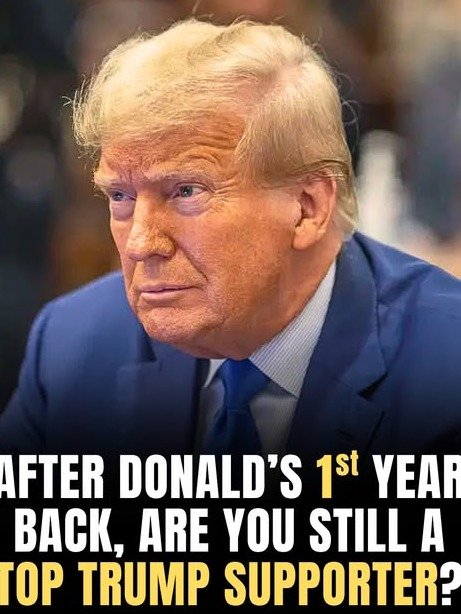
Imagine waking up today, exactly one year after a seismic political shift. The country has now had 365 days to adjust to a familiar yet profoundly altered landscape: a second Trump presidency. What has truly defined this unprecedented year? The initial promises, the whirlwind of executive actions, and the palpable changes across every facet of American life have now settled into a clearer, more defined pattern.
This past year has been a masterclass in executive action, demonstrating a clear intent to quickly implement a pre-defined agenda. From the moment the oath was taken, the gears of government shifted dramatically, reflecting the President’s vision for a reinvigorated America. The speed and scope of these early moves left little doubt about the direction the administration intended to take, fundamentally reshaping policy areas that had seen incremental changes for decades.
The Immediate Policy Blitz: A Rapid Recalibration
The first few months of the second term saw a flurry of executive orders, signaling a rapid recalibration of federal priorities. Environmental regulations faced significant rollback, with the administration prioritizing energy independence and domestic production above all else. Permitting for new drilling and pipeline projects accelerated, aiming to solidify America’s position as a global energy powerhouse.
Immigration policy also underwent a swift and comprehensive overhaul. Enhanced border security measures were implemented with renewed vigor, including the expansion of physical barriers and a dramatic increase in enforcement personnel. Policies aimed at deterring illegal crossings and streamlining deportation processes were central to this renewed focus, leading to significant changes at the nation’s southern border.
“The mandate was clear: deliver on the promises made, and do it with unwavering resolve,” remarked a senior administration official. “We wasted no time in dismantling the bureaucratic hurdles that stood in the way of American prosperity and security.”
Trade policy, a hallmark of the first presidency, was similarly re-energized. New tariffs were introduced on goods from specific countries, particularly those deemed to engage in unfair trade practices, intensifying global trade tensions. The goal was to protect American industries and jobs, even if it meant navigating complex international negotiations and potential retaliatory measures.
Economic Realignment: Trade, Taxes, and Growth
Economically, the administration pushed for further deregulation across various sectors, from finance to manufacturing, arguing that less government oversight would spur innovation and job creation. The aim was to unleash the full potential of American businesses, allowing them to compete more effectively on the global stage without what the administration viewed as unnecessary burdens.
Tax policy also saw adjustments, with discussions quickly turning to further cuts for corporations and individuals, intended to stimulate investment and consumer spending. While proponents argued these measures would ignite robust economic growth, critics raised concerns about their long-term impact on national debt and income inequality. The debate over trickle-down economics was back at the forefront.
The emphasis on domestic manufacturing and job repatriation became a central theme, with incentives offered to companies that chose to produce goods within the United States. This strategy aimed to rebuild industrial capacity and create high-paying jobs, directly appealing to a key segment of the President’s base. The supply chain resilience became a national security priority.
America First, Reimagined: Foreign Policy Shifts
On the international stage, the “America First” doctrine was unequivocally reasserted, leading to noticeable shifts in global alliances and diplomatic engagements. The administration adopted a more transactional approach to foreign policy, evaluating relationships based on perceived national interest rather than long-standing multilateral commitments. This often meant challenging established norms and institutions.
NATO faced renewed scrutiny regarding burden-sharing among member states, prompting intense discussions about the alliance’s future and effectiveness. Bilateral agreements were often prioritized over broader international coalitions, reflecting a preference for direct negotiations and tailored partnerships. This approach led to both new opportunities and significant strains in traditional relationships.
“Our foreign policy is simple: America’s interests come first. We will engage with nations that respect our sovereignty and contribute to global stability, but we will not be taken advantage of,” stated the Secretary of State during a press briefing.
Relationships with major global powers like China and Russia continued to be defined by a complex mix of confrontation and cautious engagement. While economic competition with China intensified, particularly in technology and trade, dialogue with Russia remained a contentious but open channel, often drawing criticism from allies and domestic opponents alike.
Domestic Divides and Cultural Battlegrounds
Domestically, the administration continued to navigate a deeply polarized political landscape. Cultural issues remained at the forefront, with debates over free speech, education, and identity politics frequently dominating public discourse. The President’s rhetoric often energized his base while simultaneously galvanizing opposition forces, leading to continued social tension.
Judicial appointments continued to be a significant focus, with the administration prioritizing conservative judges at all levels of the federal court system. These appointments aimed to reshape the judiciary for decades to come, ensuring a legal framework aligned with the administration’s constitutional interpretations. This strategy had profound implications for future legal battles on social and regulatory matters.
The role of federal agencies in daily American life also saw significant changes. Efforts were made to reduce the size and scope of various departments, reallocating resources and streamlining processes. This was framed as an effort to make government more efficient and less intrusive, though critics argued it weakened essential public services and protections.
Governing from the Top: Executive Power and Institutions
The relationship between the White House and Congress remained dynamic, characterized by periods of intense negotiation and occasional legislative breakthroughs, particularly when the President’s party held a majority. However, the administration often relied heavily on executive actions to bypass legislative gridlock, further solidifying the trend of presidential power expansion.
Media relations continued to be contentious, with the administration frequently challenging mainstream news outlets and promoting alternative information channels. This approach further deepened existing divides in how Americans consumed and trusted information, contributing to a fragmented media landscape where narratives often diverged sharply.
Internally, the administration maintained a lean, loyal team, with a strong emphasis on direct communication and accountability. While some critics pointed to high turnover rates, supporters highlighted the President’s ability to drive his agenda forward with a dedicated core of advisors. This centralized style of governance became a defining characteristic of the second term.
The National Mood: Polarization and Public Perception
Public opinion after one year reflected the nation’s deep divisions. The President’s base remained fiercely loyal, celebrating the rapid implementation of promised policies and viewing the changes as a necessary course correction for the country. Rallies and online engagement showed sustained enthusiasm, underscoring the enduring connection between the President and his supporters.
Conversely, opposition to the administration remained robust and highly organized. Protests, advocacy campaigns, and legal challenges were frequent, demonstrating a determined effort to resist and counter the administration’s agenda. This constant push-and-pull defined much of the national conversation, leaving little room for moderate ground.
For many Americans in the middle, the first year brought a mix of apprehension and adaptation. While some policies yielded tangible benefits, others caused concern, leading to a sense of uncertainty about the nation’s long-term trajectory. The constant political discourse often felt overwhelming, impacting daily life and personal decision-making.
Looking Ahead: The Road from Year One
As the first year concluded, the country had a much clearer understanding of the profound shifts underway. The administration’s unwavering commitment to its core principles had reshaped government, economy, and foreign relations, laying a distinct foundation for the remainder of the term. The initial promises had largely been translated into concrete actions, setting a new course for the nation.
The challenges ahead remained significant, from navigating global economic pressures to addressing persistent domestic divides. Yet, the first year demonstrated a clear and consistent vision, leaving little doubt about the President’s determination to continue on this path. The question for many now was not what would happen, but how the nation would adapt to this new reality.
The legacy of this second term’s initial year will undoubtedly be debated for decades, marked by bold policy reversals, renewed national focus, and an enduring impact on the fabric of American society. It was a year that solidified a new political era, one characterized by decisive action and a relentless pursuit of a specific national vision.
About the Author




