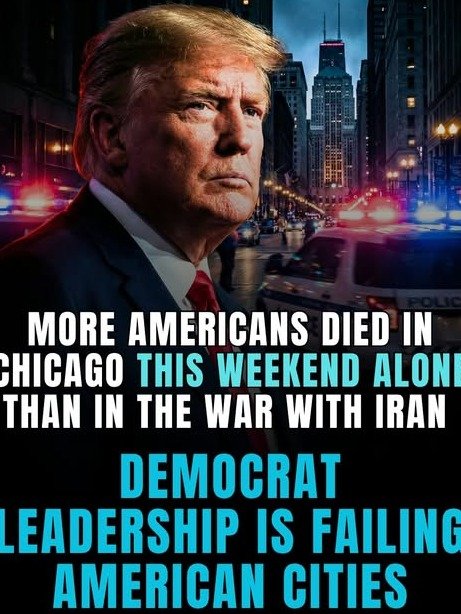
Another weekend has passed in Chicago, leaving behind a grim tally of lives lost and futures shattered. For many residents, the cycle of violence feels relentless, punctuated by the chilling reports that emerge every Monday morning. While the immediate focus often falls on the tragic statistics, a far more unsettling question looms large: are we truly prioritizing what matters most to safeguard our city and its people?
CBS Chicago recently highlighted this stark reality, reporting that at least three people were killed and many more injured in yet another weekend of bloodshed. This isn’t an isolated incident; it’s a recurring pattern that has become a painful backdrop to life in the Windy City. Each new report amplifies a growing sense of urgency and, for many, a profound frustration with the ongoing crisis.
The Grim Reality of Chicago’s Weekends
The weekends in Chicago often bring a palpable tension, a quiet dread that settles over many neighborhoods. What should be a time for rest, family, and community instead frequently transforms into a period of heightened alert, with emergency rooms bracing for an influx and newsrooms preparing for the grim updates. This pervasive fear impacts every aspect of city life, from local businesses struggling to attract customers to parents worrying about their children’s safety.
These incidents aren’t just statistics; they represent lives cut short, families devastated, and communities grappling with trauma that ripples through generations. The emotional and psychological toll on residents, particularly in the hardest-hit areas, is immeasurable. It’s a constant reminder of a societal wound that refuses to heal, despite numerous initiatives and promises.
Beyond the Headlines: What Does “Priorities” Truly Mean?
The “brutal question about priorities at home” isn’t just about policing or crime rates; it delves into the very fabric of how Chicago operates and where its resources are allocated. It forces a critical examination of whether the city’s leadership, its institutions, and its citizens are collectively addressing the root causes of violence with the necessary urgency and comprehensive strategies.
Are we investing enough in prevention, intervention, and long-term solutions, or are we primarily reacting to the aftermath? This question sparks intense debate among policymakers, community leaders, and everyday Chicagoans, each bringing their own perspectives on what truly constitutes a priority when human lives are at stake.
The Role of Law Enforcement and Public Trust
Law enforcement plays a crucial role in maintaining order and responding to crime, but its effectiveness is often intertwined with public trust and community relations. Debates around police funding, deployment strategies, and accountability are central to the conversation about priorities. Some argue for increased police presence and more aggressive tactics, while others advocate for reforms that emphasize de-escalation, community policing, and addressing systemic biases.
Without a strong, trust-based relationship between the police and the communities they serve, efforts to curb violence can be severely hampered. Residents in high-crime areas often feel caught between the fear of criminal activity and a sense of alienation from the very institutions meant to protect them. Rebuilding this trust is a monumental, yet essential, undertaking.
“We can’t just keep doing the same thing and expecting different results,” one frustrated community activist recently remarked. “Our communities need more than just arrests; we need investment, opportunity, and a real chance at a safe future.”
Investing in Communities: A Long-Term Solution?
Many experts and community leaders argue that true long-term solutions lie in robust community investment. This means channeling resources into areas that have historically been neglected, providing pathways to opportunity, and addressing the underlying socio-economic factors that often fuel desperation and crime. Prioritizing these areas could include:
- Enhanced Educational Programs: Providing high-quality education, after-school activities, and mentorship to keep young people engaged and away from negative influences.
- Job Creation and Economic Development: Bringing sustainable jobs and fostering local businesses to create economic stability and hope in underserved neighborhoods.
- Mental Health and Trauma Services: Offering accessible and culturally competent support for individuals and families grappling with the profound psychological impact of violence.
- Youth Engagement Initiatives: Funding programs that offer alternatives to street life, such as sports, arts, and skill-building workshops.
- Violence Interruption Programs: Empowering credible messengers within communities to mediate conflicts and prevent retaliatory violence.
These investments represent a proactive approach, aiming to prevent violence before it starts by building stronger, more resilient communities from the ground up. It’s a vision that requires sustained commitment and a shift in how resources are allocated.
The Economic and Social Fallout
The impact of Chicago’s violence extends far beyond the immediate victims and their families. It casts a long shadow over the city’s economic health and social fabric. Businesses are hesitant to invest in areas plagued by crime, property values can stagnate, and tourism can be deterred. This creates a vicious cycle where violence further limits economic opportunity, exacerbating the very conditions that contribute to crime.
Moreover, the constant threat of violence erodes the sense of community and civic engagement. Fear can lead to isolation, making it harder for residents to come together, organize, and advocate for change. The social cohesion vital for a thriving city begins to fray, leaving communities vulnerable and disempowered.
A Call for Unified Action and Accountability
Addressing Chicago’s crisis requires a multi-faceted approach and a unified front from all stakeholders. This isn’t a problem that can be solved by any single entity, whether it’s the police department, city hall, or community groups alone. It demands collaboration, innovative thinking, and a willingness to challenge long-held assumptions.
The “brutal question about priorities” ultimately asks us to look inward as a city. Are we willing to make the tough choices? Are we prepared to invest in long-term solutions that may not yield immediate political gains but promise a safer, more equitable future for all? The answer to this question will determine whether Chicago can truly break free from the cycle of weekend violence and reclaim its promise as a vibrant, world-class city for every single one of its residents.
About the Author




