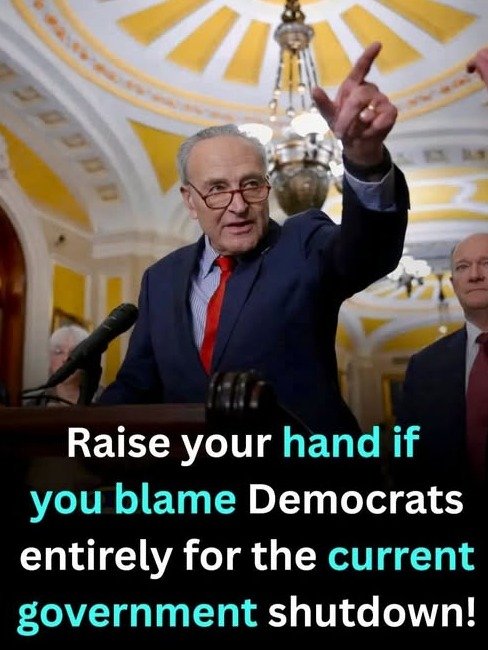
The headlines scream ‘government shutdown,’ but what does that really mean for everyday Americans? Beyond the political rhetoric and partisan squabbles lies a complex web of consequences that touch everything from national parks to your family’s financial stability. The current standoff is more than just a political debate; it’s a profound disruption with unseen ripple effects that demand our immediate attention.
As political leaders lock horns over budget allocations and policy disputes, the nation finds itself once again caught in the crosshairs of legislative gridlock. This recurring crisis ignites intense frustration across the United States, leaving millions wondering about the stability of essential services and the future of their communities. It’s a situation that begs for a deeper understanding, revealing the true cost of political brinkmanship.
Understanding the Anatomy of a Government Shutdown
A government shutdown occurs when Congress fails to pass appropriation bills or continuing resolutions to fund government operations for the upcoming fiscal year, or for a temporary period. Essentially, without approved funding, federal agencies deemed ‘non-essential’ must cease operations. This isn’t a minor inconvenience; it’s a massive, forced pause in the machinery of one of the world’s largest governments.
The root cause is almost always a disagreement over spending priorities or policy riders attached to budget legislation. One side demands concessions, the other refuses, and without a compromise by the deadline, the funding spigot is turned off. It’s a high-stakes game of chicken, with the American public often bearing the brunt of the collision.
A Troubling History: How Often Does This Happen?
Government shutdowns are not a new phenomenon in American politics. Over the past few decades, the nation has witnessed numerous instances where Congress and the President failed to reach a consensus on funding, leading to partial or full closures of federal agencies. Each shutdown carries its own unique political flavor, but the underlying mechanism remains consistent: a failure to agree on the nation’s purse strings.
Notable shutdowns, such as those in 1995-1996, 2013, and 2018-2019, have left lasting impressions, revealing the vulnerabilities of a system reliant on consistent political cooperation. These events serve as stark reminders of how quickly ideological divides can translate into tangible disruptions for millions of citizens and federal employees.
The Immediate Impact: Essential vs. Non-Essential Services
When a shutdown hits, the distinction between ‘essential’ and ‘non-essential’ services becomes critically important. Agencies providing services vital to national security, public safety, and life-sustaining functions typically continue to operate. This includes air traffic control, federal law enforcement, medical care for veterans, and border protection.
However, even these essential services often operate under immense strain, with employees working without immediate pay or under reduced staffing. Meanwhile, ‘non-essential’ services face immediate cessation. This can mean the closure of national parks and museums, delays in passport and visa processing, a halt to many scientific research projects, and significant slowdowns at agencies like the IRS.
The Human Cost: Federal Workers on the Front Lines
Perhaps the most immediate and personal impact of a government shutdown is felt by the hundreds of thousands of federal employees. Many are furloughed, meaning they are sent home without pay. Others, deemed essential, are forced to work without knowing when their next paycheck will arrive. This creates immense financial strain, forcing families to make impossible choices about rent, groceries, and medical bills.
“It’s not just a political game for us; it’s our livelihood. When a shutdown happens, the uncertainty is crushing. We still have bills to pay, kids to feed, and mortgages that don’t stop just because Washington can’t agree,” shared one furloughed federal worker during a past shutdown.
The morale among federal workers plummets during these periods. The stress, anxiety, and feeling of being pawns in a political game take a heavy toll, often leading to long-term impacts on recruitment and retention within the federal workforce. Their dedication to public service is often taken for granted in these high-stakes political battles.
Ripple Effects Across the Economy
The economic consequences of a government shutdown extend far beyond unpaid federal salaries. The immediate reduction in government spending and the uncertainty it creates can have a measurable impact on the broader economy. Consumer confidence can dip, as people become wary of potential economic instability.
- Reduced GDP Growth: Each week of a shutdown can shave billions off the nation’s Gross Domestic Product.
- Impact on Small Businesses: Businesses that rely on government contracts or federal employees as customers suffer significant losses.
- Tourism Decline: The closure of national parks and monuments can devastate local economies dependent on tourism.
- Delayed Investments: Uncertainty can cause businesses to delay investment and hiring decisions, further slowing economic activity.
The longer a shutdown persists, the deeper and more widespread these economic reverberations become. It sends a message of instability to international markets and can even affect the nation’s credit rating, increasing borrowing costs for everyone.
Political Fallout and Public Perception
Government shutdowns are a public relations nightmare for all parties involved. The blame game quickly escalates, with each side attempting to pin responsibility on the other. This often leads to a further erosion of public trust in government and political institutions.
The perception of political dysfunction can be damaging, making it harder for leaders to govern effectively even after a resolution is reached. Voters often grow disillusioned, feeling that their elected representatives are more interested in partisan squabbles than in serving the public good. This disillusionment can manifest in lower voter turnout and increased cynicism about the political process.
Navigating the Path to Resolution
Ultimately, every government shutdown eventually ends. The path to resolution typically involves intense negotiations, often behind closed doors, to find a compromise that both sides can accept. This might involve adjustments to spending levels, the removal of contentious policy riders, or a temporary funding measure to buy more time for a broader agreement.
The pressure from the public, media, and the mounting economic and human costs often serves as a powerful catalyst for leaders to find common ground. However, the process is rarely smooth, highlighting the deep ideological divides that often characterize modern American politics.
Beyond the Blame: Seeking Long-Term Solutions
The recurring nature of government shutdowns begs the question: are there better ways to manage budget disputes? Many experts and lawmakers have proposed reforms to the appropriations process, such as automatic continuing resolutions that kick in if a budget isn’t passed, or stricter rules to prevent the use of shutdowns as a negotiating tactic.
However, implementing such reforms requires the very bipartisan cooperation that is often lacking during budget impasses. Until fundamental changes are made, the specter of another government shutdown will likely continue to loom over Washington, leaving Americans to wonder when the next crisis will hit.
What Happens Next For You? Prepare for Uncertainty
For individuals, the most prudent approach during a shutdown is to stay informed and be prepared for potential disruptions. This could mean:
- Checking Agency Websites: Verify the operational status of any federal agency you plan to interact with (e.g., Social Security, IRS, passport services).
- Financial Planning: If you or someone you know is a federal employee, understanding furlough policies and exploring emergency financial resources is crucial.
- Community Support: Many communities organize support for furloughed federal workers, offering food banks or financial assistance.
The frustration expressed by many Americans during these times is entirely valid. A government shutdown is not merely a political inconvenience; it’s a profound disruption that highlights the urgent need for effective, cooperative governance. As the nation navigates these turbulent waters, the call for leaders to prioritize the well-being of their constituents over partisan battles grows louder than ever.
The future of essential services, the stability of our economy, and the morale of our dedicated federal workforce all hang in the balance. It’s a stark reminder that responsible leadership isn’t just about policy, but about ensuring the basic functions of government remain uninterrupted for the people it serves.
About the Author




