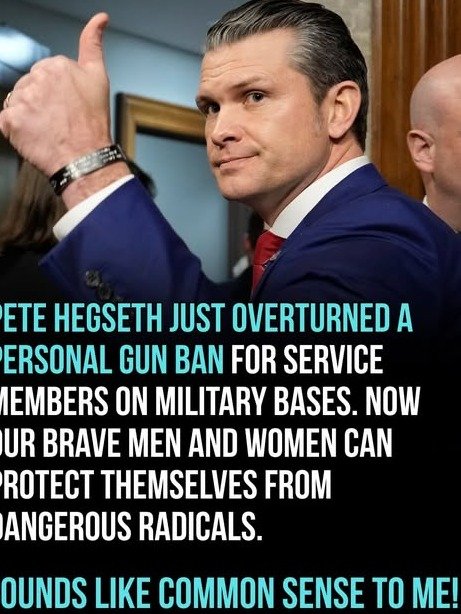
Imagine a world where your personal safety is entirely dependent on someone else. What if, in your moment of greatest need, the ability to protect yourself, your family, or your home was stripped away? This isn’t just a hypothetical scenario for many; it’s a fundamental question that cuts to the heart of what it means to be a free individual in a free society.
At the core of American liberty, enshrined in a document that has stood the test of time for centuries, lies a powerful, often debated, but undeniably crucial principle: the right to self-defense. It’s more than just a legal clause; it’s a philosophical cornerstone, a declaration of individual sovereignty that asserts every person’s inherent power to safeguard their own existence.
The Unspoken Truth: Why Self-Defense is a Human Right
Before we even delve into the specifics of constitutional law, let’s consider the universal human instinct to survive. From the dawn of time, every living creature has possessed an innate drive to protect itself from harm. For humans, this instinct transcends mere survival; it extends to the protection of our loved ones, our property, and our fundamental dignity.
This isn’t a right granted by governments; it’s a natural right, inherent to our very being. Governments, at their best, are meant to secure these pre-existing rights, not invent or revoke them. When we talk about the ability to defend ourselves, we are touching upon a concept far older and more profound than any legislative body.
A Look Back: The Constitution’s Original Intent
When the Founding Fathers drafted the U.S. Constitution, they were acutely aware of the dangers of unchecked governmental power. They had just fought a revolution against a tyrannical monarchy, and the memory of oppressive rule, including attempts to disarm the populace, was fresh in their minds. They understood that a free people needed the means to resist oppression, both foreign and domestic.
This deep-seated understanding gave birth to the Second Amendment, a mere 27 words that have sparked endless debate:
“A well regulated Militia, being necessary to the security of a free State, the right of the people to keep and bear Arms, shall not be infringed.”
While often contentious, the amendment’s purpose, when viewed through the lens of history, becomes remarkably clear. It wasn’t solely about hunting or sport; it was about ensuring the citizenry retained the ultimate power to protect itself and its liberty, serving as a critical check on potential government overreach.
Deconstructing the Second Amendment: Individual vs. Collective Right
For decades, legal scholars and activists have debated the precise meaning of the Second Amendment. Is it a collective right, pertaining only to organized militias, or an individual right, granting every citizen the ability to own firearms for personal use? Landmark Supreme Court cases have provided crucial clarity.
In District of Columbia v. Heller (2008), the Supreme Court affirmed that the Second Amendment protects an individual’s right to possess firearms for traditionally lawful purposes, such as self-defense in the home. This was a monumental decision, solidifying the individual right aspect of the amendment.
Later, in McDonald v. City of Chicago (2010), the Court extended this individual right to the states, meaning that state and local governments cannot infringe upon a citizen’s right to keep and bear arms for self-defense. These rulings underscore the fundamental nature of this right for every American.
Beyond Firearms: The Broader Scope of Self-Defense
While the Second Amendment specifically addresses “arms,” the principle of self-defense extends beyond just firearms. It encompasses any reasonable means necessary to protect oneself from imminent harm. This could include:
- Physical training: Martial arts, self-defense classes.
- Non-lethal tools: Pepper spray, tasers, personal alarms.
- Situational awareness: The ability to recognize and avoid threats before they escalate.
- Home security measures: Locks, alarms, cameras.
The core idea remains constant: every individual should have the agency and means to protect their life and well-being. The choice of how to defend oneself, within legal and reasonable bounds, should ultimately rest with the individual.
Why This Right is More Crucial Than Ever
In an increasingly complex and sometimes unpredictable world, the ability to defend oneself is not a luxury; it’s a necessity. While we rely on law enforcement, their response time can never be instantaneous. In those critical moments when danger strikes, you are often your own first, and only, line of defense.
Consider the statistics: police response times can vary widely, often taking minutes, not seconds. In a violent encounter, seconds can mean the difference between life and death. Empowering individuals with the means and knowledge to protect themselves fills this crucial gap, creating safer communities by deterring potential aggressors.
Furthermore, the right to self-defense serves as a psychological anchor. Knowing that you possess the capacity to protect yourself can instill a sense of confidence and security, reducing the feeling of vulnerability that criminals often seek to exploit. It’s about agency and empowerment in an unpredictable world.
The Responsibility That Comes With Freedom
With great rights come great responsibilities. The right to self-defense, particularly when it involves potentially lethal force, is not to be taken lightly. It demands a commitment to responsible ownership, proper training, and a clear understanding of the law.
Responsible gun ownership, for example, involves:
- Safety training: Learning how to handle, store, and operate firearms safely.
- Proficiency: Regular practice to maintain skill and accuracy.
- Legal knowledge: Understanding local and state laws regarding self-defense and firearm use.
- Secure storage: Keeping firearms locked and inaccessible to unauthorized individuals, especially children.
These responsibilities are not burdens; they are essential components of exercising a fundamental right wisely and effectively. They ensure that the power to defend oneself is wielded with discernment and care.
Addressing Common Misconceptions and Debates
The debate around self-defense and the Second Amendment is often fraught with emotion and misunderstanding. Some argue that more guns lead to more violence, while others contend that disarming law-abiding citizens only empowers criminals.
It’s important to distinguish between criminal misuse of weapons and the lawful exercise of a constitutional right. Focusing solely on the tool, rather than the perpetrator’s intent, often misses the point. The Constitution protects the right of the people to keep and bear arms, implicitly referring to law-abiding citizens, not those who would use them for illicit purposes.
The “well-regulated Militia” clause, too, is often misinterpreted. Historical context shows that “militia” referred to the general body of adult male citizens, not a select military unit. “Well-regulated” meant properly trained and equipped, emphasizing competence, not government control over individual ownership.
The Personal Impact: Empowerment and Peace of Mind
Beyond the legal and historical arguments, the ability to defend oneself has a profound personal impact. It empowers individuals, particularly those who might otherwise feel vulnerable, to take charge of their own safety. This sense of empowerment can translate into greater confidence in daily life.
Imagine the peace of mind that comes from knowing you have the means to protect yourself and your loved ones. This isn’t about seeking conflict; it’s about having the option to deter or neutralize a threat when all other avenues have failed. It’s about being prepared, not paranoid.
Ultimately, the right to self-defense is about valuing human life and liberty. It’s about recognizing that each individual is sovereign over their own person and has an inherent right to protect that sovereignty. It’s a testament to the idea that freedom includes the ability to live without fear, knowing you can stand your ground.
The question posed in our original thought — “It’s called the Constitution. And maybe these people should have the ability to defend themselves, right?” — isn’t just a rhetorical one. It’s a call to reflect on a fundamental truth embedded in our nation’s founding principles.
The right to self-defense is not a privilege to be granted or revoked by shifting political winds. It is an unalienable right, affirmed by the Constitution, and essential for the security of a free people. Understanding and cherishing this right, along with embracing the responsibilities it entails, is paramount for every citizen.
Let us never forget that true liberty flourishes when individuals are empowered to protect themselves, their families, and their freedoms. It’s not just a right; it’s a cornerstone of what makes us truly free.
About the Author




