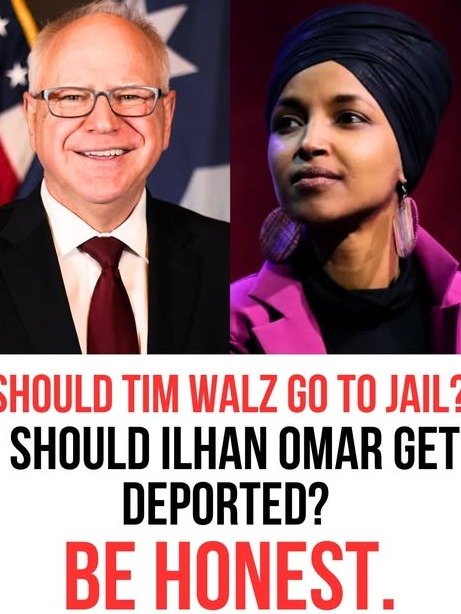
Imagine a quarter of a billion dollars, earmarked to feed hungry children, vanishing into thin air. This isn’t a plot from a Hollywood thriller; it’s the stark reality unfolding in Minnesota, where a massive fraud scandal has erupted, sending shockwaves through the state’s political landscape. The sheer scale of this deception is so immense, so audacious, that it has transformed from a criminal investigation into a full-blown political liability, threatening to redefine accountability at every level of government.
This isn’t just about money; it’s about a profound breach of trust, a betrayal of the most vulnerable, and a stark spotlight on systemic failures. Federal prosecutors are now leading an aggressive crackdown, unraveling a complex web of deceit that has implicated dozens of individuals and exposed critical weaknesses in oversight. The question on everyone’s mind isn’t just ‘who did it?’ but ‘how could this have happened, and who allowed it to go on for so long?’
The Unfolding Deception: A Scandal of Unprecedented Scale
At the heart of this scandal lies the alleged exploitation of federal child nutrition programs, designed to provide meals to low-income children. What started as whispers of impropriety has ballooned into one of the largest pandemic-related fraud cases in the nation. Millions upon millions of taxpayer dollars, intended for crucial services, were allegedly diverted through a sophisticated network of shell companies and fraudulent meal sites.
The numbers are truly staggering. Investigations have revealed an alleged scheme involving over $250 million in federal funds. Dozens of individuals have been indicted, facing charges ranging from wire fraud to money laundering. The scope of this alleged criminal enterprise is so vast that it has forced a reckoning, not just within the non-profit sector, but across state and federal agencies responsible for safeguarding public funds.
A Web of Deceit: How the Scheme Operated
The alleged fraudsters reportedly capitalized on the relaxed oversight implemented during the COVID-19 pandemic, when emergency measures were put in place to ensure children continued to receive meals. This created fertile ground for abuse. Organizations, purportedly operating meal distribution sites, allegedly submitted falsified invoices for millions of meals that were never served.
These schemes often involved creating shell companies, fabricating attendance records, and submitting fraudulent reimbursement claims. Funds were then allegedly laundered through various accounts, used to purchase luxury cars, real estate, and other personal assets, rather than nourishing hungry children. The audacity of the operation has left many aghast, highlighting a severe lapse in the mechanisms designed to prevent such widespread abuse.
The Political Fallout: Who Is to Blame?
As the federal dragnet continues to widen, the political ramifications for Minnesota are becoming increasingly severe. The scandal has quickly become a hot-button issue, with both state and federal officials facing intense scrutiny. Questions are being raised about the effectiveness of state agencies responsible for administering these federal programs, and whether they adequately responded to early warning signs.
Elected officials, from the Governor’s office down, are now under immense pressure to demonstrate accountability and implement robust reforms. The public is demanding answers: who knew what, and when? Why weren’t red flags acted upon more swiftly? This isn’t just a political headache; it’s a crisis of confidence that could have lasting impacts on public perception of government competence and integrity.
“This is more than just a criminal matter; it’s a profound political liability that demands immediate and transparent action from every level of government. The public deserves to know how such a colossal failure of oversight could occur.” – A concerned community leader.
Federal Intervention: The Hammer Drops
The involvement of federal prosecutors underscores the gravity of the situation. The FBI and other federal agencies have dedicated significant resources to unraveling the complex financial trails and bringing those responsible to justice. Federal charges carry severe penalties, including lengthy prison sentences, sending a clear message that such large-scale fraud will not be tolerated.
The federal investigation is meticulously piecing together the evidence, leading to a steady stream of indictments and plea agreements. This aggressive enforcement action is crucial not only for punishing the perpetrators but also for deterring future attempts to defraud vital public programs. It serves as a stark reminder that while state oversight might falter, federal authorities possess the resources and resolve to pursue justice.
Eroding Public Trust: A Crisis of Confidence
Perhaps the most damaging consequence of this scandal is the erosion of public trust. When funds intended for the most vulnerable are siphoned off for personal gain, it shatters faith in government programs and the non-profit sector alike. Legitimate organizations working tirelessly to serve communities now face increased skepticism and heightened scrutiny, making their crucial work even more challenging.
Citizens are left wondering if their tax dollars are truly reaching those in need or if they are simply lining the pockets of criminals. This disillusionment can have far-reaching effects, potentially leading to decreased support for public initiatives and a general cynicism towards charitable efforts. Rebuilding this trust will be a long and arduous journey, requiring transparency, decisive action, and demonstrable accountability.
Lessons Learned and the Path Forward
The Minnesota fraud scandal serves as a harsh lesson in the critical importance of robust oversight and accountability mechanisms. It highlights several key areas where improvements are desperately needed:
- Enhanced Auditing: Implementing more frequent, thorough, and independent audits of organizations receiving public funds.
- Strengthened Whistleblower Protections: Encouraging individuals to come forward with information about potential fraud without fear of retaliation.
- Improved Data Analytics: Utilizing advanced data analysis to identify suspicious patterns and anomalies in funding requests and reimbursements.
- Clearer Lines of Responsibility: Defining unambiguous roles and responsibilities for oversight at both state and federal levels.
- Faster Response to Red Flags: Establishing protocols for immediate investigation and intervention when potential fraud is identified.
The path forward for Minnesota will involve not only prosecuting those responsible but also a comprehensive overhaul of the systems that allowed such a massive betrayal to occur. This includes legislative reforms, policy changes, and a renewed commitment from all stakeholders to protect public funds and ensure they reach their intended beneficiaries.
Conclusion: The Imperative of Accountability
Minnesota’s fraud scandal is more than just a headline; it’s a profound challenge to the integrity of its governance and the trust of its citizens. The numbers and scope of this alleged deception are too vast to be dismissed, demanding a full and unwavering commitment to accountability. As federal prosecutors continue their work, the political landscape will undoubtedly shift, forcing leaders to confront uncomfortable truths and implement lasting change.
The ultimate test for Minnesota will be its ability to not only bring the perpetrators to justice but also to learn from this devastating experience, rebuild public trust, and ensure that such a catastrophic failure of oversight never happens again. The eyes of the nation are watching, waiting to see if true accountability will prevail in the face of such a monumental betrayal.
About the Author




