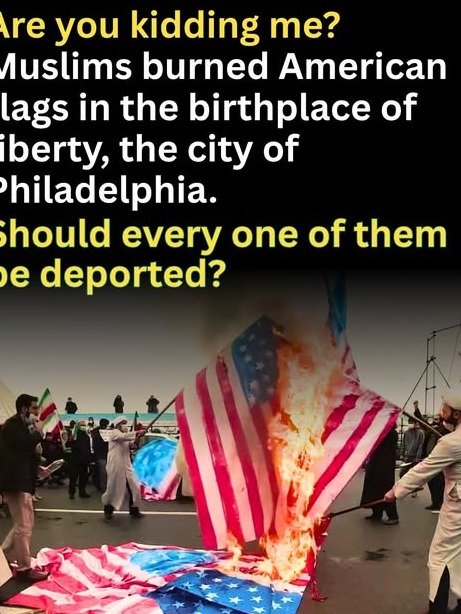
Imagine celebrating the birth of a nation, only for its most sacred symbol to go up in flames right before your eyes. This past Independence Day, a scene unfolded in the heart of Philadelphia that shocked the nation, transforming a day of patriotic celebration into a firestorm of controversy and outrage.
While families gathered for barbecues and fireworks, anti-Israel demonstrators outside City Hall engaged in an act that quickly went viral: the deliberate burning of American flags. This wasn’t merely a protest; it was a potent, visual declaration that ignited a fierce debate about patriotism, dissent, and the very meaning of the Fourth of July.
The Day Patriotism Met Protest: What Really Happened in Philly
On July 4, 2024, as the historic city of Philadelphia buzzed with Independence Day festivities, a group of anti-Israel protestors gathered outside the iconic City Hall. Their demonstration, aimed at drawing attention to the ongoing conflict in the Middle East and U.S. foreign policy, escalated dramatically when several American flags were set ablaze.
Eyewitnesses and viral videos captured the shocking moments as flames consumed the stars and stripes, just steps away from where the Declaration of Independence was signed. The act, carried out on a day meant to honor American liberty and unity, immediately sparked a wave of condemnation and disbelief across social media platforms and national news outlets.
A Symbol Under Fire: Why This Act Struck a Nerve
The burning of the American flag is an act with deep historical and emotional resonance. While legally protected as a form of free speech by the Supreme Court, it remains one of the most provocative ways to express dissent, often interpreted as an insult to military veterans, fallen heroes, and the nation itself. Doing so on July 4th, outside a landmark like Philadelphia’s City Hall, amplified its impact tenfold.
For many, the flag represents the sacrifices made for freedom and the ideals of the United States. Its desecration, particularly during a national holiday, felt like a direct assault on shared values and national identity, prompting a visceral reaction from people of all political persuasions.
The Roots of the Protest: Understanding the Anti-Israel Stance
The demonstration was organized by groups expressing solidarity with Palestinians and protesting Israeli actions in Gaza, often criticizing the U.S. government’s support for Israel. These protests have become increasingly common in major American cities, reflecting growing tensions and divisions surrounding the Israeli-Palestinian conflict.
Demonstrators voiced strong objections to what they perceive as an occupation and humanitarian crisis, using the July 4th platform to highlight their grievances against both Israeli policies and American foreign aid. They sought to leverage the visibility of the national holiday to amplify their message on a grander scale.
“We are here to show that there is no celebration of ‘independence’ when people abroad are suffering under occupation, often supported by our own government,” one protestor was quoted saying, though their identity remains unconfirmed. “Burning the flag is a symbol of our anger and rejection of policies that betray American values.”
Philadelphia’s Immediate Reaction: Outcry and Condemnation
The incident quickly drew widespread condemnation from Philadelphia officials and residents alike. Mayor Cherelle L. Parker issued a statement expressing profound disappointment and calling the act disrespectful to veterans and the nation.
- Mayor’s Office: Condemned the act as disrespectful and not representative of Philadelphia’s values.
- Local Law Enforcement: Monitored the situation, ensuring public safety while navigating free speech considerations.
- Community Leaders: Urged for calm and constructive dialogue, while also acknowledging the pain caused by the flag burning.
Many Philadelphians, proud of their city’s historical significance in the birth of the nation, expressed shame and anger that such an event would unfold on their streets on such a symbolic day. The contrast between the celebratory atmosphere and the incendiary protest was stark and unsettling.
National Firestorm: Media Coverage and Political Fallout
News of the flag burning spread like wildfire across national media, dominating headlines and social media feeds. Conservative news outlets highlighted the incident as an example of radical anti-American sentiment, while more liberal platforms debated the nuances of free speech versus symbolic offense.
Political figures from across the spectrum weighed in, with many condemning the act as an affront to national pride. Presidential hopefuls and incumbent politicians used the incident to underscore their stances on patriotism, foreign policy, and the right to protest, turning the local event into a national talking point.
The Debate: Free Speech vs. Desecration
The controversy inevitably reignited the perennial debate surrounding flag burning in the United States. The Supreme Court, in cases like Texas v. Johnson (1989), has affirmed that flag burning is a form of protected speech under the First Amendment.
However, this legal protection does not diminish the emotional impact or public outrage it often generates. Critics argue that while legally permissible, it is morally reprehensible and undermines the unity and respect owed to national symbols, especially those representing military service and sacrifice.
Proponents of flag burning as a form of protest emphasize that the ability to criticize one’s government, even through provocative means, is a cornerstone of American liberty. They argue that the flag’s true meaning lies in the freedoms it represents, including the freedom to express dissent against government actions.
Echoes of History: The Lingering Impact
The Philadelphia flag burning incident is not an isolated event in American history. From Vietnam War protests to civil rights demonstrations, the burning of the flag has periodically surfaced as a potent, albeit controversial, symbol of defiance and dissatisfaction.
Each instance sparks similar debates, highlighting the deep ideological divides within the country regarding patriotism, protest, and national identity. The July 4th incident in Philly will undoubtedly be remembered as another chapter in this ongoing, complex conversation.
What Does This Mean for America’s Future?
The viral outrage stemming from the Philadelphia flag burning serves as a stark reminder of the deep fissures within American society. It underscores the challenges of navigating diverse political views, especially when they intersect with deeply held cultural and national symbols.
As the nation grapples with complex global conflicts and domestic divisions, incidents like this force a reckoning with what it means to be an American, how dissent should be expressed, and where the boundaries of free speech truly lie. The fires outside City Hall may have been extinguished, but the flames of debate and controversy continue to burn brightly, leaving us all to ponder the true meaning of independence.
About the Author




