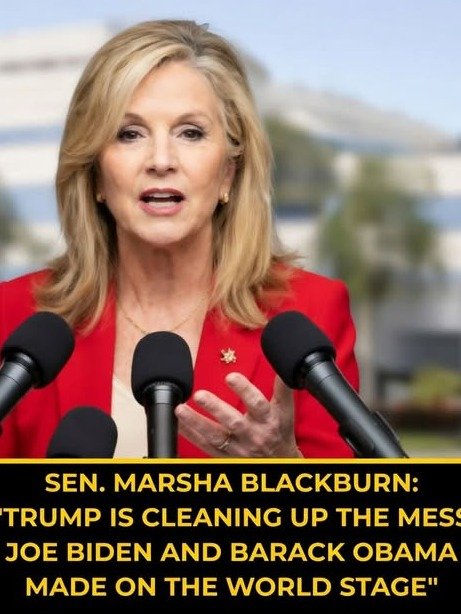
Imagine a world where global alliances crumble, trade wars ignite, and traditional diplomacy is turned on its head. This wasn’t a dystopian novel; it was the reality of the ‘America First’ foreign policy under Donald Trump. But was this radical shift a necessary reset for a nation adrift, or a dangerous gamble that jeopardized decades of global leadership? The debate continues to rage, dividing experts and citizens alike.
For four years, the world watched as the United States, under President Trump, consciously recalibrated its approach to international relations. The core tenet was simple: put America’s interests above all else. Yet, the implications of this philosophy were anything but simple, sparking a furious discussion about whether it truly bolstered the US or inadvertently set the stage for future challenges.
Understanding ‘America First’: A Paradigm Shift
At its heart, ‘America First’ represented a profound reorientation of US foreign policy, moving away from multilateralism and global leadership towards a more transactional, nationalist stance. President Trump articulated a vision where international agreements and alliances were scrutinized through the lens of direct American benefit, often prioritizing economic gains and national sovereignty over collective security or shared values.
This often translated into a skepticism of established international institutions, a preference for bilateral negotiations over multilateral ones, and a willingness to challenge long-standing allies on trade and defense spending. The underlying belief was that the US had been taken advantage of by other nations for too long, and it was time to reclaim its rightful, unburdened position on the global stage.
The ‘Restoration’ Argument: Bolstering US Power?
Proponents of ‘America First’ argue that the policy was a vital restoration, breathing new life into a US foreign policy they believed had become bloated, ineffective, and detrimental to domestic interests. They point to several key areas where they believe the approach strengthened the nation.
One major pillar of the ‘restoration’ argument centers on economic nationalism. By imposing tariffs and renegotiating trade deals like NAFTA (transforming it into USMCA), the administration aimed to protect American industries and jobs. The idea was that bringing manufacturing back home and ensuring fairer trade balances would directly bolster the US economy, making the nation stronger from within.
“We’re putting America first. It’s time. It’s been a long time coming. We are rebuilding our country, we are rebuilding our military, and we are making America great again.” – Donald Trump
Furthermore, supporters highlight the push for allies to contribute more to their own defense. Critiques of NATO members’ spending, for instance, were framed as an effort to ensure burden-sharing and prevent the US from shouldering an disproportionate amount of global security costs. This, they argued, freed up American resources and focused military might more strategically.
The ‘Reinterpretation’ Argument: A Risky Gamble?
Conversely, critics contend that ‘America First’ was not a restoration but a dangerous reinterpretation that risked undermining the very foundations of US global power and influence. They argue that the policy isolated the US, weakened its alliances, and ceded ground to rival powers, ultimately making the nation less secure and less prosperous.
The withdrawal from international agreements, such as the Paris Climate Accord and the Iran Nuclear Deal, was seen by many as a retreat from global responsibility and a blow to US credibility. These actions, critics argued, signaled to the world that the US could no longer be relied upon as a consistent partner in addressing shared global challenges.
Moreover, the transactional nature of diplomacy and the frequent public spats with traditional allies strained relationships that had been built over decades. This, some argued, eroded the trust and cooperation essential for global stability and left the US more vulnerable to complex international threats.
Key Policy Battlegrounds: Trade, Alliances, and Global Deals
The practical application of ‘America First’ played out across numerous policy arenas, each sparking intense debate:
- Trade Wars: Imposing tariffs on goods from China and European allies aimed to force concessions, but also led to retaliatory tariffs, impacting American consumers and businesses.
- NATO Scrutiny: Demands for increased defense spending from NATO members were a constant theme, creating friction but also prompting some allies to boost their military budgets.
- Climate Change: The withdrawal from the Paris Agreement was a symbolic rejection of multilateral climate action, drawing international condemnation and raising questions about US leadership on environmental issues.
- Iran Nuclear Deal: Pulling out of the JCPOA was touted as a move to secure a ‘better deal,’ but it complicated relations with European allies and escalated tensions in the Middle East.
- Middle East Realignment: The Abraham Accords, brokering peace deals between Israel and several Arab nations, were hailed as a significant diplomatic achievement, showcasing a new approach to regional stability.
Each of these actions, while rooted in the ‘America First’ philosophy, had vastly different interpretations regarding their ultimate impact on American strength and global standing. Were they shrewd maneuvers to protect national interests, or short-sighted decisions that alienated crucial partners?
Impact on the International Order and US Credibility
The ‘America First’ approach undeniably sent shockwaves through the established international order. For decades, the US had been the primary architect and guarantor of a rules-based global system, fostering alliances and promoting democratic values. Trump’s policy challenged this role directly, leading to a perception of American unpredictability.
Many international observers noted a vacuum in global leadership, with some suggesting that China and Russia were eager to fill the void. The emphasis on bilateralism over multilateralism also weakened forums designed for collective problem-solving, from the G7 to the World Health Organization.
The debate over US credibility became central. Could allies trust America to uphold its commitments? Would adversaries be deterred by a nation seen as increasingly inward-looking? These questions underscored the profound shift in how the US was perceived on the world stage, moving from a steady anchor to a more volatile force.
The Enduring Legacy and Future Implications
As the dust settles, the legacy of ‘America First’ remains hotly contested. Was it a necessary corrective, proving that a more self-interested foreign policy could yield tangible benefits for the American people? Or was it a costly experiment that damaged alliances, undermined democratic norms, and emboldened authoritarian regimes?
The answers likely lie in a complex blend of both, with different policies yielding different outcomes. What is clear, however, is that ‘America First’ forced a global conversation about the nature of US power, its responsibilities, and its place in an increasingly multipolar world. It challenged the status quo and compelled both allies and adversaries to rethink their strategies.
Looking ahead, the debate over ‘America First’ is far from over. Its principles continue to resonate with a significant portion of the American electorate, suggesting that this reinterpretation of foreign policy may not be a temporary blip but a lasting influence on how the United States engages with the rest of the world. The question of whether it truly makes America stronger, or simply more isolated, will continue to shape the geopolitical landscape for years to come.
About the Author




