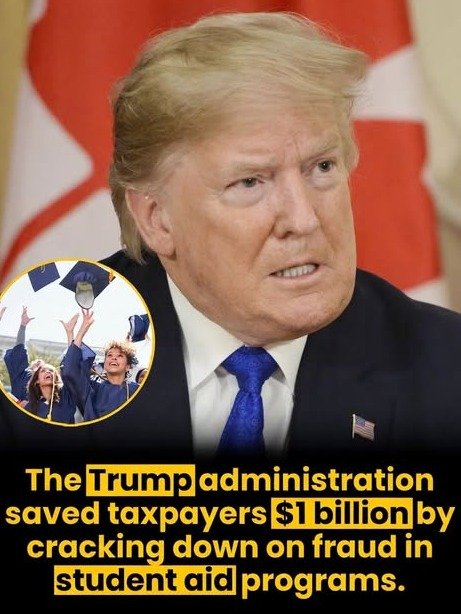
Imagine a world where every dollar intended for education actually reaches its target, directly benefiting students and strengthening our learning institutions. On April 2, 2026, the Department of Education made a monumental announcement, revealing they’ve clawed back over $1 billion by relentlessly targeting fraud and waste within its vast operations. This isn’t just a number; it’s a game-changer that signals a new era of accountability and efficiency for students, educators, and taxpayers across the nation.
This unprecedented achievement wasn’t an overnight success. It represents years of strategic planning, technological investment, and a steadfast commitment to fiscal integrity. For too long, federal education funds have been vulnerable to various forms of exploitation, diverting critical resources away from their intended purpose. Now, the tide is turning, and the implications for the future of education are profound.
The Staggering Cost of Inefficiency: Why $1 Billion Matters
The Department of Education manages an immense budget, overseeing everything from student financial aid to research grants and institutional support. With such a vast scope, the potential for fraud, waste, and abuse has always been a significant challenge. Billions of dollars annually flow through complex systems, making robust oversight absolutely critical.
Historically, even a small percentage of inefficiency or malfeasance can translate into hundreds of millions, if not billions, of lost funds. These are resources that could otherwise support struggling students, innovate teaching methods, or upgrade outdated school infrastructure. The $1 billion recovery isn’t merely a financial triumph; it’s a profound reinvestment into the very fabric of American education.
Unmasking the Enemy: The Many Faces of Fraud
Combating fraud within a system as intricate as federal education funding requires a multi-pronged approach. The Department of Education identified several key areas where fraudulent activities were most prevalent and systematically developed measures to counteract them. These efforts targeted sophisticated schemes as well as widespread abuses.
- Student Aid Fraud: This category often involved identity theft, misrepresentation of financial need, or enrollment in ineligible programs to illicitly obtain federal grants and loans. Sophisticated rings would sometimes exploit vulnerabilities in application processes.
- Contractor and Vendor Fraud: From inflated invoices for services never rendered to kickback schemes and procurement irregularities, contractors attempting to defraud the Department were a significant focus. This included technology providers, educational program developers, and facility management services.
- Institutional Misconduct: Some educational institutions engaged in deceptive practices, such as misrepresenting accreditation status, inflating job placement rates, or enrolling
About the Author




