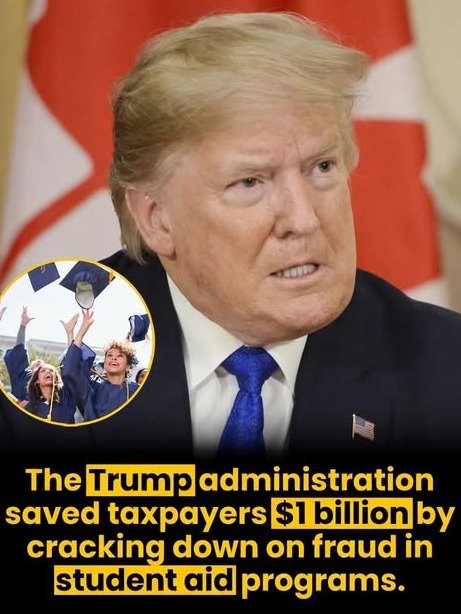
Imagine a world where government agencies operate with unprecedented efficiency, safeguarding every taxpayer dollar. On April 2, 2026, the Department of Education made a groundbreaking announcement that turned this vision into a tangible reality. They revealed a staggering achievement: over $1 billion in cost savings, secured through an aggressive and innovative crackdown on fraud, waste, and abuse.
This isn’t just a number; it’s a testament to a strategic overhaul designed to protect critical educational resources and ensure they reach the students and institutions who need them most. But how exactly did they accomplish such a monumental feat? And what does this mean for the future of education funding and government accountability?
The Billion-Dollar Breakthrough: A New Era of Accountability
For too long, the specter of waste and fraud has loomed over public institutions, eroding trust and diverting vital funds from their intended purpose. The Department of Education’s recent success marks a significant turning point, demonstrating that with focused effort and advanced strategies, substantial improvements in financial integrity are not just possible but achievable.
This landmark announcement on April 2, 2026, wasn’t the result of a single, isolated action. Instead, it was the culmination of a comprehensive, multi-pronged initiative launched to identify and eliminate inefficiencies across various departmental operations. The commitment to fiscal responsibility has clearly paid off, setting a powerful precedent for other government sectors.
Targeting the Root Causes: Where the Savings Came From
Achieving over a billion dollars in savings required a deep dive into the mechanisms through which fraud and waste typically manifest within the educational system. The Department meticulously analyzed areas ranging from student financial aid programs to federal grants and contracts, identifying vulnerabilities and implementing robust countermeasures.
Key areas targeted for improvement included:
- Student Aid Programs: Cracking down on fraudulent applications, ineligible recipients, and misuse of federal student loans and grants.
- Federal Grants and Contracts: Enhancing oversight to prevent inflated costs, unnecessary expenditures, and improper allocation of funds in grants awarded to states, districts, and research institutions.
- Administrative Overheads: Streamlining internal processes, renegotiating vendor contracts, and optimizing operational expenditures within the Department itself.
- Technology and Data Misuse: Addressing vulnerabilities related to data breaches, cyber fraud, and inefficient technology procurement.
Each of these areas represented a significant potential leak in the system, and by plugging these holes, the Department was able to recover and reallocate substantial sums.
Innovative Strategies That Delivered Results
The Department of Education didn’t just rely on traditional auditing methods. Their success stems from the adoption of cutting-edge technologies and collaborative approaches that created a formidable defense against financial malfeasance. This proactive stance allowed them to identify and intercept fraudulent activities before they could cause significant damage.
Among the most impactful strategies implemented were:
- Advanced Data Analytics and AI: Utilizing sophisticated algorithms to detect patterns indicative of fraud, flag suspicious transactions, and identify high-risk areas for further investigation. This moved beyond reactive investigations to proactive prevention.
- Enhanced Inter-Agency Collaboration: Working closely with other federal agencies, state departments, and law enforcement to share intelligence and coordinate efforts, creating a broader net to catch fraudsters.
- Stricter Oversight and Compliance Frameworks: Implementing more rigorous review processes for grant applications, contract awards, and financial aid disbursements, coupled with clearer guidelines and penalties for non-compliance.
- Whistleblower Protection Programs: Encouraging individuals to report suspected fraud or waste without fear of retaliation, thereby uncovering issues that might otherwise remain hidden.
- Public Awareness Campaigns: Educating students, institutions, and the public about the importance of financial integrity and the consequences of fraud, fostering a culture of accountability.
These measures collectively created a more resilient and transparent system, making it significantly harder for bad actors to exploit the system for personal gain.
About the Author




