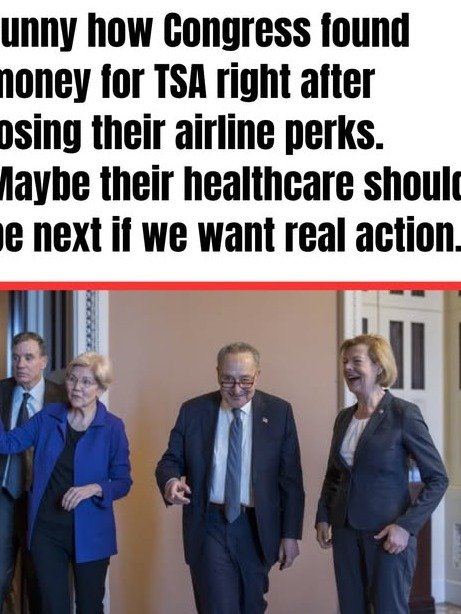
Imagine a world where the very people responsible for governing our nation suddenly lose access to the ‘VIP treatment’ they’ve grown accustomed to. This isn’t a scene from a political drama; it was the reported reality during a recent government funding standoff. As gridlock gripped Washington, D.C., a surprising development emerged from the commercial airline industry: reports suggested airlines began pulling back certain exclusive perks for members of Congress.
This move wasn’t just a minor inconvenience for politicians; it became a powerful symbol, sparking widespread public discussion. The incident starkly highlighted the contentious battle between the ‘perks’ enjoyed by public officials and the urgent ‘priorities’ of the nation, especially when critical government functions hung in the balance. It was a moment that forced many to question who truly bears the brunt of political inaction.
When Washington Stalls: The Reality of Funding Fights
Government funding fights are not new to the American political landscape. These high-stakes negotiations occur when Congress fails to pass appropriations bills or continuing resolutions by a specific deadline, often leading to a government shutdown. The consequences are far-reaching, impacting everything from national parks closing to federal employees being furloughed or working without pay.
Such impasses create immense uncertainty and financial strain for millions of Americans who rely on government services or are directly employed by federal agencies. Essential services might continue, but many non-essential operations halt, causing significant disruption across the country. The economic ripple effects can be substantial, affecting businesses and consumer confidence.
Airlines Take a Stand: The Perk Purge
Amidst the tension of a looming or active government shutdown, reports surfaced detailing how major airlines reportedly began to re-evaluate the special privileges extended to members of Congress. These weren’t mere courtesies; they often included substantial benefits designed to ease travel for busy legislators. The alleged rollback of these perks quickly became a viral talking point, capturing the attention of a frustrated public.
While the specifics varied by airline and the exact nature of the funding dispute, the core message was clear: the usual red-carpet treatment might be temporarily suspended. This meant that complimentary upgrades to first class, exclusive access to airport lounges, priority boarding, and highly flexible ticket change policies, often enjoyed by elected officials, were reportedly either revoked or significantly curtailed.
The ‘Perks vs. Priorities’ Showdown
The timing of this alleged action by airlines was particularly poignant. As federal employees faced the prospect of delayed paychecks or unpaid leave, and vital government services teetered on the brink, the optics of politicians still enjoying luxurious travel perks seemed increasingly out of touch. The public reaction was swift and largely supportive of the airlines’ reported stance.
“It’s about time someone made them feel the pinch,” one commentator wrote on social media, echoing a sentiment of frustration felt by many citizens. “While federal workers wonder how they’ll pay rent, Congress shouldn’t be flying first class.” This quote encapsulates the widespread public sentiment of disconnect and unfairness.
This incident ignited a broader debate about the ethical implications of congressional perks, particularly during periods of national crisis. Are these benefits truly necessary for the functioning of government, or do they create an insulated bubble that distances politicians from the realities faced by their constituents?
Behind the Decision: Why Airlines Acted
Why would airlines, typically keen on maintaining good relations with influential figures, make such a move? Several factors could have been at play. One possibility is a pragmatic business decision: if government operations are disrupted, there could be delays in payments for official travel, making it riskier to offer premium services without guaranteed revenue.
Another significant driver could have been public relations. By reportedly scaling back perks, airlines could position themselves as being in touch with public sentiment, demonstrating a form of corporate accountability. In an era where public perception is paramount, aligning with the frustration of the average citizen can yield significant goodwill, even if the direct financial impact on the airlines was minimal.
The Weight of Privilege: An Ethical Quandary
The concept of congressional perks extends beyond just airline travel. Members of Congress often receive a range of benefits designed to support their work and ease the demands of public service. These can include generous salaries, healthcare plans, pension benefits, and various allowances for staff and office expenses. While some of these are essential for attracting and retaining qualified individuals, others often face scrutiny.
The debate isn’t about whether politicians should be compensated fairly for their demanding roles. Instead, it questions the extent of these privileges and their visibility during times of national hardship. When the very fabric of government is strained, the contrast between the comfort of elected officials and the anxieties of ordinary citizens becomes glaringly apparent.
- Free Upgrades: Often seen as a symbol of status, these allow politicians to travel in premium cabins.
- Lounge Access: Provides a quiet, comfortable space away from the general public, complete with amenities.
- Flexible Tickets: Allows for easy changes or cancellations, crucial for unpredictable political schedules, but often at a cost to the airline.
- Priority Services: Expedited boarding and security lines minimize wait times.
Each of these perks, while seemingly minor in isolation, collectively contributes to an experience of travel that is vastly different from that of the average American traveler. The reported decision by airlines to temporarily suspend these benefits served as a potent, if symbolic, equalizer.
A Precedent or a Blip?
Could this incident set a new precedent for how corporations interact with politicians during times of governmental dysfunction? It’s a powerful reminder that public pressure and corporate responsibility can intersect in unexpected ways. While unlikely to fundamentally alter the system of congressional perks, it certainly sent a strong message.
The episode underscored the growing expectation from the public that their elected representatives should not be insulated from the consequences of their actions, or inactions. It highlighted the power of collective public sentiment to influence corporate decisions, even those involving powerful political figures. This event may serve as a cautionary tale for future political standoffs.
Why This Matters to Every Citizen
You might wonder why a story about politicians losing airline perks should matter to you. The answer lies in the fundamental principle of accountability. When public officials operate within a system of extensive privileges, there’s a risk of detachment from the everyday struggles of the people they represent. This incident, though focused on travel, is a microcosm of a larger issue.
It serves as a vivid illustration of the ‘perks vs. priorities’ dilemma. Are our leaders focused on the immediate needs and well-being of the nation, or are they more concerned with maintaining their own comforts and political positions? The reported airline action forced this question into the public consciousness, demanding a conversation about fairness, responsibility, and the true cost of political gridlock.
The Enduring Message
The saga of airlines reportedly pulling back perks for members of Congress during a government funding fight is more than just a news item; it’s a parable for our times. It’s a powerful reminder that in moments of national crisis, the perceived distance between those in power and the citizens they serve can become uncomfortably clear. It underscores the importance of transparency, accountability, and a shared sense of responsibility.
Ultimately, this incident prompts us all to consider what truly constitutes a ‘priority’ in governance, and whether the ‘perks’ of office inadvertently create barriers to effective and empathetic leadership. It’s a call for greater alignment between the experiences of our leaders and the realities faced by the populace, ensuring that the focus remains firmly on the nation’s well-being, not just on individual privileges.
About the Author




