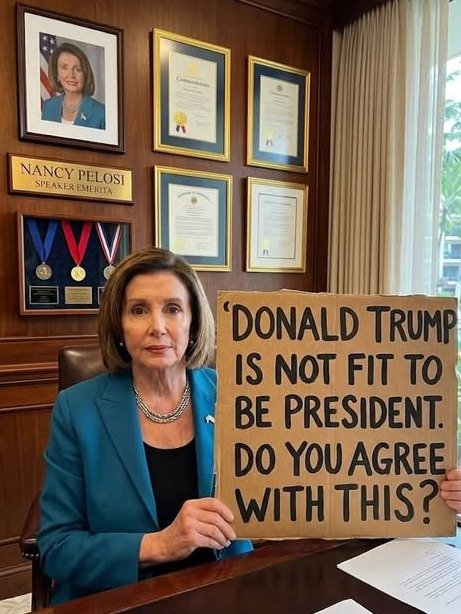
In an age where information spreads at lightning speed, the line between fact and fiction often blurs, giving rise to narratives so outlandish they seem plucked from a dystopian novel. We’ve all seen them: headlines designed to shock, provoke, and divide, often targeting public figures with accusations that defy belief. But what drives these viral storms, and what impact do they truly have on our society?
From the darkest corners of the internet to the mainstream social feeds, a new form of political discourse is taking hold—one fueled by sensationalism, emotional manipulation, and a startling disregard for verified facts. These narratives, often presented as hidden truths, create an alternate reality that can be incredibly difficult to navigate for the average citizen.
The Anatomy of a Viral Conspiracy
Why do certain extreme claims gain traction, even when utterly baseless? The answer lies in a complex interplay of human psychology and digital algorithms. Conspiracy theories, particularly those involving powerful figures and shocking allegations, tap into deep-seated fears and anxieties. They offer simple explanations for complex problems, creating a sense of understanding and control in an unpredictable world.
These narratives are meticulously crafted, often employing emotionally charged language and vague allusions rather than concrete evidence. They thrive in echo chambers, where like-minded individuals reinforce each other’s beliefs, making it incredibly difficult for factual counter-arguments to penetrate. The more outrageous the claim, the more it stands out in a crowded information landscape, increasing its shareability.
The Real-World Impact of Digital Lies
While some might dismiss these extreme claims as harmless online chatter, their real-world consequences are profound and far-reaching. The constant bombardment of misinformation erodes public trust not only in institutions and leaders but also in the very concept of objective truth. When facts become subjective, a society struggles to address collective challenges.
Political polarization intensifies as people retreat into their ideological bubbles, viewing those with differing opinions not just as opponents, but as enemies. This environment can foster hostility, incite violence, and even undermine democratic processes. Public figures, regardless of their political stripe, become targets of relentless and often dangerous vilification, impacting their safety and ability to govern effectively.
Decoding the Tactics: How Misinformation Spreads
Understanding the mechanisms behind viral misinformation is crucial for combating its spread. These tactics often include:
- Emotional Appeal: Stories designed to evoke strong feelings like fear, anger, or outrage are far more likely to be shared quickly than factual, nuanced reports.
- Confirmation Bias: People are more likely to believe and share information that confirms their existing beliefs, even if it’s false.
- Decontextualization: Genuine images, videos, or quotes are often stripped of their original context and repurposed to support a false narrative.
- Fabricated Evidence: Entirely fake documents, screenshots, or ‘expert’ testimonies are created to lend credibility to baseless claims.
- Repetition: The more often a claim is repeated, regardless of its truthfulness, the more likely people are to perceive it as credible.
Social media platforms, with their emphasis on rapid sharing and engagement, inadvertently become super-spreaders for these tactics. An inflammatory headline, no matter how untrue, can travel across the globe in minutes, reaching millions before any fact-checking organization can even begin to debunk it.
Navigating the Information Storm: A Call for Critical Thinking
In this turbulent information environment, critical thinking is our most powerful defense. It’s no longer enough to passively consume news; we must actively engage with it, question its sources, and evaluate its claims. Here are some actionable steps:
“The truth is not always popular, but it is always true.” – Unknown
- Source Verification: Always check the source of information. Is it a reputable news organization? Is it a known partisan blog? Is it an anonymous social media account?
- Fact-Checking: Utilize independent fact-checking websites (e.g., Snopes, PolitiFact, FactCheck.org) to verify suspicious claims.
- Read Beyond the Headline: Headlines are often designed to be provocative. Read the full article to understand the context and details.
- Look for Bias: Be aware of your own biases and how they might influence what information you choose to believe or share.
- Consult Multiple Sources: Don’t rely on a single source for important information. Compare reporting from various reputable outlets.
Becoming media literate is not just about avoiding fake news; it’s about developing the discernment to understand the motivations behind different narratives and to recognize when you’re being manipulated. It’s an ongoing process that requires vigilance and a commitment to truth.
Beyond the Headlines: Rebuilding Trust in a Divided World
The proliferation of extreme rhetoric and conspiracy theories poses a significant challenge to the health of our democracies and the fabric of our societies. Reversing this trend requires a concerted effort from individuals, media organizations, educators, and technology platforms. We must prioritize media literacy education from a young age, empowering future generations with the tools to navigate a complex digital world.
Ultimately, fostering a healthier information ecosystem means cultivating a culture of respect, empathy, and reasoned discourse. It means valuing truth over sensationalism, and being willing to engage with diverse perspectives, even when they challenge our own. Only then can we hope to move beyond the divisive headlines and work towards solutions that benefit everyone.
The battle for truth is ongoing, and it demands our active participation. By becoming more informed and responsible consumers and sharers of information, we can collectively push back against the tide of misinformation and help restore integrity to our public conversations.
About the Author




