Imagine waking up to find your national park closed, your passport application delayed indefinitely, or your small business loan frozen. For millions of Americans, this isn’t a hypothetical scenario—it’s the harsh reality of a government shutdown. Once again, the United States finds itself gripped by intense political debate, as essential services hang in the balance and the daily lives of ordinary citizens are thrown into disarray.
The frustration is palpable, echoing through homes and workplaces across the nation. Beyond the headlines and political rhetoric, a government shutdown inflicts tangible, often severe, consequences on federal employees, businesses, and the public alike. It’s a crisis that transcends partisan lines, touching every corner of American society.
The Looming Shadow: What Exactly Is a Government Shutdown?
At its core, a government shutdown occurs when Congress fails to pass appropriations bills—legislation that funds federal government operations—for the upcoming fiscal year, or when the President refuses to sign them. Without legal authority to spend money, federal agencies must cease all “non-essential” operations. This isn’t a simple pause; it’s a forced cessation of critical functions.
The distinction between “essential” and “non-essential” services is often a point of contention and can vary depending on the specific legislation and agency interpretation. Generally, functions related to national security, public safety, and statutory obligations (like Social Security payments) continue, but with reduced staff and significant operational limitations. Everything else grinds to a halt, creating a domino effect of disruption.
A Recurring Nightmare: A History of Standoffs
While the current situation feels acutely pressing, government shutdowns are not a new phenomenon in American politics. The U.S. has experienced numerous shutdowns throughout its history, particularly since the 1970s. These events often stem from deep ideological divisions or high-stakes political maneuvering over budget priorities, spending limits, or specific policy riders.
Notable past shutdowns include the 1995-96 standoff under President Clinton, the 2013 shutdown during the Obama administration over the Affordable Care Act, and the record-setting 35-day shutdown in 2018-19 over border wall funding. Each instance left its own scar on the nation, highlighting the fragility of political consensus and the real-world costs of legislative gridlock.
“Government shutdowns are a self-inflicted wound, damaging our economy, undermining public trust, and putting the livelihoods of countless Americans at risk,” remarked one political analyst during a recent news segment. “It’s a failure of leadership, plain and simple.”
Beyond the Headlines: Unpacking the Root Causes
Why do these shutdowns keep happening? The reasons are complex and multifaceted. Often, they are the culmination of deep ideological divides between the two major political parties regarding the size and scope of government, tax policy, or specific spending programs. When these disagreements reach an impasse, the budget process—which requires bipartisan cooperation—can collapse.
Partisan polarization also plays a significant role. In an increasingly fractured political landscape, compromise can be viewed as a weakness rather than a necessity. Lawmakers may prioritize satisfying their base or scoring political points over reaching a consensus that serves the broader national interest. This can lead to brinkmanship, where one side refuses to budge, pushing the government to the edge of—or into—a shutdown.
Furthermore, the use of the budget process as a leverage point for policy debates unrelated to spending has become more common. For example, a party might attach a controversial policy amendment to an appropriations bill, knowing it will be rejected by the other side, thus triggering a funding crisis. This strategy often weaponizes the government’s essential functions to achieve specific legislative goals.
The Unseen Victims: The Human Cost on Federal Workers
Perhaps the most immediate and personal impact of a government shutdown falls upon the hundreds of thousands of federal employees and their families. Many are either furloughed—sent home without pay—or deemed “essential” and forced to work without immediate compensation. The financial strain can be devastating, leading to missed mortgage payments, depleted savings, and immense emotional stress.
Imagine going to work every day, knowing your paycheck might not arrive, or being told to stay home indefinitely with no income. This uncertainty takes a profound toll on mental health and family stability. Federal workers, who dedicate their careers to public service, are often caught in the crossfire of political battles far beyond their control, facing a crisis of their own making.
Beyond the immediate financial hardship, morale plummets. The perception that their work is not valued, or that they are mere pawns in a political game, can lead to a decline in productivity and, in the long term, make it harder for the government to attract and retain talented individuals. The erosion of trust between employees and their employer—the U.S. government—is a silent but significant casualty.
When “Essential” Services Grind to a Halt: Impact on Everyday Americans
While some services are deemed essential, a shutdown inevitably impacts countless aspects of daily life for ordinary Americans. The definition of “essential” often leaves critical functions severely understaffed or delayed. Here’s how it can hit home:
- National Parks and Museums: Many national parks close or operate with minimal staff, affecting tourism, local economies, and public access to natural treasures. Smithsonian museums and other cultural institutions may also shut their doors.
- Passport and Visa Processing: While some critical operations may continue, routine processing of passports and visas can slow down significantly, causing headaches for international travelers and businesses.
- IRS Operations: Tax refund processing can be delayed, and taxpayer assistance lines may be unstaffed, creating major issues for individuals and businesses trying to comply with tax laws or receive due refunds.
- Food Safety and Environmental Protections: Inspections by agencies like the FDA and EPA may be reduced or halted, potentially compromising food safety, drug approvals, and environmental monitoring.
- Small Business Loans: Processing of federal loans and grants, including those from the Small Business Administration (SBA), can be suspended, stifling economic growth and putting aspiring entrepreneurs in limbo.
- Scientific Research: Federally funded research projects across various agencies (like NIH, NASA) can be paused, leading to delays in crucial scientific advancements and medical breakthroughs.
- Veterans’ Services: While direct benefit payments usually continue, other services like claim processing, educational assistance, and mental health support can experience significant backlogs and disruptions, impacting those who have served our nation.
The cumulative effect of these disruptions is a sense of instability and inefficiency, undermining public confidence in the government’s ability to function and serve its citizens effectively.
Economic Ripple Effects: The Cost to Our Nation’s Wallet
The economic fallout from a government shutdown extends far beyond the missed paychecks of federal workers. Each day of a shutdown translates into a quantifiable loss for the national economy. Gross Domestic Product (GDP) takes a hit as federal spending ceases and consumer confidence wanes.
Businesses that rely on government contracts, permits, or regulatory approvals face uncertainty and delays, potentially leading to layoffs or reduced investments. The travel and tourism industry, particularly around national parks and monuments, suffers significant losses. Financial markets can react negatively to the instability, leading to decreased investment and increased volatility.
The cumulative cost of past shutdowns has been in the billions of dollars, not just in lost productivity but also in the long-term damage to economic momentum and investor confidence. This is money that could have been invested in infrastructure, education, or other vital programs, instead lost to political deadlock.
Compromised Security, Tarnished Image: Global Repercussions
Beyond domestic impacts, a government shutdown can have serious implications for national security and America’s standing on the global stage. While military personnel and essential intelligence operations generally continue, the lack of full funding can still create vulnerabilities.
For instance, delays in intelligence analysis, cybersecurity initiatives, or critical defense procurement can weaken the nation’s ability to respond to emerging threats. Furthermore, the perception of a dysfunctional government can embolden adversaries and erode the confidence of allies, making diplomatic efforts more challenging.
A shutdown projects an image of instability and internal division to the rest of the world. It suggests that the U.S. government is unable to manage its most basic functions, potentially undermining its credibility as a reliable global leader and partner. This reputational damage, though intangible, can have lasting strategic consequences.
The Political Blame Game: Who Really Wins?
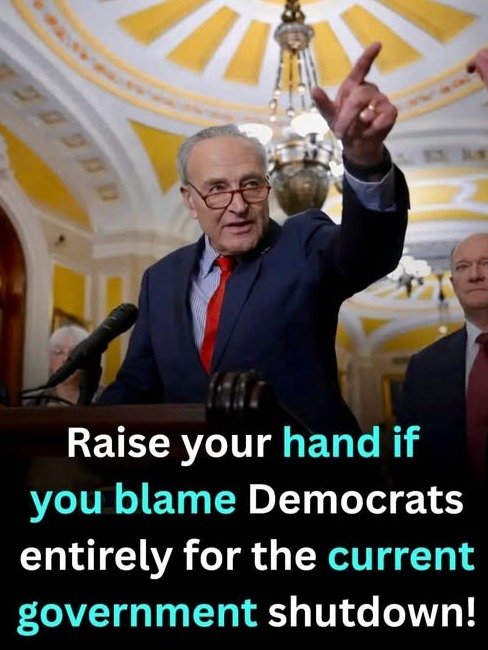
In the immediate aftermath of a shutdown, the political focus often shifts to assigning blame. Both parties typically engage in a fierce public relations battle, each attempting to paint the other as responsible for the crisis. This blame game, while central to political strategy, often obscures the real human and economic costs.
Public opinion can be volatile, shifting depending on the duration of the shutdown and the perceived reasons behind it. Historically, the party seen as initiating or prolonging the shutdown often pays a political price, but this is not always predictable. The political calculus can be complex, with different factions within each party holding differing views on the utility of a shutdown as a negotiating tactic.
Ultimately, while one side might claim a “victory” in a negotiation that ends a shutdown, the broader political system, and the American public, often emerge as the true losers. The repeated use of shutdowns as a political tool erodes trust in government and fuels cynicism about the ability of elected officials to govern effectively.
Breaking the Cycle: Finding a Path Forward
Given the recurring nature and severe consequences of government shutdowns, many are asking: Is there a better way? Preventing future shutdowns requires a fundamental shift in political culture and potentially, procedural reforms.
One proposed solution is to implement automatic continuing resolutions, which would temporarily fund the government at current levels if new appropriations aren’t passed by the deadline. This would remove the immediate threat of a shutdown, forcing lawmakers to negotiate without holding the entire government hostage. Another approach involves fostering greater bipartisan cooperation and a renewed commitment to compromise over partisan purity.
Ultimately, the responsibility lies with elected officials to prioritize the welfare of the nation over narrow political interests. The American public also plays a crucial role by demanding accountability and advocating for reforms that ensure the government remains open and functional, even amidst political disagreements.
The Urgency of Resolution: Moving Beyond Gridlock
The ongoing government shutdown is more than just a political squabble; it’s a profound disruption to the lives of millions and a significant drag on the nation’s progress. From the dedicated federal employee working without pay to the small business owner awaiting a vital loan, the impacts are real, immediate, and often devastating. It underscores a critical failure in the legislative process and a deep-seated challenge in American governance.
As the debate rages on, it’s imperative that we look beyond the political rhetoric and recognize the tangible harm being inflicted. The call for resolution is not just a plea for political peace; it’s a demand for stability, functionality, and a government that truly serves its people. The question isn’t just when the shutdown will end, but what lessons will finally be learned to prevent this recurring nightmare from happening again.
About the Author




