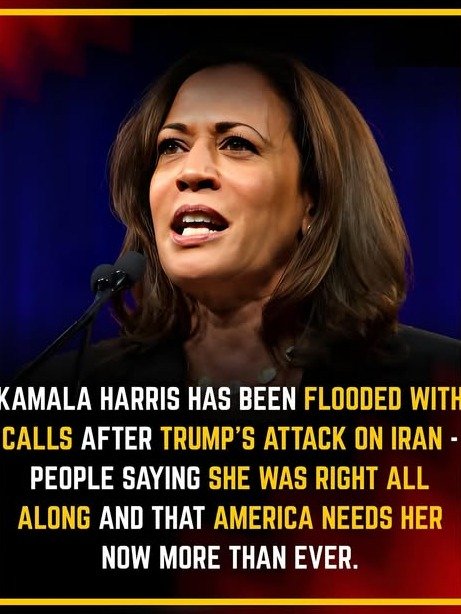
Have you ever stopped to consider how deeply the public presentation of a political figure shapes your perception, and ultimately, your vote? In the current political landscape, two prominent figures offer a stark, almost theatrical, contrast in their approaches to winning over the American public.
Donald Trump, a master of political showmanship, has consistently anchored his public identity around a powerful, resonant theme: ‘national priorities.’ This isn’t just a slogan; it’s a meticulously crafted narrative designed to tap into a specific segment of the electorate, promising a return to a perceived golden era of American strength and self-reliance.
On the other side of the political spectrum, Kamala Harris presents a different, often more measured, public persona. While Trump leans into bold, declarative statements and large rallies, Harris frequently adopts a strategy that, to some, appears as a more ‘strategic’ or nuanced focus on policy intricacies rather than broad, sweeping declarations.
Trump’s ‘America First’ Blueprint: Direct, Bold, Unapologetic
Donald Trump’s public strategy is anything but subtle. His emphasis on ‘national priorities’ is a direct appeal to voters who feel overlooked or believe the nation’s focus has strayed from its core interests. He champions a vision where American economic prosperity, border security, and global standing are paramount, often framed as a restoration of past greatness.
This narrative is delivered with an unwavering confidence that resonates deeply with his base. He speaks in strong, definitive terms, cutting through what he often characterizes as bureaucratic red tape or political correctness. His rallies are not just campaign events; they are theatrical productions reinforcing a clear, consistent message.
“We put America First. We secure our borders, we rebuild our industries, and we restore our standing on the world stage. It’s about our nation, our people, our priorities.”
Key themes consistently highlighted in Trump’s discourse include:
- Economic Nationalism: Prioritizing American jobs and industries, often through tariffs and protectionist policies.
- Border Security: Advocating for stringent measures, including physical barriers and increased enforcement, to control immigration.
- Energy Independence: Promoting domestic oil and gas production to reduce reliance on foreign sources.
- ‘Law and Order’: Emphasizing strong governance and public safety, particularly in urban areas.
These priorities are not merely talking points; they form the bedrock of his political identity, designed to create a clear, unmistakable contrast with what he portrays as the establishment’s divergent interests. His public persona is one of a decisive leader, unburdened by conventional political norms, ready to tackle issues head-on.
Kamala Harris’s Strategic Approach: Policy, Inclusivity, Future-Oriented
In contrast, Kamala Harris’s public presentation is often characterized by a more deliberate and policy-focused approach. While Trump speaks in broad strokes and declarative statements, Harris tends to delve into the specifics of policy, emphasizing collaboration, equity, and a forward-looking vision for America.
Her public engagements often involve roundtable discussions, carefully prepared speeches, and interviews where she articulates the administration’s initiatives and their intended impact. This strategy aims to convey competence, a deep understanding of complex issues, and a commitment to addressing systemic challenges through thoughtful governance.
Where Trump rallies his base with a sense of urgency and perceived grievance, Harris seeks to build broader coalitions by highlighting shared values and the potential for collective progress. Her language is often inclusive, emphasizing diversity and the importance of ensuring opportunities for all segments of society.
“We are focused on building a stronger, more equitable future for every American. That means investing in our infrastructure, expanding access to healthcare, and combating climate change with innovative solutions.”
Some of the central themes in Harris’s public discourse include:
- Social Justice and Equity: Addressing historical inequalities and promoting policies that foster inclusion and opportunity for marginalized communities.
- Climate Action: Advocating for aggressive environmental policies and investments in renewable energy.
- Healthcare Access: Championing efforts to expand affordable healthcare coverage and reduce prescription drug costs.
- Democratic Institutions: Emphasizing the importance of protecting voting rights and strengthening democratic norms.
Her public appearances often aim to project an image of a thoughtful, empathetic leader who is actively working to solve the nation’s problems through established governmental processes and community engagement.
The Impact of Divergent Public Personas on Voter Perception
The stark difference in how these two political figures present themselves is not accidental; it’s a calculated strategic choice designed to appeal to distinct segments of the electorate. Trump’s direct, often confrontational style energizes his base and captures media attention through sheer force of personality and provocative statements.
His supporters often appreciate his perceived authenticity and his willingness to challenge the status quo, viewing his bluntness as a strength. This approach creates a sense of immediate connection and a clear understanding of where he stands on critical issues, leaving little room for ambiguity.
Harris’s more measured and policy-oriented approach, on the other hand, aims to appeal to voters who value stability, detailed solutions, and a collaborative spirit. Her supporters often see her as a thoughtful leader committed to progressive ideals and capable of navigating complex domestic and international challenges.
This contrast highlights a fundamental divide in political communication: one relies on emotional resonance and a strong, singular vision, while the other emphasizes intellectual rigor and the power of collective action. Both strategies have their strengths and weaknesses, depending on the political climate and the anxieties of the electorate.
Strategic Intent: Why These Approaches?
Understanding the ‘why’ behind these public personas is crucial. Donald Trump’s emphasis on ‘national priorities’ and a strong, decisive leader is a response to a perceived demand for swift action and a return to traditional values. His strategy is to galvanize a loyal base and draw in disaffected voters by painting a clear picture of what he stands for, often in opposition to established political norms.
His approach is effective in cutting through media noise and creating memorable soundbites, ensuring his message, however controversial, remains at the forefront of public discourse. It’s a strategy built on the premise that clarity and conviction, even if divisive, are more impactful than nuanced compromise.
Kamala Harris’s strategic approach, conversely, is designed to project an image of competence, empathy, and a commitment to systemic change. Her focus on policy details and inclusivity aims to reassure a broad coalition of voters, including minorities, women, and urban populations, that their concerns are being heard and addressed with substantive solutions.
This strategy seeks to demonstrate that the administration is capable of governing effectively and is dedicated to improving the lives of all Americans through careful planning and implementation. It’s an appeal to those who seek progress through collaboration and institutional reform, rather than radical upheaval.
Challenges and Opportunities for Each Figure
Each distinct public persona comes with its own set of challenges and opportunities. For Donald Trump, his direct and often polarizing rhetoric, while energizing to his base, can alienate moderate voters and independent swing voters who may be turned off by perceived divisiveness or inflammatory language.
However, his opportunity lies in his ability to mobilize an incredibly loyal and passionate voter base, and to frame issues in a way that resonates with those who feel left behind by globalization or cultural shifts. His consistent message offers a clear alternative, which can be very appealing in times of uncertainty.
Kamala Harris’s more measured approach, while appealing to a broader coalition of diverse voters, can sometimes be perceived by critics as lacking the bold, decisive leadership that some segments of the electorate crave. The focus on policy can occasionally be seen as less charismatic or less impactful than a more direct, emotional appeal.
Yet, her opportunity lies in her ability to unite disparate groups under a common banner of progress and shared values. By emphasizing collaboration and thoughtful policy, she can attract voters who are looking for stability, inclusivity, and a return to what they view as more conventional and cooperative governance.
The Bottom Line: What Their Strategies Mean for You
Ultimately, the noticeable contrast in how Donald Trump emphasizes ‘national priorities’ and how Kamala Harris navigates her public presentation isn’t just about style; it’s about fundamentally different visions for the country and distinct strategies for achieving them. These divergent approaches speak directly to the anxieties, hopes, and values of different segments of the American population.
Understanding these public playbooks is more important than ever as the political landscape continues to evolve. Whether you’re drawn to the bold, unapologetic declarations of a leader prioritizing a specific set of national interests, or to the strategic, inclusive approach of a figure focused on policy and collective progress, these contrasting presentations will shape the national conversation and, quite possibly, the future direction of the nation.
Paying close attention to not just what is said, but how it is presented, can offer invaluable insights into the core philosophies and strategic intentions behind these powerful political figures. Your informed understanding of these dynamics is crucial for navigating the complex political choices ahead.
About the Author




