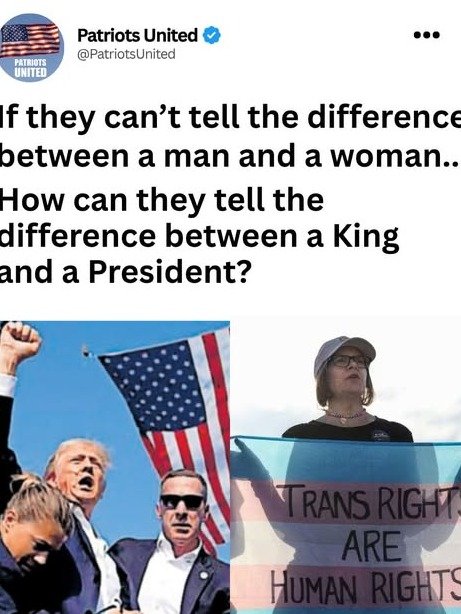
Imagine a world where the very foundations of authority are being questioned, not by a fringe group, but by a rising tide of citizens demanding a new order. Across the globe, movements like ‘No Kings’ are igniting a fierce debate, pushing us to confront uncomfortable truths about identity, governance, and the true source of political power.
These aren’t just isolated incidents; they represent a seismic shift in how people view their leaders and the systems that govern them. From bustling city squares to the quiet corners of the internet, a potent mix of frustration, idealism, and a yearning for self-determination is bubbling to the surface, challenging the status quo in unprecedented ways.
The Enduring Battle: Protests as a Voice of Dissent
Throughout history, protests have served as a powerful, often last-resort, mechanism for citizens to express their grievances and demand change. From the Boston Tea Party to the Civil Rights Movement, street demonstrations have consistently forced societies to confront injustices and evolve.
Today, these historical echoes resonate louder than ever as movements like ‘No Kings’ gain traction. They symbolize a deep-seated rejection of centralized authority, a cry for greater autonomy, and a challenge to traditional notions of leadership that many feel have become detached or even tyrannical.
The fundamental tension between direct action and conventional politics is a timeless dilemma. While electoral processes and legislative debates are the bedrock of democratic governance, they often move slowly and can feel inaccessible to ordinary citizens.
This perceived inertia or unresponsiveness frequently fuels the very protests we see erupting worldwide. When established channels fail to address pressing concerns, the public inevitably seeks alternative avenues for their voices to be heard, often spilling out onto the streets.
Beyond the Ballot Box: When Street Action Takes Center Stage
Many participants in these movements argue that traditional political systems are no longer fit for purpose. They point to issues like systemic corruption, policy gridlock, and a widening gap between the promises of politicians and the lived realities of their constituents.
For these activists, protests are not just an expression of anger but a vital form of direct democracy. They believe that by mobilizing en masse, they can exert pressure that conventional lobbying or voting alone cannot achieve, directly influencing public discourse and policy outcomes.
Identity plays an increasingly crucial role in shaping these contemporary movements. Protests often coalesce around shared identities—be it ethnic, religious, ideological, or generational—creating powerful collective narratives that strengthen resolve and foster solidarity.
The ‘No Kings’ movement, for instance, can be interpreted as a rejection of any singular, overarching authority that dictates identity or suppresses individual expression. It champions a diverse, decentralized vision where individual and community identities are respected and empowered, rather than subsumed by a dominant power structure.
The Shifting Sands of Governance and Authority
At its core, the rise of movements like ‘No Kings’ represents a profound questioning of existing governance models. Are our current political systems truly representative? Do they adequately protect individual liberties and promote collective well-being? These are the uncomfortable questions being posed.
Activists are demanding more transparent, accountable, and participatory forms of governance. They envision systems where power is distributed more equitably, decisions are made closer to the people they affect, and mechanisms for citizen oversight are robust and effective.
“When the people fear the government, there is tyranny. When the government fears the people, there is liberty.” – Thomas Jefferson (often attributed)
This quote, though old, perfectly encapsulates the underlying sentiment of many protest movements. It speaks to the delicate balance of political authority and the constant need for its legitimacy to be re-earned through service and responsiveness to the populace.
The very definition of ‘political authority’ is being re-evaluated. Is it derived from divine right, historical tradition, or purely the consent of the governed? Modern movements strongly lean towards the latter, asserting that true authority stems directly from the people and can be revoked if trust is breached.
The “No Kings” Movement: A Modern Cry for Self-Determination
While the name ‘No Kings’ might evoke images of historical monarchies, its modern application is far broader. It’s a metaphor for rejecting any form of absolute, unaccountable power—whether it’s an authoritarian regime, an entrenched political elite, or even a perceived corporate overlord.
This movement champions the idea of self-sovereignty, both for individuals and for communities. It advocates for systems where people have genuine control over their lives, their resources, and their futures, free from arbitrary interference or oppressive mandates.
The ‘No Kings’ philosophy often aligns with principles of decentralization and local empowerment. It suggests that solutions to complex societal problems are best found when power is distributed, allowing diverse communities to tailor governance to their specific needs and values.
This isn’t necessarily a call for anarchy, but rather a profound re-imagining of what legitimate power looks like in the 21st century. It’s about ensuring that those who hold power are truly servants of the people, rather than masters of an unchallengeable domain.
The Digital Agora: Social Media’s Role in Amplifying Dissent
The advent of social media has undeniably revolutionized the landscape of protest and political engagement. Platforms like Twitter, Facebook, and TikTok have become digital agoras, enabling rapid organization, information dissemination, and the swift amplification of messages.
These digital tools allow movements to transcend geographical boundaries, connecting like-minded individuals across continents and fostering a global sense of solidarity. A hashtag can spark a movement, and a viral video can expose injustice to millions in moments.
However, the digital sphere also presents challenges. The spread of misinformation, the echo chamber effect, and the potential for surveillance and censorship are ever-present concerns. Yet, despite these hurdles, social media remains an indispensable engine for modern dissent.
It empowers ordinary citizens to become citizen journalists, bypassing traditional media gatekeepers and telling their stories directly. This democratization of information is a powerful force, enabling movements to shape their own narratives and counter official versions of events.
Navigating the Divide: Can Protests and Politics Coexist?
The ongoing collision between protests and politics forces us to consider whether these two forces can ever truly align, or if they are destined to remain in perpetual opposition. Ideally, protests should serve as a vital feedback mechanism for political systems, prompting necessary reforms.
However, too often, political establishments view protests as disruptive threats rather than legitimate expressions of public will. This dismissive attitude only exacerbates tensions, further alienating citizens and deepening the chasm between the governed and their governors.
For political systems to adapt and survive in this era of heightened scrutiny and dissent, they must become more agile, responsive, and genuinely inclusive. This means not just listening to protestors but actively engaging with their concerns and seeking pathways for meaningful dialogue and change.
The challenge for politicians is to bridge this trust deficit. It requires a willingness to acknowledge systemic failures, to embrace transparency, and to demonstrate a genuine commitment to serving the public interest above partisan or personal gain. Without this, the ‘No Kings’ sentiment will only grow stronger.
The Future of Dissent: What Lies Ahead?
As debates over identity, governance, and political authority continue to rage, it’s clear that the era of unquestioning deference to power is fading. The ‘No Kings’ movement and its global counterparts are not just fleeting phenomena; they represent a fundamental shift in civic engagement.
The future will likely see an increasingly dynamic interplay between street-level activism and traditional political processes. Successful governance will hinge on the ability of leaders to understand, adapt to, and even integrate the energy and demands emanating from these movements.
Ultimately, these ongoing demonstrations are a powerful reminder that the true strength of any society lies in the active participation and vigilance of its citizens. They compel us all to critically examine who holds power, how it is exercised, and whether it genuinely serves the collective good. The debate is far from over, and its outcome will profoundly shape the world we live in.
About the Author




