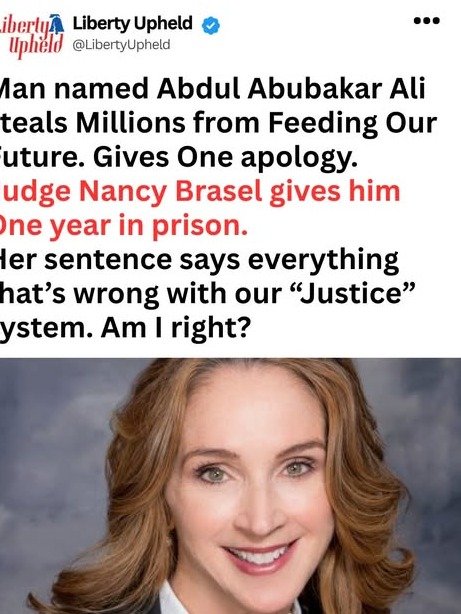
Did a federal judge just set a dangerous precedent, or was it a compassionate act of justice? The legal world and public alike are reeling from a recent sentencing in the colossal ‘Feeding Our Future’ fraud scandal, where a defendant received a shockingly lenient one-year prison term. The reason? The judge cited ‘genuine remorse,’ a decision that has ignited a firestorm of debate about fairness, accountability, and the very definition of justice in white-collar crime.
This isn’t just another legal proceeding; it’s a pivotal moment that forces us to question how we weigh financial crimes against their human cost, and whether a heartfelt apology can truly offset the theft of millions meant for vulnerable children. Prepare to dive deep into a case that has exposed the raw nerves of our justice system and left many wondering if the scales have been tipped too far.
The Shadow of ‘Feeding Our Future’: A Scandal Unveiled
The ‘Feeding Our Future’ case is not just a footnote in legal history; it’s a sprawling, multi-million dollar fraud scheme that shocked the nation. At its core, the scandal involved a network of individuals and organizations who allegedly exploited federal child nutrition programs, designed to feed low-income children, for personal gain. These programs, funded by taxpayers, were meant to provide essential meals, especially during the pandemic when food insecurity was rampant.
Instead, investigators uncovered a sophisticated web of deceit. Shell companies were created, fake meal sites were established, and fraudulent invoices were submitted for meals that were never served, or for children who didn’t exist. The sheer audacity and scale of the scheme, diverting hundreds of millions of dollars intended for the most vulnerable members of society, painted a grim picture of corruption and greed.
The Defendant and the Disputed Millions
While the full scope of the ‘Feeding Our Future’ investigation continues to unfold with numerous indictments and convictions, this particular defendant’s case has become a lightning rod. The individual, whose name we’ll keep anonymous for this discussion to focus on the broader implications, was found to have played a significant role in siphoning off a substantial amount of federal funds through fraudulent claims.
The prosecution laid out a compelling case, detailing how the defendant allegedly contributed to the elaborate scheme, fabricating documents, inflating numbers, and ultimately enriching themselves at the expense of public trust and needy children. The financial impact of their actions, combined with the collective damage of the entire fraud, amounted to a staggering sum that could have provided millions of actual meals.
A Courtroom Revelation: The Plea for Leniency
During the sentencing hearing, the courtroom was charged with tension. The prosecution argued for a severe penalty, emphasizing the gravity of the crime, the betrayal of public trust, and the need for a sentence that would deter others from committing similar offenses. They highlighted the systematic nature of the fraud and the direct harm it inflicted on the very children these programs were designed to protect.
However, the defense presented a powerful counter-narrative, focusing heavily on the defendant’s alleged transformation. They painted a picture of an individual overwhelmed by guilt, deeply regretting their actions, and actively working towards restitution. Testimonies and character statements reportedly emphasized a newfound commitment to ethical conduct and a profound understanding of the wrong committed.
The Judge’s Verdict: Remorse as a Mitigating Factor
It was the judge’s explanation for the surprisingly short sentence that truly sent ripples through the legal community and beyond. Citing the defendant’s
About the Author




