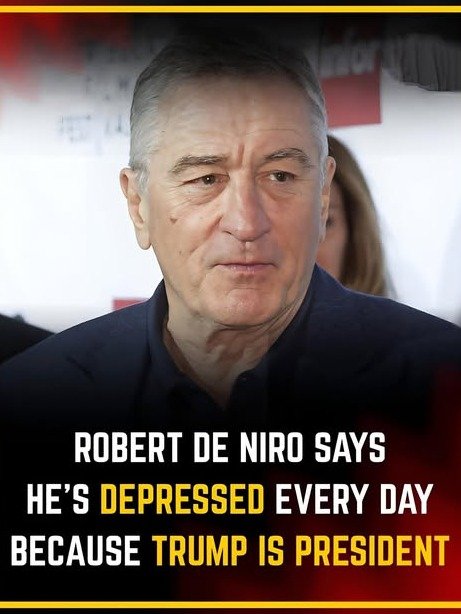
Imagine a world where the most recognizable faces, the voices that entertain and inspire us, suddenly step into the political arena. What happens when a beloved actor like Robert De Niro, known for iconic roles that transcend generations, takes a firm political stance? The answer is never simple, and the ripple effect across the nation is often immediate and profound.
When public figures like De Niro speak out, the reactions are a fascinating mirror reflecting the diverse tapestry of American sentiment. For many, such pronouncements ignite a spark of gratitude, a feeling that someone they admire is speaking truth to power, articulating the very concerns that weigh on their own minds. They see it as a courageous act of leadership, a powerful endorsement of values they hold dear.
Yet, for others, these celebrity political declarations can spark frustration, even outrage. They might perceive it as an unwelcome intrusion, a famous face overstepping their bounds, or simply an “out-of-touch” opinion that doesn’t resonate with their daily realities. This stark divergence in response isn’t just about politics; it’s about the complex relationship between celebrity, influence, and the deeply personal nature of political belief.
The Magnetic Pull of Celebrity Endorsements
For a significant portion of the American public, hearing a respected figure like Robert De Niro voice a political opinion isn’t just background noise; it’s a moment of connection and validation. When a celebrity aligns with their political views, it can feel like a powerful affirmation that their beliefs are not only valid but also shared by influential voices. This can be incredibly reassuring in an often-polarized world.
There’s a psychological comfort in seeing someone you admire stand up for what you believe in. It can reinforce a sense of community and shared purpose. Many feel a surge of gratitude, believing these figures are using their substantial platforms to advocate for the common good, or at least for the causes they deem essential. This isn’t just about political affiliation; it’s about a perceived moral alignment that resonates deeply.
Furthermore, celebrities possess an unparalleled ability to amplify messages. Their words cut through the noise of traditional media, often reaching audiences who might otherwise disengage from political discourse. When a star speaks, headlines follow, social media explodes, and conversations ignite around dinner tables. This amplification can raise awareness for critical issues, galvanize supporters, and even encourage voter participation, making their voices a potent force in the democratic process.
The Backlash: “Stay in Your Lane!”
On the flip side, the public’s reaction to celebrity political statements is frequently met with significant pushback. A common refrain is “stay in your lane,” suggesting that actors, musicians, or athletes should stick to their craft and refrain from political commentary. This sentiment often stems from a belief that celebrities, living in a different sphere of wealth and privilege, are inherently disconnected from the struggles of everyday Americans.
This perceived elitism can breed resentment. When a famous individual speaks on economic policy, social justice, or international relations, some listeners feel lectured by someone they view as out of touch with the realities faced by most citizens. The argument is often that while their artistic talents are appreciated, their political insights hold no special weight, and perhaps even less given their insulated lifestyles.
For those who hold opposing political views, a celebrity endorsement can feel like a personal attack or a betrayal. An actor they once admired for their roles might suddenly become a figure of contempt, leading to a sense of alienation. This can fuel deeper polarization, as fans might feel forced to choose between their appreciation for an artist’s work and their firmly held political convictions, often leading to a rejection of the celebrity’s message entirely.
A Historical Perspective: Not a New Phenomenon
While the intensity of reactions might seem amplified in the age of social media, the involvement of public figures in politics is far from a new phenomenon. Throughout history, artists, writers, and performers have used their platforms to influence public opinion and advocate for social or political change. Think of Hollywood’s role during World War II, rallying support for the war effort, or the celebrity activism during the Civil Rights Movement.
From figures like Frank Sinatra and Sammy Davis Jr. campaigning for John F. Kennedy, to Jane Fonda’s controversial anti-Vietnam War activism, and even Ronald Reagan’s transition from actor to president, the intersection of fame and politics has a long and storied past in America. What has changed, however, is the speed and ubiquity of information dissemination, making every statement, every endorsement, instantly global.
In decades past, a celebrity’s political leanings might have been known through carefully curated interviews or public appearances. Today, a single tweet or an impromptu comment at a press conference can ignite a nationwide debate within minutes. This immediate, unfiltered access to celebrity opinions means their impact, both positive and negative, is felt with unprecedented force, shaping discourse in real-time.
What Drives the Gratitude? A Search for Leadership
The original prompt mentioned that “many Americans say they feel grateful for leaders they believe is working in their favor.” This sentiment is crucial to understanding the positive reception of celebrity political statements. In an era where trust in traditional political institutions can waver, some citizens look for authentic voices wherever they can find them, even from unexpected sources like Hollywood.
When a public figure speaks out, especially on issues of perceived injustice or critical national importance, they can inadvertently step into a leadership vacuum. For those who feel unrepresented or unheard by elected officials, a celebrity’s passionate advocacy can resonate deeply. It can feel like a powerful, independent voice is championing their cause, giving hope and direction.
This gratitude often stems from a longing for clear, moral leadership and a desire to see their values reflected in the public sphere. When a celebrity articulates a vision or supports a candidate that aligns with these deep-seated hopes, it can feel like a genuine act of service, inspiring loyalty and appreciation. It’s not just about the message; it’s about the messenger embodying a certain ideal or courage.
The Double-Edged Sword of Influence
The power of celebrity political engagement is undeniably a double-edged sword. On one hand, it can be a formidable tool for civic engagement. Celebrities can mobilize voters, raise significant funds for campaigns, and bring crucial attention to overlooked policies or social issues. Their star power can translate into tangible political action, from voter registration drives to influencing legislative debates.
Consider these potential benefits:
- Increased Awareness: Drawing media attention to critical issues.
- Voter Mobilization: Encouraging participation, especially among younger demographics.
- Fundraising: Leveraging fame to raise substantial campaign donations.
- Legitimacy: Lending perceived credibility to candidates or causes.
However, this influence also carries significant risks. Celebrity endorsements can deepen existing political divides, further entrenching partisan lines. When an admired figure takes a side, it can alienate a segment of their audience, leading to increased polarization rather than constructive dialogue. The focus can shift from policy debates to personality clashes, sometimes oversimplifying complex issues.
“The danger is not that celebrities will replace politicians, but that their pronouncements will further fragment an already fractured public square, making it harder to find common ground.”
Furthermore, the nature of celebrity can sometimes overshadow the substance of the message. The spectacle of a famous person speaking out might draw attention, but it doesn’t guarantee a deep understanding or thoughtful consideration of the underlying issues. The fleeting nature of viral moments can lead to superficial engagement rather than sustained, informed civic participation.
Beyond the Hype: The Nuance of Public Opinion
It’s crucial to remember that while celebrity voices can be loud, they are just one factor in the intricate web of public opinion. Most Americans form their political views based on a multitude of influences: personal experiences, economic situations, family values, community ties, media consumption, and trusted local leaders. A celebrity endorsement might nudge some, but rarely does it unilaterally dictate a person’s vote or core beliefs.
For many, the political statements of celebrities are met with a shrug of indifference. They might enjoy an actor’s films or a musician’s songs, but their political opinions hold no sway. This segment of the population consciously separates the art from the artist, preferring to make their own informed decisions based on their own research and values, rather than relying on famous endorsements.
The impact of a celebrity’s words also varies greatly depending on the individual celebrity, the issue at hand, and the specific audience. A politically active musician might resonate more with younger voters, while an established actor known for their gravitas might carry more weight with an older demographic. The perceived authenticity and consistency of a public figure’s activism also play a significant role in how their message is received.
Navigating the Modern Political Landscape
The digital age has irrevocably altered the landscape of celebrity political engagement. Social media platforms provide direct, unfiltered access for public figures to communicate with their followers, bypassing traditional media gatekeepers. This immediacy means that a celebrity’s thoughts, opinions, and endorsements can spread globally in seconds, sparking instant reactions and debates.
This direct line of communication empowers celebrities but also exposes them to immediate scrutiny and backlash. Every word is analyzed, every gesture dissected, and every opinion quickly categorized as either heroic or misguided. This constant public pressure can make political engagement a high-stakes game for public figures, where their brand, reputation, and even career can be impacted.
As we move forward, the role of celebrity in politics will undoubtedly continue to evolve. It forces us to ask critical questions about the nature of influence, the responsibility of public platforms, and how a democratic society processes information and forms consensus in an increasingly interconnected and opinion-driven world. The “De Niro Effect” is more than just a reaction to one actor; it’s a symptom of a larger, ongoing shift in how we engage with leadership and public discourse.
In conclusion, when public figures like Robert De Niro speak out, the reactions are a complex tapestry woven from gratitude, frustration, validation, and alienation. These moments highlight the deep-seated desires of Americans for leadership that aligns with their values, even as they grapple with the perceived legitimacy of celebrity influence. Whether seen as courageous advocates or out-of-touch elites, the voices of stars will continue to shape, and sometimes shake, the foundations of American political discourse.
Ultimately, the enduring power of celebrity voices in politics reflects a fundamental aspect of human nature: our tendency to look for guidance, inspiration, and affirmation, even from those who entertain us. It’s a testament to the fact that in a democracy, every voice, amplified or not, contributes to the ongoing, vibrant, and often tumultuous conversation about the nation’s future.
About the Author




