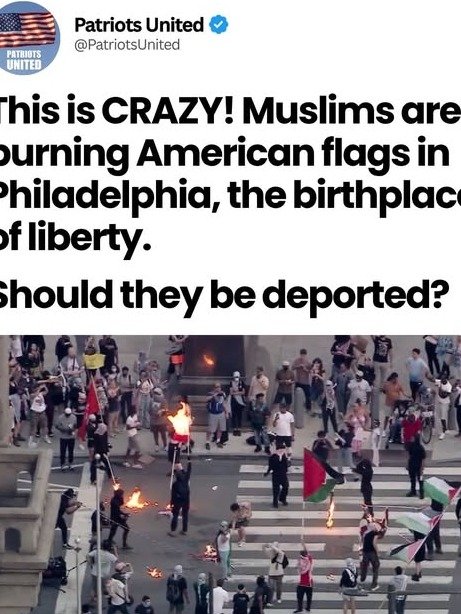
A seismic wave of protest is currently sweeping across the United States, transforming bustling urban centers into arenas of passionate demonstration and debate. What began as a distant conflict in the Middle East—the enduring Israel-Hamas conflict—has profoundly resonated within America’s diverse communities, manifesting as visible and often intense public demonstrations.
From the sun-drenched boulevards of Los Angeles to the historic avenues of Washington D.C., and most notably, the cobblestone streets of Philadelphia, citizens are taking to the streets. They are expressing deeply held convictions, grief, and outrage, bringing the complexities of an international crisis directly to America’s doorstep.
The Conflict’s Unfolding Echoes Across the Nation
The latest resurgence of the Israel-Hamas conflict has not only captivated global attention but has also starkly illuminated profound divisions and solidarities within American society. As news of the conflict’s devastating human toll continues to spread, so too does the urgency felt by millions to voice their perspectives, advocate for justice, and demand action from their elected officials.
These protests are far from monolithic. They encompass a broad spectrum of viewpoints, ranging from fervent support for Palestinian rights and condemnation of Israeli military actions, to staunch solidarity with Israel and condemnation of Hamas. Each demonstration reflects a unique facet of America’s multicultural fabric and its deeply personal connections to the conflict.
Philadelphia: A Nexus of Dissent
Philadelphia, a city steeped in revolutionary history and known for its vibrant activism, has emerged as a particularly visible flashpoint. Its diverse population, including significant Jewish and Arab communities, has meant that the conflict’s echoes resonate deeply within its neighborhoods and institutions.
From the steps of City Hall to the campuses of prestigious universities like the University of Pennsylvania and Temple University, demonstrators have gathered in large numbers. These protests often feature impassioned speeches, the waving of national flags, and the chanting of slogans that reflect deeply held convictions about justice, human rights, and self-determination.
The city’s historical role as a crucible for American ideals of freedom and protest adds another layer of complexity. Modern demonstrations in Philadelphia draw upon a long tradition of public assembly, making it a natural stage for expressing strong political and humanitarian viewpoints.
Who Is Protesting and Why?
The demographics of these protests are as varied as the cities themselves. Students, religious leaders, community organizers, and concerned citizens from all walks of life are participating. Many are driven by a deep sense of moral obligation, responding to images and reports of suffering, while others are motivated by personal ties to the region, having family or friends directly impacted by the conflict.
- Student Activism: University campuses, often hotbeds of social and political discourse, have seen significant mobilization. Student groups like Students for Justice in Palestine (SJP) and Hillel have organized numerous rallies, teach-ins, and vigils, advocating for their respective causes and often sparking intense debate within academic communities.
- Community Organizations: Local Palestinian-American, Jewish-American, and interfaith organizations play a crucial role in organizing and sustaining these protests, providing platforms for collective action and mutual support.
- Humanitarian Concerns: A significant portion of protestors are motivated purely by humanitarian concerns, decrying the loss of innocent lives and calling for ceasefires, aid, and protection for civilians on both sides.
Beyond Philadelphia: A Nationwide Phenomenon
While Philadelphia serves as a potent example, the phenomenon of conflict-related protests is by no means isolated. Major cities across the United States have witnessed similar scenes, each with its own local flavor and intensity:
New York City: As a global hub and home to vast diasporic communities, NYC has seen some of the largest and most frequent demonstrations. Marches often traverse iconic landmarks, drawing massive crowds and international media attention.
Los Angeles: On the West Coast, protests have regularly shut down major thoroughfares, reflecting the city’s diverse population and its strong ties to international affairs. Hollywood figures have also weighed in, further amplifying the conversation.
Washington D.C.: The nation’s capital is a natural magnet for protests aimed at influencing U.S. foreign policy. Demonstrators frequently target government buildings, embassies, and the White House, seeking to pressure lawmakers and the administration.
Chicago and Other Cities: From Houston to Detroit, and Boston to Atlanta, the pattern repeats. Each city becomes a microcosm of the larger national and international debate, with residents wrestling with how to respond to events unfolding thousands of miles away.
The Impact on Urban Life and Public Discourse
These protests, while vital expressions of democratic freedom, are not without their challenges. They can lead to significant disruptions, including traffic delays, increased demands on local law enforcement, and heightened tensions within communities. For city officials, balancing the right to peaceful assembly with the need to maintain public order and safety becomes a delicate, ongoing task.
About the Author




