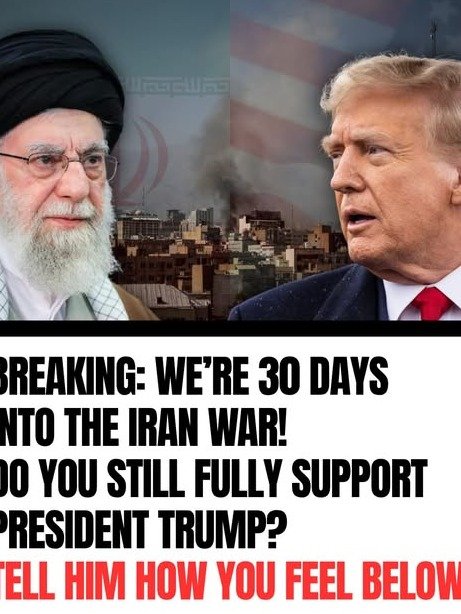
For nearly a month, the world has watched with bated breath as tensions between the United States and Iran have soared to alarming new heights. What started as a simmering dispute has rapidly escalated, pushing both nations—and the entire Middle East—closer to a potential flashpoint. The stakes are incredibly high, and understanding the complex layers of this escalating crisis is crucial for every global citizen.
This isn’t just another geopolitical squabble; it’s a critical moment that could redefine regional power dynamics and impact global stability. From vital shipping lanes to international energy markets, the ripple effects of this standoff are already being felt far and wide. The question on everyone’s mind is: how did we get here, and what happens next?
The Spark: How Tensions Reached a Boiling Point
The recent surge in U.S.-Iran tensions didn’t appear out of nowhere; it’s the culmination of decades of strained relations, punctuated by periods of intense hostility. However, the last 30 days have seen a particularly sharp and concerning escalation, following a series of provocative actions and counter-actions that have significantly raised the risk of miscalculation.
A key turning point was the U.S. withdrawal from the Joint Comprehensive Plan of Action (JCPOA), commonly known as the Iran nuclear deal, in May 2018. This move, followed by the re-imposition of crippling economic sanctions, initiated a ‘maximum pressure’ campaign designed to force Iran back to the negotiating table for a more comprehensive agreement.
Iran, in response, has gradually rolled back some of its commitments under the nuclear deal and has engaged in actions perceived as destabilizing in the region. This tit-for-tat dynamic has created a dangerous cycle, where each move by one side is met with an increasingly assertive counter-move by the other.
A Month of Escalation: Key Incidents and Responses
The past month has been particularly fraught with incidents that have fueled fears of open conflict. These events include:
- Increased Military Presence: The U.S. rapidly deployed an aircraft carrier strike group, B-52 bombers, and Patriot missile systems to the region, citing unspecified threats from Iran and its proxies.
- Attacks on Tankers: Several commercial oil tankers in the Gulf of Oman and near the Strait of Hormuz were attacked, with the U.S. and its allies attributing responsibility to Iran, a claim Tehran denies.
- Drone Shoot-Downs: An American surveillance drone was shot down by Iran over the Strait of Hormuz, which Iran claimed was in its airspace. The U.S. maintained it was in international airspace, and President Trump reportedly called off retaliatory strikes at the last minute.
- Cyber Warfare: Both nations have reportedly engaged in cyber operations, targeting military and infrastructure assets, adding another layer of complexity to the conflict.
- Regional Proxy Actions: Iran-backed groups in Iraq, Yemen, and Lebanon have also been implicated in various actions, further complicating the regional security landscape and potentially drawing in other actors.
Each of these incidents has pushed the two nations closer to the brink, with leaders on both sides issuing stern warnings and reaffirming their resolve. The rhetoric has been sharp, leaving little room for ambiguity about the severity of the situation.
America’s Divided Stance: A Nation Undecided
Recent polling data confirms what many observers already suspected: Americans are deeply divided on how to handle the escalating tensions with Iran. There’s no clear consensus on whether to pursue a more aggressive stance, prioritize diplomacy, or maintain the current ‘maximum pressure’ campaign.
One segment of the population advocates for a strong, uncompromising approach, believing that Iran’s actions necessitate a firm response to protect U.S. interests and allies. They often point to Iran’s support for regional proxy groups and its nuclear ambitions as reasons for a hardline stance.
“The American public is wary of another entanglement in the Middle East, yet equally concerned about unchecked aggression from adversaries. This creates a difficult tightrope for policymakers to walk.” – Political Analyst
On the other hand, a significant portion of Americans expresses caution, fearing that aggressive actions could lead to another costly and protracted conflict in the Middle East. They often emphasize the importance of diplomatic solutions and the potential human and economic costs of war.
The Economic and Geopolitical Stakes
The implications of this standoff extend far beyond the immediate military maneuvers. Economically, the Strait of Hormuz is a critical chokepoint for global oil shipments. Any disruption there could send oil prices soaring, impacting economies worldwide. The ongoing sanctions have already severely crippled Iran’s economy, leading to widespread public discontent within the country.
Geopolitically, the crisis threatens to further destabilize an already volatile Middle East. U.S. allies in the region, such as Saudi Arabia and Israel, are deeply invested in the outcome, and any escalation could draw them into a broader conflict. International powers like China and Russia also have significant interests in the region and are closely monitoring the situation.
The U.S. Strategy: Maximum Pressure and Deterrence
The current U.S. administration’s strategy towards Iran is unequivocally one of ‘maximum pressure.’ This involves:
- Economic Sanctions: Targeting Iran’s oil exports, financial institutions, and key industries to cut off its revenue streams.
- Military Deterrence: Deploying significant military assets to the region to signal readiness and dissuade Iranian aggression.
- Diplomatic Isolation: Working to build international consensus against Iran’s actions, though with mixed success, particularly among European allies.
The stated goal is to compel Iran to negotiate a new, more comprehensive agreement that addresses not only its nuclear program but also its ballistic missile capabilities and its support for regional proxies. However, critics argue that this approach risks pushing Iran further into a corner, making de-escalation more difficult.
Iran’s Response: Resilience and Retaliation
Iran, for its part, views the U.S. pressure campaign as an act of economic warfare and a violation of international law. Its strategy has been characterized by:
- Strategic Patience: Initially adhering to the nuclear deal despite U.S. withdrawal, hoping European powers would provide economic relief.
- Gradual Escalation: Slowly reducing its commitments under the JCPOA in response to continued sanctions, signaling its willingness to abandon the deal entirely.
- Asymmetric Warfare: Leveraging its naval capabilities, cyber units, and regional proxies to project power and retaliate against perceived threats, often without direct attribution.
- Defiant Rhetoric: Emphasizing its right to defend itself and rejecting U.S. demands as infringements on its sovereignty.
Tehran has repeatedly stated it will not negotiate under duress and has called for the U.S. to lift sanctions and return to the nuclear deal as a precondition for any talks. This fundamental disagreement on the path forward remains a major obstacle to de-escalation.
The Path Forward: Diplomacy, De-escalation, or Danger?
As the situation enters its second month, the options for both sides appear increasingly stark. The international community, led by European powers, has urged both the U.S. and Iran to exercise restraint and engage in dialogue. However, finding common ground remains incredibly challenging.
Diplomacy: There are quiet efforts behind the scenes, potentially involving intermediaries, to open channels for communication. However, the deep mistrust and maximalist positions of both sides make a breakthrough difficult. A return to the negotiating table would likely require significant concessions from both Washington and Tehran.
De-escalation: This would involve both sides stepping back from provocative actions, reducing military posturing, and refraining from inflammatory rhetoric. It’s a fragile path, easily disrupted by any new incident or miscalculation.
Danger: The risk of an accidental conflict remains high. A single misstep, a misinterpretation of intent, or an unforeseen event could quickly spiral out of control, leading to a direct military confrontation with devastating consequences for the region and the world.
The next few weeks will be critical. The world waits to see whether statesmanship and caution will prevail, or if the current trajectory will lead to an even more perilous chapter in U.S.-Iran relations. The outcome will undoubtedly shape the future of the Middle East and global security for years to come.
What Does This Mean for You?
Even if you’re thousands of miles away, the U.S.-Iran standoff has potential ramifications for your daily life. From the price of gas at the pump to the stability of global markets, the ripple effects are far-reaching. Staying informed and understanding the nuances of this complex geopolitical chess match is more important now than ever.
The current climate demands careful observation, balanced analysis, and a clear understanding of the historical context. As the tensions continue to simmer, the call for diplomatic solutions grows louder, hoping to avert a crisis that no one truly wants.
About the Author




