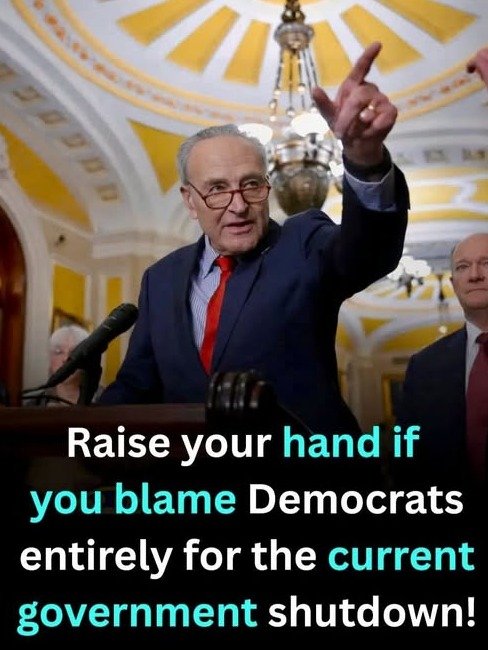
Imagine waking up to find essential government services you rely on, from food safety inspections to national park access, grinding to a halt. This isn’t a dystopian novel; it’s the stark reality many Americans face during a government shutdown, a recurring political spectacle that often leaves citizens bewildered and frustrated. The recent impasse has once again ignited intense political debate across the United States, pushing countless individuals and families to the brink.
As politicians in Washington D.C. engage in high-stakes negotiations, the ripple effects of a government shutdown extend far beyond the marble halls of Congress. From federal employees wondering when their next paycheck will arrive to businesses grappling with delayed permits and contracts, the true cost of these standoffs is often shouldered by everyday Americans. Understanding the mechanisms, impacts, and potential solutions is crucial for every citizen.
What Exactly Is a Government Shutdown?
At its core, a government shutdown occurs when Congress fails to pass appropriation bills, or regular funding legislation, for the upcoming fiscal year or a temporary continuing resolution, before the existing funding expires. Essentially, without the legal authority to spend money, non-essential government agencies must cease operations. This isn’t just a technicality; it’s a profound disruption.
It’s important to differentiate a government shutdown from a debt ceiling crisis. A shutdown relates to the *authority* to spend money, while a debt ceiling crisis involves the government’s ability to *borrow* money to pay for already authorized spending. Both are serious, but they impact the nation in distinct ways, though often intertwined in public perception.
The Root Causes: A Cycle of Political Brinkmanship
Government shutdowns rarely happen by accident. They are typically the result of deep-seated disagreements between the executive and legislative branches, or between different factions within Congress, over spending priorities, policy riders, or the overall national budget. These impasses often become tools in larger political battles, with each side attempting to gain leverage.
Historically, shutdowns have been triggered by disputes over issues ranging from healthcare reform and immigration policy to environmental regulations and specific funding allocations. What might seem like abstract legislative squabbles quickly translates into tangible consequences for millions. The brinkmanship can feel endless, and the public often grows weary of the recurring drama.
Who Feels the Brunt? Federal Workers on the Front Lines
Perhaps the most immediate and visible impact of a government shutdown falls squarely on the shoulders of federal employees. Hundreds of thousands of dedicated individuals, from scientists and park rangers to administrative staff, are either furloughed without pay or deemed ‘essential’ and forced to work without immediate compensation. Imagine showing up to work every day, performing critical duties, with no guarantee of when you’ll be paid.
This financial uncertainty creates immense stress for federal workers and their families. Mortgages, rent, childcare, and everyday expenses don’t pause just because Congress can’t agree. Many are forced to dip into savings, take out loans, or even seek temporary employment, leading to significant personal hardship and a severe blow to morale across the federal workforce. The long-term effects can include a ‘brain drain’ as talented individuals seek more stable careers.
“A government shutdown isn’t just about numbers; it’s about people. It’s about federal workers struggling to feed their families, small businesses losing contracts, and vital services grinding to a halt. This isn’t how a functioning democracy should operate.” – A concerned citizen.
Essential Services Under Threat: More Than Just Parks
While national parks closing often make headlines, the cessation or reduction of ‘non-essential’ services extends to a much broader array of critical functions that impact daily life. The term ‘non-essential’ itself can be misleading, as many of these services are vital for public safety, economic stability, and social welfare.
- Public Safety and Health: Reduced food safety inspections (FDA), delays in environmental protection agency (EPA) oversight, and even some aspects of air traffic control can be affected, posing potential risks.
- Economic Stability: Small Business Administration (SBA) loan processing halts, delays in IRS tax refunds, and a slowdown in economic data collection can stifle business growth and create market uncertainty.
- Social Programs: While some critical programs like Social Security payments often continue due to mandatory funding, new applications for housing assistance, food stamps (SNAP), or veteran benefits can be delayed, leaving vulnerable populations in limbo.
- National Security: While military personnel are often exempt and continue to work, uncertainty around their paychecks can impact morale. Intelligence gathering and certain defense operations might also face disruptions.
- Everyday Life: Passport and visa processing can slow down, impacting travel plans. Research grants might be frozen, hindering scientific advancement. Even basic services like trash collection in federal areas can cease.
The cumulative effect of these disruptions creates a significant burden on communities nationwide. Businesses that rely on federal contracts or tourism near federal lands experience immediate financial losses, which then ripple through local economies.
The Unseen Economic Ripple Effect
Beyond the immediate impact on federal workers and disrupted services, government shutdowns carry a substantial economic cost that often goes underestimated. Economists frequently quantify the direct impact in terms of lost GDP, but the wider implications are much harder to measure.
During the 2018-2019 shutdown, for instance, the Congressional Budget Office estimated a direct hit of $11 billion to the economy, with $3 billion never recovered. This loss comes from furloughed workers not spending, businesses losing contracts, and a general dip in consumer and business confidence. When the government appears unstable, investors become wary, and economic activity tends to slow down.
This uncertainty can deter foreign investment, lead to postponed business expansions, and negatively affect the nation’s credit rating. The perception of a dysfunctional government can have long-lasting consequences for America’s economic standing on the global stage, making future financial stability harder to achieve.
A Look Back: America’s Shutdown History
Government shutdowns are not a new phenomenon in American politics. While the term gained prominence in recent decades, the underlying issues have a longer history. Notable shutdowns include:
- 1995-1996: Two shutdowns under President Clinton, largely due to budget disagreements with a Republican-controlled Congress, lasting a combined 27 days.
- 2013: A 16-day shutdown under President Obama, primarily over funding for the Affordable Care Act.
- 2018-2019: The longest shutdown in U.S. history, lasting 35 days under President Trump, sparked by a dispute over border wall funding.
Each of these events highlighted different policy battles, but the common thread has always been the inability of political leaders to find common ground on fiscal matters. The repeated nature of these crises underscores a systemic issue in how budget negotiations are conducted and how political will is exercised.
Beyond the Headlines: The Erosion of Trust
Perhaps the most insidious long-term consequence of recurring government shutdowns is the erosion of public trust in government institutions. When citizens repeatedly witness their elected officials failing to perform basic duties, like funding the government, it fosters cynicism and disengagement. This can have profound implications for democratic participation and the overall health of civil society.
The perception of incompetence or indifference in Washington can lead to a sense of helplessness among the populace. It makes people question the effectiveness of their votes and the ability of their leaders to prioritize the needs of the nation over partisan squabbles. Rebuilding this trust is a monumental task, far more challenging than simply passing a budget.
Breaking the Cycle: Can We Find a Better Way?
Given the severe and multifaceted impacts of government shutdowns, the question naturally arises: Is there a better way? Many policy experts and concerned citizens advocate for reforms to the budget process to prevent these disruptive impasses. Solutions often discussed include:
- Automatic Continuing Resolutions: Implementing a mechanism that automatically extends funding at current levels if a new budget isn’t passed, removing the immediate threat of a shutdown and forcing continued negotiation.
- Bipartisan Budget Commissions: Establishing independent, non-partisan bodies to propose budget frameworks, potentially reducing the political polarization of the process.
- Enhanced Transparency and Deadlines: Streamlining the budget approval timeline and increasing transparency to hold lawmakers more accountable for delays.
Ultimately, preventing future shutdowns requires a fundamental shift in political culture, prioritizing compromise and the common good over partisan victories. It demands leaders willing to negotiate in good faith, recognizing the immense cost of their disagreements on the lives of ordinary Americans.
Your Voice Matters: Staying Informed and Engaged
The ongoing political debate surrounding government shutdowns isn’t just background noise; it’s a critical issue that affects everyone. Staying informed about the causes, impacts, and potential solutions is the first step toward advocating for a more stable and functional government. Understanding how these events impact federal workers, essential services, and the broader economy empowers you to engage meaningfully.
Reach out to your elected representatives. Share your concerns. Demand accountability and a commitment to fiscal responsibility and bipartisan cooperation. Your voice, combined with many others, can pressure lawmakers to find lasting solutions and prevent the recurring crisis of government shutdowns from becoming the new normal. Don’t let political squabbles silently sabotage the services and stability you depend on.
About the Author




