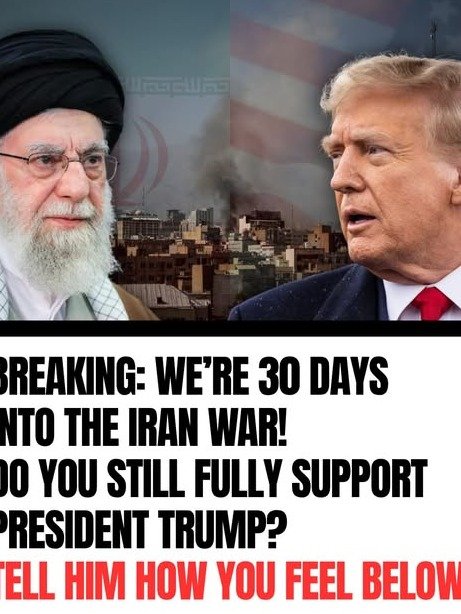
The air crackles with tension. For nearly 30 days, the simmering animosity between the United States and Iran has boiled over, becoming the most pressing and perilous challenge on the global stage. What began as a series of calculated moves and counter-moves has rapidly escalated, pushing an already fragile region closer to the brink of widespread conflict.
Imagine a high-stakes geopolitical chess match where every decision could trigger a cascade of unforeseen consequences. That’s precisely the scenario unfolding, and it’s not just policymakers in Washington and Tehran who are holding their breath. From oil markets to international alliances, the repercussions of this escalating standoff are profound, touching every corner of the globe.
A Month of Mounting Tensions
For the past month, the world has watched as the United States and Iran have been locked in a dangerous dance, each testing the other’s resolve. This latest chapter in a decades-long rivalry has seen a significant uptick in rhetoric, military posturing, and covert operations. The triggers for this recent intensification are multifaceted, stemming from a complex web of historical grievances, nuclear ambitions, and regional power struggles.
Key events over these past 30 days have included a surge in naval patrols in strategic waterways, renewed cyberattacks targeting critical infrastructure, and an undeniable increase in proxy skirmishes across the Middle East. Each incident, no matter how small, adds another layer of complexity and risk, making de-escalation an increasingly challenging prospect.
The Deep Roots of Distrust
To truly grasp the gravity of the current situation, one must look beyond the immediate headlines and delve into the tortured history between these two nations. The 1979 Iranian Revolution, which saw the overthrow of the U.S.-backed Shah and the rise of an anti-Western Islamic Republic, fundamentally reshaped the geopolitical landscape. This event marked a dramatic shift from alliance to animosity, setting the stage for decades of mutual suspicion and confrontation.
Subsequent flashpoints, such as the Iran-Iraq War, the development of Iran’s nuclear program, and various acts of terrorism attributed to Iranian proxies, have only deepened the chasm of distrust. While there have been intermittent attempts at rapprochement, most notably with the 2015 Joint Comprehensive Plan of Action (JCPOA), these efforts have often been short-lived and ultimately insufficient to bridge the fundamental ideological and strategic divides.
U.S. Policy: Pressure and Deterrence
The core of current U.S. policy towards Iran revolves around a strategy of maximum pressure, primarily through economic sanctions, coupled with a strong deterrent military presence. The stated goal is to compel Iran to cease its nuclear enrichment activities, stop its support for regional proxy groups, and improve its human rights record. However, critics argue that this approach risks alienating potential allies and could inadvertently push Iran towards more aggressive actions.
Washington’s stance emphasizes that all options remain on the table, a clear warning meant to deter any Iranian moves that could threaten U.S. interests or regional stability. This firm posture, while reassuring to some allies, also raises concerns about the potential for miscalculation, where a perceived threat could lead to an unintended and catastrophic escalation.
Iran’s Calculated Counter-Moves
For its part, Iran views U.S. pressure as an existential threat and has consistently demonstrated its willingness to push back. Tehran’s strategy often involves a mix of defiance, leveraging regional influence, and incrementally advancing its nuclear program. They seek to demonstrate that sanctions and military threats will not break their resolve, and that they possess the means to retaliate if provoked.
Recent actions by Iran, such as increasing uranium enrichment levels beyond JCPOA limits and engaging in provocative naval exercises, are clear signals of their intent. These moves serve to pressure international powers, particularly European nations, to push the U.S. towards a more conciliatory stance, while simultaneously bolstering their own strategic capabilities.
The Middle East on Edge
The ripple effects of this escalating U.S.-Iran tension are most acutely felt across the Middle East. Nations like Saudi Arabia, Israel, and the United Arab Emirates, who view Iran as a primary regional adversary, are deeply invested in the outcome. They often align with U.S. policy, advocating for a strong stance against Iranian expansionism and its network of proxy forces.
“The Middle East is a powder keg, and the U.S.-Iran standoff is consistently adding more fuel to the fire. Every move, every statement, reverberates across the region with profound implications for peace and stability.” – Regional Analyst
Conversely, countries like Iraq and Lebanon find themselves caught in the crossfire, struggling to balance their relationships with both the U.S. and Iran, who exert significant influence within their borders. The potential for proxy conflicts to spiral out of control is a constant, terrifying reality for millions living in these vulnerable states.
Global Implications and International Response
Beyond the immediate region, the U.S.-Iran standoff has significant global implications. Oil prices, for instance, are highly sensitive to any disruption in the Persian Gulf, a vital shipping lane for a substantial portion of the world’s energy supply. A major incident could send shockwaves through the global economy, impacting everything from fuel costs to manufacturing supply chains.
Internationally, the crisis also tests the cohesion of global alliances. European nations, while sharing concerns about Iran’s nuclear program, often advocate for diplomatic solutions and adherence to international agreements like the JCPOA. China and Russia, on the other hand, frequently express skepticism about U.S. unilateralism and maintain closer economic and strategic ties with Iran, complicating efforts to present a united front.
America Divided: A Nation at a Crossroads
Perhaps one of the most striking aspects of this month-long escalation is the deep division it has exposed within the American public. Recent polling data reveals a nation grappling with conflicting viewpoints, reflecting a broader struggle to define America’s role in the world and the appropriate response to complex foreign policy challenges.
The division isn’t merely along traditional political lines. While some advocate for a firm, unyielding approach to deter Iranian aggression, others warn against the dangers of military intervention, citing the costly lessons of past conflicts in the Middle East. This internal debate highlights a fundamental tension between national security interests, economic concerns, and a desire to avoid another protracted foreign entanglement.
- Hawks often emphasize the need to contain Iran’s influence, protect U.S. allies, and prevent nuclear proliferation through robust military deterrence and economic sanctions.
- Doves typically prioritize diplomatic engagement, de-escalation, and international cooperation, warning against the human and economic costs of military confrontation.
- Centrists often seek a balanced approach, combining targeted pressure with avenues for negotiation, aiming for stability without sacrificing core U.S. interests.
These differing perspectives underscore the complexity of public opinion, where fear of war, economic anxieties, human rights concerns, and national security imperatives all play a role in shaping how Americans view the crisis.
What Does the Future Hold?
As the 30-day mark passes, the future of U.S.-Iran relations remains shrouded in uncertainty. Several potential scenarios could unfold, each with its own set of risks and opportunities:
- Sustained Tension: The most likely immediate outcome is a continuation of the current high-stakes standoff, characterized by proxy conflicts, economic pressure, and a tense military presence.
- Diplomatic Breakthrough: Despite the current hostility, back-channel negotiations or a renewed push by international mediators could lead to a de-escalation and potential talks. This would likely involve significant concessions from both sides.
- Accidental Escalation: The greatest fear is that a miscalculation or an unintended incident in a highly militarized zone could quickly spiral into a direct military confrontation, with devastating consequences.
- Renewed Nuclear Deal: A less likely but still possible scenario involves a return to a modified nuclear agreement, perhaps with broader terms that address Iran’s missile program and regional behavior.
The path forward is fraught with peril, and the decisions made in the coming weeks and months will undoubtedly shape the geopolitical landscape for years to come. The stakes could not be higher, not just for the Middle East, but for global peace and stability.
The Critical Role of Public Awareness
In this volatile environment, an informed citizenry becomes paramount. Understanding the nuances of U.S.-Iran relations, the historical context, the various policy options, and the potential outcomes is crucial for shaping responsible foreign policy. The division among Americans isn’t a weakness; it’s a reflection of the profound complexities involved and the need for thoughtful, engaged discourse.
As the situation continues to evolve, staying informed and critically evaluating the information presented will be more important than ever. The decisions made in Washington and Tehran will affect us all, making this a foreign policy challenge that demands our collective attention and understanding.
About the Author




