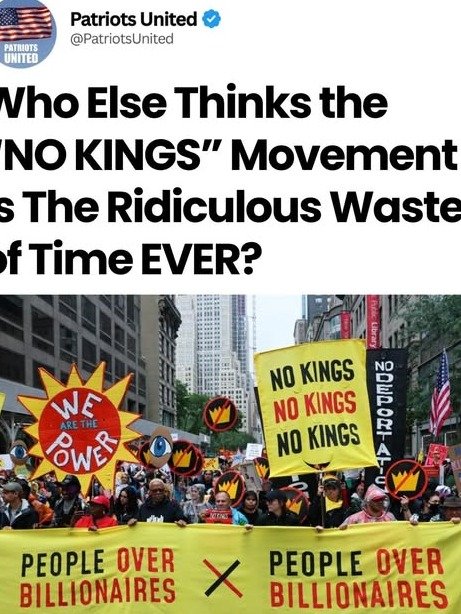
Have you ever felt a creeping sense of unease, a feeling that the very ground beneath our feet is shifting? It’s more than just political disagreement; it feels like a fundamental clash of visions for what our country stands for. Many are sensing that the core values and principles that once defined us are now under a relentless, unseen assault.
This isn’t just about differing opinions on policy; it’s about the erosion of the bedrock ideals upon which this nation was built. The concern isn’t merely that some disagree with current political decisions, but that there’s a growing movement actively working against the foundational tenets that have guided us for centuries. This trend isn’t just unproductive; it’s genuinely alarming for the future of our republic.
Understanding America’s Foundational Pillars
To truly grasp the gravity of this situation, we must first revisit what America was founded upon. It wasn’t just a geographical entity; it was an audacious experiment in self-governance, rooted in profound philosophical ideals. The Declaration of Independence, with its assertion of unalienable rights to ‘Life, Liberty and the pursuit of Happiness,’ laid the groundwork for a society where individual freedom was paramount.
The U.S. Constitution, a marvel of political engineering, further enshrined these principles through a system of limited government, checks and balances, and the rule of law. It sought to protect individual liberties from the potential tyranny of both the state and the majority. These documents weren’t just legal texts; they were a covenant, a promise of a society built on freedom, personal responsibility, and the pursuit of truth.
“We hold these truths to be self-evident, that all men are created equal, that they are endowed by their Creator with certain unalienable Rights, that among these are Life, Liberty and the pursuit of Happiness.” – The Declaration of Independence
Key among these founding principles are:
- Individual Liberty: The belief that each person possesses inherent rights that government cannot infringe upon.
- Limited Government: The idea that governmental power should be constrained to prevent overreach and protect individual freedom.
- Rule of Law: The principle that all, including those in power, are subject to and accountable to laws that are publicly promulgated, equally enforced, and independently adjudicated.
- Free Speech and Open Debate: The conviction that the marketplace of ideas, no matter how contentious, is essential for truth to emerge and for a healthy democracy to thrive.
- Property Rights: The understanding that individuals have a right to own and control their property, a cornerstone of economic freedom and personal independence.
The Alarming Shift: Ideologies Challenging Our Core
Today, we observe various ideological currents that appear to stand in direct opposition to these foundational tenets. Instead of celebrating individual achievement and liberty, some voices prioritize collective identity over individual merit, often categorizing people into groups based on immutable characteristics rather than recognizing universal human dignity.
This shift can lead to policies that emphasize group outcomes rather than equal opportunity, potentially undermining the very notion of individual responsibility and meritocracy. When identity becomes the primary lens through which society is viewed, the unifying principles of shared citizenship and common values can begin to fracture.
Erosion of Individual Liberty and Limited Government
One of the most concerning trends is the increasing demand for government intervention in nearly every aspect of life. While a safety net is important, some contemporary ideologies advocate for an expansive state that dictates economic activity, redistributes wealth aggressively, and even attempts to shape cultural norms. This fundamentally clashes with the founders’ vision of a government limited in scope, designed to protect rights, not control lives.
The concept of individual liberty, once sacrosanct, seems to be diminishing in favor of collective mandates or perceived societal good, often defined by a vocal few. This can manifest in everything from economic regulations that stifle innovation to social pressures that curb personal expression, pushing us further away from the autonomous individual envisioned by the framers.
The Threat to Free Speech and Open Discourse
Perhaps nowhere is the ideological divergence more evident than in the realm of free speech. The founders understood that robust, even uncomfortable, debate was the lifeblood of a free society. They enshrined the First Amendment not to protect popular opinions, but to safeguard dissenting voices and challenging ideas.
Yet, we now see growing calls for censorship, deplatforming, and the suppression of views deemed ‘offensive’ or ‘harmful.’ This ‘cancel culture’ mentality, often fueled by a desire for ideological purity, creates an environment of fear where individuals are hesitant to express their true beliefs, stifling innovation and critical thought. When certain ideas are deemed too dangerous to be heard, the very foundation of open inquiry begins to crumble.
“If all mankind minus one were of one opinion, mankind would be no more justified in silencing that one person than he, if he had the power, would be justified in silencing mankind.” – John Stuart Mill, ‘On Liberty’
The marketplace of ideas, once vibrant and diverse, risks becoming a controlled echo chamber where only approved narratives are permitted. This is a terrifying prospect for any society that values progress and truth-seeking.
Reinterpreting History: A Dangerous Path
Another significant ideological challenge involves the wholesale reinterpretation of American history. While it is crucial to acknowledge past wrongs and learn from them, some modern narratives seek to paint the entirety of American history as an unbroken chain of oppression and injustice. This approach often overlooks the monumental achievements, the progress towards equality, and the foundational ideals that, despite their imperfect application, have inspired millions globally.
When history is viewed solely through a lens of grievance, it becomes difficult to find common ground or to instill a sense of shared national identity and purpose. It can lead to a rejection of the past entirely, rather than a nuanced understanding of its complexities, stripping future generations of a vital connection to their heritage and the lessons it holds.
The Economic and Social Fallout
The ideological clash isn’t confined to abstract debates; it has tangible consequences for our economy and society. When policies prioritize government control over free markets, we risk stifling entrepreneurship, innovation, and economic growth. Excessive regulation, high taxes, and a disregard for property rights can discourage investment and ultimately harm the prosperity of all citizens.
Socially, the constant emphasis on division—whether by race, gender, or class—erodes the bonds of community and fosters resentment. Instead of promoting unity through shared values and a common national identity, these ideologies often exacerbate fault lines, making it harder for people to connect across perceived differences and work towards common goals.
The result is a society increasingly fragmented, where trust in institutions and fellow citizens declines. This social decay is not merely a ‘waste of time’ in endless arguments; it’s a direct threat to the cohesion and stability necessary for any nation to thrive.
What Does This Mean for You?
The implications of these ideological battles are deeply personal. If individual liberty is diminished, your ability to make choices about your life, work, and beliefs is compromised. If free speech is curtailed, your voice, and the voices of those you agree with, can be silenced. If economic freedom is eroded, your opportunities for prosperity and upward mobility may shrink.
This isn’t an abstract academic exercise; it’s a fight for the very character of our nation and the quality of life for future generations. Ignoring these trends, or dismissing them as mere political squabbles, would be a profound mistake. The ‘scary’ part isn’t just the existence of these opposing viewpoints, but the potential for them to fundamentally reshape America into something unrecognizable.
Reclaiming Our Foundational Principles
So, what can be done? The first step is awareness. Understanding the foundational principles of America and recognizing when they are being challenged is crucial. It requires active engagement, critical thinking, and a willingness to defend these ideals, even when it’s unpopular or difficult.
- Educate Yourself: Delve into primary historical documents and philosophical texts that shaped the nation.
- Engage Respectfully: Participate in discussions with an open mind, but firmly articulate and defend core principles.
- Support Institutions: Champion organizations and individuals dedicated to preserving liberty, free speech, and limited government.
- Vote Wisely: Elect leaders who demonstrate a clear commitment to constitutional principles and individual freedom.
- Foster Unity: Seek common ground and emphasize shared values over divisive identity politics.
The future of our nation hinges on our collective commitment to these enduring principles. It’s time to move beyond the superficial debates and address the deeper ideological currents that threaten to redefine America. We must choose whether we will allow the silent erosion to continue, or if we will stand firm in defense of the ideals that have made this country a beacon of hope for centuries.
The stakes couldn’t be higher. This isn’t just a waste of time; it’s a critical moment for the soul of America, and every citizen has a role to play in safeguarding its future.
About the Author




