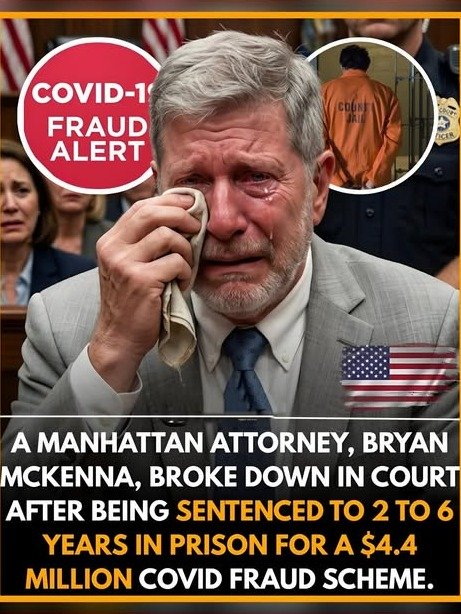
Imagine a time of unprecedented global crisis, where fear and uncertainty reigned supreme. While communities rallied and heroes emerged, another, darker story was unfolding: a colossal wave of fraud that siphoned billions from vital aid programs. The question isn’t just how this happened, but are we truly learning from the court battles now bringing these perpetrators to justice?
The COVID-19 pandemic unleashed not only a health crisis but also an economic one, prompting governments worldwide to roll out massive relief packages at breakneck speed. These programs, designed to cushion the blow for businesses and individuals, inadvertently created fertile ground for opportunistic criminals. Now, as the dust settles, courtrooms across the globe are becoming the arenas where the true scale of this deception is being laid bare, revealing critical lessons about accountability and future preparedness.
The Staggering Scale of Pandemic Fraud
The numbers are frankly staggering. Estimates suggest that trillions of dollars were allocated for pandemic relief globally, and a significant portion of that—potentially hundreds of billions—fell into the hands of fraudsters. In the United States alone, federal agencies like the Small Business Administration (SBA) and the Department of Labor oversaw programs such as the Paycheck Protection Program (PPP), Economic Injury Disaster Loans (EIDL), and expanded unemployment benefits, all of which became targets.
These programs, rushed into existence to provide immediate relief, lacked the robust verification systems typically associated with such vast sums of public money. This urgency, while understandable, created systemic vulnerabilities that criminals were quick to exploit, diverting funds meant for struggling families and businesses into their own pockets.
How the Billions Vanished: Common Fraud Schemes
The methods employed by fraudsters were varied, ranging from simple deception to sophisticated, organized crime operations. One of the most prevalent schemes involved the creation of fictitious businesses or the exaggeration of existing payrolls to secure PPP loans, with funds often used for luxury goods, real estate, or even speculative investments rather than legitimate business expenses.
Identity theft also surged, with criminals using stolen personal information to file for unemployment benefits or EIDL loans. Many individuals found themselves victims, their identities compromised and their legitimate claims delayed or denied due to fraudulent applications filed in their names. The sheer volume of applications overwhelmed oversight mechanisms, making detection incredibly challenging in the initial phases.
- Fictitious Entities: Creating shell companies to apply for loans and grants.
- Identity Theft: Using stolen IDs to claim unemployment or business aid.
- Duplicate Applications: Submitting multiple applications across various programs.
- Misuse of Funds: Diverting aid for personal gain, luxury items, or illicit activities.
- Organized Crime: Large-scale operations spanning multiple states or even countries.
Why Did It Happen So Easily?
Several factors contributed to the ease with which these fraudulent activities proliferated. Firstly, the sheer speed required to disburse funds meant that typical bureaucratic safeguards were often relaxed or bypassed entirely. The priority was getting money out the door to those in need, which unfortunately opened a wide door for illicit actors.
Secondly, a lack of cohesive data sharing and cross-referencing between different federal and state agencies meant that fraudsters could often apply for aid across multiple programs or states without immediate detection. The digital nature of many applications also presented new challenges, as traditional in-person verification methods were largely abandoned.
“The pandemic created a perfect storm for fraud: immense pressure to deliver aid quickly, coupled with an unprecedented amount of money, and a shift to digital processes that lacked robust security from day one.” – A former federal prosecutor.
The Long Arm of Justice: Investigation and Prosecution
As the initial chaos subsided, federal and state law enforcement agencies, including the Department of Justice (DOJ), the FBI, the Secret Service, and the IRS Criminal Investigation division, mobilized to tackle the colossal task of identifying and prosecuting fraudsters. Task forces were established, leveraging advanced data analytics and artificial intelligence to comb through millions of applications and transactions, pinpointing suspicious patterns.
The investigative process has been painstaking, often involving complex financial forensics to trace illicit funds, which were frequently laundered through shell corporations, cryptocurrency, or international accounts. Whistleblowers and tips from the public have also played a crucial role in bringing many cases to light, demonstrating the importance of public vigilance in safeguarding public funds.
Courtroom Battles: Holding Perpetrators Accountable
The courts are now the stage where accountability is being enforced. Thousands of individuals have been arrested and charged, with many already convicted and sentenced to significant prison terms, along with orders to pay restitution. These cases range from small-scale individual fraud to vast, intricate conspiracies involving dozens of participants.
For instance, cases have emerged where individuals received PPP loans for non-existent businesses, then flaunted their ill-gotten gains on social media, making them easy targets for investigators. Others involved sophisticated networks that exploited vulnerabilities in unemployment systems across multiple states, costing taxpayers millions. The judiciary is sending a clear message: pandemic fraud will not be tolerated, and those who stole from the public during a time of crisis will face severe consequences.
Lessons Learned for Future Crises
The lessons emerging from these court cases and investigations are invaluable for preventing similar abuses in future emergencies. One primary takeaway is the critical need for robust, proactive verification mechanisms built into aid programs from their inception, rather than relying solely on post-disbursement audits. This includes stronger identity verification and cross-checking applicant data against existing government databases.
Another vital lesson is the importance of inter-agency collaboration and data sharing. A unified approach, where different government bodies can quickly and securely share information, would make it far more difficult for fraudsters to exploit gaps between programs. Furthermore, investing in advanced fraud detection technology, such as AI and machine learning, is no longer a luxury but a necessity for safeguarding large-scale relief efforts.
- Enhanced Verification: Implement rigorous identity and business legitimacy checks pre-disbursement.
- Inter-Agency Data Sharing: Create secure, shared databases for applicant information across all aid programs.
- Technological Investment: Utilize AI and machine learning for real-time fraud detection and pattern analysis.
- Clearer Guidelines: Provide unambiguous rules for aid eligibility and use of funds.
- Public Awareness: Educate the public on common fraud schemes and reporting mechanisms.
The Lingering Human Cost and Erosion of Trust
Beyond the financial losses, pandemic fraud has had a profound human cost. Legitimate small businesses and individuals, genuinely struggling, often faced delays or outright denial of aid because funds had been siphoned off by fraudsters. This created immense hardship and, in some cases, led to business failures or personal bankruptcies that could have been avoided.
Perhaps even more damaging is the erosion of public trust. When people see that vast sums of money intended for the common good were stolen with relative ease, it breeds cynicism and distrust in government institutions. Rebuilding this trust requires not just prosecuting the guilty, but also demonstrating that effective measures are being put in place to prevent a recurrence.
The Path Forward: Sustained Vigilance and Reform
The fight against pandemic fraud is far from over. Investigations and prosecutions will continue for years, as law enforcement agencies work tirelessly to recover stolen funds and bring more perpetrators to justice. This sustained effort is crucial not only for accountability but also for deterrence.
Alongside enforcement, policy reforms are essential. Governments must implement the lessons learned, creating more resilient and fraud-resistant frameworks for future emergency relief. This includes a commitment to continuous improvement in technology, inter-agency cooperation, and public transparency. Only through a multi-faceted approach can we hope to protect public funds and ensure that aid reaches those who truly need it during times of crisis.
The courtrooms are telling a story of both profound betrayal and determined justice. By understanding these lessons, we can build a more secure future, ensuring that when the next crisis inevitably strikes, our aid programs are a lifeline for the vulnerable, not a goldmine for criminals.
About the Author




