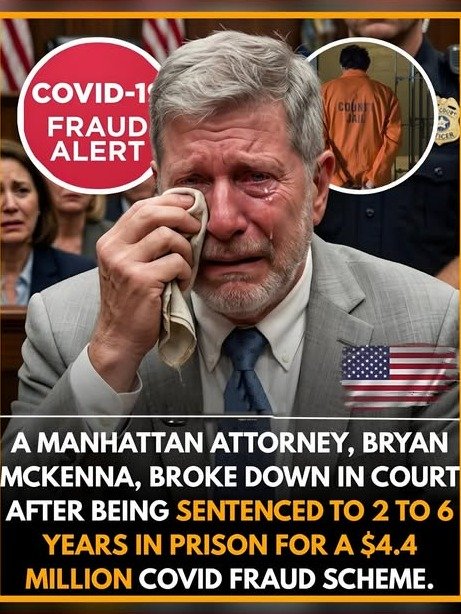
During a time of unprecedented global crisis, when communities grappled with uncertainty and fear, a different kind of threat emerged: widespread fraud. While the world focused on battling a deadly virus, opportunistic criminals exploited vital aid programs, siphoning off billions meant for struggling families and businesses. This wasn’t just petty theft; it was a systemic betrayal that cost taxpayers dearly and undermined the very fabric of trust.
Now, as the dust settles and the long road to recovery continues, courts across the nation are becoming the battleground for accountability. The ‘Pandemic Fraud and Accountability’ saga is unfolding daily, revealing shocking schemes and tireless efforts to bring perpetrators to justice. But what exactly happened, how were so many able to exploit the system, and what lessons are we learning from the arduous process of legal retribution?
The Unprecedented Wave of Deception
When COVID-19 swept across the globe, governments responded with remarkable speed, rolling out trillions of dollars in emergency relief. Programs like the Paycheck Protection Program (PPP), Economic Injury Disaster Loans (EIDL), and expanded unemployment benefits were lifelines designed to prevent economic collapse.
However, the sheer volume of funds and the urgent need to disburse them quickly created fertile ground for fraud. Criminals, ranging from sophisticated syndicates to individual opportunists, saw an opening. They exploited lax verification processes and the desperate scramble for aid, crafting elaborate schemes to divert funds into their own pockets.
How the Fraud Unfolded: A Web of Deceit
The types of fraud committed were as varied as they were audacious. Many schemes involved fabricating businesses or inflating employee numbers to secure PPP loans, which were initially forgivable. Others centered on unemployment benefits, with fraudsters using stolen identities to file multiple claims across different states.
Healthcare fraud also surged, as unscrupulous individuals billed for non-existent COVID-19 tests, treatments, or even vaccines. Scammers preyed on vulnerable individuals through phishing attacks, fake charities, and bogus product sales, all capitalizing on pandemic-related anxieties. The scale was truly staggering, impacting every corner of the relief effort.
The Staggering Cost to Taxpayers
Estimates from various government agencies paint a grim picture of the financial losses. The Small Business Administration’s Inspector General, for instance, has reported hundreds of billions of dollars in potentially fraudulent PPP and EIDL loans. Similarly, state labor departments have identified tens of billions lost to unemployment fraud.
This isn’t just about numbers on a spreadsheet; it represents essential resources diverted from struggling small businesses, families facing eviction, and healthcare providers on the front lines. The cumulative impact means a heavier burden on taxpayers and a slower, more difficult recovery for the entire nation.
“The amount of fraud we’re seeing from the pandemic relief programs is unprecedented in our nation’s history,” stated Michael Horowitz, Chair of the Pandemic Response Accountability Committee (PRAC), highlighting the monumental challenge ahead.
The Human Toll of Betrayal
Beyond the financial figures, there’s a profound human cost. Small businesses that genuinely needed PPP loans sometimes struggled to get them because the funds were depleted by fraudulent applications. Individuals legitimately out of work faced delays in receiving unemployment benefits due to clogged systems overwhelmed by fraudulent claims.
The integrity of these vital programs was compromised, eroding public trust in government’s ability to respond effectively during a crisis. This betrayal left many feeling abandoned and exploited, adding another layer of trauma to an already devastating period.
The Long Arm of Justice: Initial Responses
Even as the fraud was ongoing, law enforcement agencies began their painstaking work. Early investigations focused on identifying the most egregious cases and freezing illicit funds. The Department of Justice (DOJ), the FBI, the Secret Service, and various Inspectors General (OIGs) launched a coordinated effort to track down perpetrators.
Task forces were established, data analytics tools were deployed, and a massive undertaking began to unravel the complex networks of deceit. This initial phase was crucial for setting the stage for the wave of prosecutions now making their way through the courts.
Building the Case: Investigative Challenges
Prosecuting pandemic-related fraud is incredibly complex. Investigators often face challenges such as:
- International Scope: Many schemes involve individuals and networks operating across borders.
- Digital Evidence: A vast amount of evidence is digital, requiring sophisticated forensic analysis.
- Identity Theft: The use of stolen identities makes it harder to trace the true perpetrators.
- Volume of Cases: The sheer number of potential fraud cases is overwhelming for law enforcement resources.
Despite these hurdles, dedicated teams have been working tirelessly, piecing together evidence from bank records, digital communications, and informant tips to build robust cases.
Key Agencies Leading the Charge
Several federal agencies have been at the forefront of the fight against pandemic fraud. The Department of Justice, through its various U.S. Attorney’s Offices, has announced thousands of charges and secured numerous convictions.
The FBI has dedicated significant resources, often collaborating with the IRS Criminal Investigation (IRS-CI) unit, which excels at tracing illicit financial flows. Additionally, the Offices of Inspector General for agencies like the SBA, DOL, and HHS have played a critical role in identifying fraud within their respective programs.
Landmark Cases and Convictions
The courts are now delivering justice, with sentences ranging from a few years to decades in prison for the most egregious offenders. We’ve seen cases involving:
- Celebrity Imposters: Individuals who falsely claimed to be famous musicians or athletes to secure large PPP loans.
- Organized Crime: Gangs and criminal enterprises that laundered millions through shell companies.
- Medical Professionals: Doctors and clinic owners who billed for fake COVID-19 treatments or tests.
- Repeat Offenders: Individuals with prior criminal records who saw the pandemic as an opportunity for more illicit gains.
These convictions send a strong message: pandemic fraud will not go unpunished. The courts are demonstrating a firm resolve to hold those accountable who profited from a global tragedy.
The Intricacies of Prosecution
Bringing these cases to court involves meticulous legal work. Prosecutors must prove intent to defraud, which can be challenging when dealing with complex financial transactions and layers of deception. They rely on expert witnesses, financial analysts, and a mountain of documentary evidence.
Defense attorneys, meanwhile, often argue that their clients made mistakes due to the confusing nature of the programs or acted without fraudulent intent. The judicial process is thorough, ensuring due process while striving for justice for the victims – the American taxpayers.
Recovering Stolen Funds: A Difficult Task
While convictions are crucial, recovering the stolen funds is another monumental challenge. Law enforcement agencies utilize asset forfeiture laws to seize ill-gotten gains, which can include luxury cars, real estate, jewelry, and cash. These recovered assets are then returned to the Treasury or used to compensate victims.
However, much of the money has been spent, hidden, or transferred offshore, making full recovery incredibly difficult. The pursuit of asset forfeiture is an ongoing effort, aiming to minimize the financial impact on the public.
The Whistleblower’s Role
Many fraud schemes have come to light thanks to brave whistleblowers. Individuals who witnessed suspicious activities within companies or government agencies have stepped forward, often at great personal risk, to report wrongdoing. Laws protecting whistleblowers and offering incentives for reporting have been instrumental in uncovering significant cases.
Their contributions are invaluable, providing crucial insights that help investigators navigate the complex world of financial fraud and bring criminals to justice.
Lessons Learned: Strengthening Future Defenses
The pandemic fraud crisis has exposed vulnerabilities in government aid distribution mechanisms. In response, policymakers and agencies are working to implement reforms, including:
- Enhanced Verification: Implementing stronger identity verification and business validation processes.
- Data Analytics: Utilizing advanced AI and machine learning to detect patterns of fraud in real-time.
- Interagency Coordination: Improving information sharing and collaboration between federal and state agencies.
- Program Design: Designing future relief programs with built-in anti-fraud measures from the outset.
These lessons are critical to ensure that if another crisis strikes, aid can be delivered efficiently and securely without being hijacked by criminals.
Technology’s Double-Edged Sword
Technology played a dual role in the pandemic fraud saga. On one hand, it enabled fraudsters to scale their operations, using bots to submit thousands of fake applications and cryptocurrencies to launder money. On the other hand, technology is proving to be a powerful weapon in the fight against them.
Advanced data analytics, artificial intelligence, and sophisticated digital forensics are now being deployed to identify suspicious activity, trace illicit funds, and gather evidence. The ongoing technological arms race between criminals and law enforcement continues to evolve.
The Ongoing Battle for Accountability
The fight against pandemic fraud is far from over. Thousands of investigations are still active, and new charges are being filed regularly. The sheer volume and complexity of these cases mean that courts will be occupied for years to come, meticulously reviewing evidence and ensuring justice is served.
This sustained effort underscores a fundamental commitment: that those who exploited a national crisis for personal gain will be held accountable, no matter how long it takes.
Restoring Public Trust
Ultimately, the rigorous pursuit of justice in these cases is about more than just punishing criminals; it’s about restoring public trust. When billions of taxpayer dollars are stolen, it erodes faith in government and its ability to protect its citizens.
By demonstrating a relentless commitment to accountability, the courts and law enforcement agencies are working to rebuild that trust, proving that even in the face of unprecedented challenges, justice will prevail.
The lessons learned from the ‘Pandemic Fraud and Accountability’ cases will undoubtedly shape future responses to crises, making our systems more resilient and our collective resources more secure. It’s a stark reminder that vigilance, integrity, and a robust legal framework are essential pillars of a just society.
About the Author




