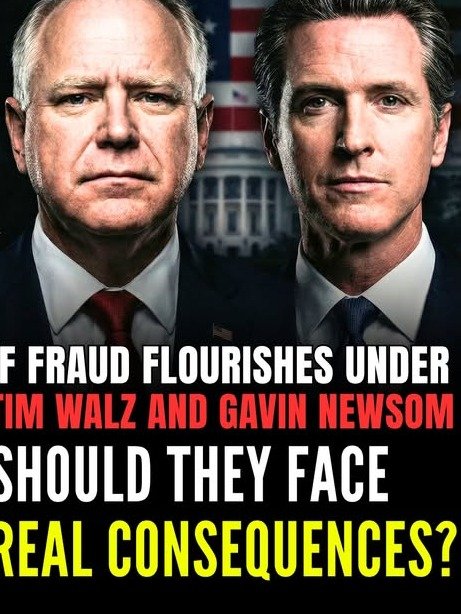
Have you ever felt a surge of frustration watching political scandals unfold, only to see the perpetrators seemingly walk away unscathed? It’s a sentiment shared by millions: a deep-seated belief that while ordinary citizens face the full force of the law, politicians often operate under an entirely different set of rules.
This isn’t just a fleeting observation; it’s a fundamental challenge to the very foundation of our democratic societies. The persistent lack of accountability for those in power erodes public trust, fuels cynicism, and ultimately, shapes the future of governance in ways that directly impact your daily life.
The Alarming Perception of Impunity
The core of this societal problem lies in the widespread perception that politicians are, in many ways, immune to the repercussions of their actions. From financial misconduct to abuses of power, ethical breaches, and even outright corruption, the headlines often scream about misdeeds, yet the follow-up rarely matches the initial outrage.
This isn’t to say that all politicians are corrupt or that no one ever faces justice. However, the instances where high-profile figures escape severe penalties, or where consequences are delayed, diluted, or merely symbolic, far too often overshadow the cases where accountability is genuinely achieved.
Why Do They Seem To Get Away With It?
Understanding this systemic issue requires a deeper look into the intricate web of factors that contribute to the perceived impunity of political figures. It’s not a single cause but a confluence of legal, structural, and cultural elements that create a protective shield around those in power.
One significant factor is the existence of legal immunities and privileges. In many jurisdictions, elected officials are granted certain protections, such as parliamentary immunity from prosecution for statements made in legislative chambers, or specific procedural hurdles that make it difficult to investigate or charge them while in office. While intended to protect free speech and prevent politically motivated harassment, these can sometimes be exploited as a shield against legitimate scrutiny.
The Labyrinth of Justice and Power
The legal processes themselves often play a role. Investigations into political wrongdoing are frequently complex, lengthy, and resource-intensive. They can involve vast amounts of documentation, numerous witnesses, and cross-jurisdictional challenges, making it easy for cases to drag on for years, often outlasting public interest or even political terms.
Moreover, the ‘revolving door’ phenomenon further complicates matters. Many politicians, upon leaving office, transition into lucrative roles in industries they once regulated or lobbied. This can create potential conflicts of interest, where former colleagues or subordinates might be hesitant to pursue aggressive investigations against someone who could soon be their employer or a powerful industry figure.
“The true measure of a society’s justice system isn’t just how it treats its most vulnerable, but how effectively it holds its most powerful accountable.”
Party loyalty and political patronage also play a crucial, often subtle, role. Within political parties, there can be immense pressure to protect one’s own, especially if scandal could harm the party’s image or electoral prospects. This can lead to internal cover-ups, downplaying of accusations, or a collective effort to shift blame, making independent investigations incredibly challenging.
Erosion of Public Trust: The Cost of Impunity
The most immediate and damaging consequence of this perceived lack of accountability is the severe erosion of public trust in political institutions. When citizens believe that their leaders are not held to the same standards, cynicism flourishes. This distrust can manifest in various ways:
- Decreased Voter Turnout: People feel their vote doesn’t matter if leaders are untouchable.
- Increased Political Apathy: Disengagement from civic life because the system feels rigged.
- Growing Support for Populist Movements: Frustration can lead people to support figures who promise to ‘clean up the system,’ sometimes with authoritarian undertones.
- Legitimacy Crisis: The fundamental belief in the fairness and effectiveness of democratic governance is undermined.
When trust is lost, the very fabric of society begins to fray. It becomes harder to implement necessary policies, as public skepticism greets every government initiative. Social cohesion weakens, and the sense of shared purpose that underpins a healthy democracy diminishes.
The Impact on Policy and Governance
Beyond public trust, the absence of consequences directly influences policy-making. If politicians face minimal repercussions for self-serving actions, they may be more inclined to prioritize personal gain, special interests, or party agendas over the common good. This can lead to policies that:
- Benefit donors or cronies instead of the general populace.
- Are poorly conceived or implemented due to a lack of genuine public interest.
- Perpetuate inequalities, as those with power protect their own.
The integrity of the entire governance structure is compromised. Ethical individuals may be deterred from entering politics, perceiving it as a field where integrity is punished and corruption is rewarded. This creates a vicious cycle, potentially leading to a political class less committed to public service and more focused on navigating loopholes.
The Media’s Role and Public Attention Span
The media plays a dual role in this dynamic. While investigative journalism is crucial for exposing wrongdoing, the rapid-fire news cycle and constant demand for novelty can mean that scandals, once exposed, quickly fade from public consciousness. A new headline can overshadow an ongoing investigation, allowing the initial outrage to dissipate before justice is fully served.
Our collective attention span, amplified by social media, is notoriously short. A scandal that dominates the news for a week might be forgotten a month later, especially if legal proceedings are slow. This allows politicians to ‘weather the storm,’ hoping public memory will fade before any significant consequences materialize.
Demanding True Accountability: What Can Be Done?
Addressing this deeply entrenched problem requires a multi-faceted approach, involving systemic reforms and active citizen engagement. It’s not an easy fix, but it’s essential for restoring faith in democratic institutions.
- Strengthening Independent Oversight Bodies: Empowering ethics commissions, anti-corruption agencies, and ombudsman offices with real investigative powers and independence from political interference is paramount. They need adequate funding and the authority to enforce their findings.
- Reforming Campaign Finance Laws: Reducing the influence of large donors and special interests through stricter regulations on political contributions can lessen the incentive for politicians to prioritize private interests over public good.
- Enhancing Transparency: Implementing comprehensive disclosure laws for politicians’ assets, incomes, and lobbying activities can shine a light on potential conflicts of interest. ‘Sunshine laws’ make government operations more visible to the public.
- Streamlining Legal Processes: While ensuring due process, exploring ways to expedite investigations and prosecutions of political corruption can prevent cases from languishing indefinitely, ensuring timely justice.
- Empowering the Judiciary: Protecting the independence of the judiciary from political pressure is crucial. Judges must be able to rule without fear or favor, holding even the most powerful accountable.
- Active Citizen Engagement: Ultimately, an informed and engaged citizenry is the most powerful check on political power. Voting responsibly, supporting investigative journalism, participating in advocacy groups, and demanding transparency from elected officials are vital actions.
Never underestimate the power of collective outrage channeled into constructive action. When enough citizens demand better, the political landscape is forced to respond.
The Path Forward: A Call to Action
The perception that politicians never face real consequences is not just a grievance; it’s a symptom of deeper systemic issues that threaten the health of our democracies. Ignoring it allows corruption to fester, trust to erode, and the very principles of fairness and justice to be undermined.
We must actively work towards a future where accountability is not an exception but the norm for everyone, regardless of their position. By understanding the complexities, demanding reforms, and remaining vigilant, we can begin to rebuild the faith in our institutions and ensure that those who govern truly serve the people, not just themselves.
About the Author




