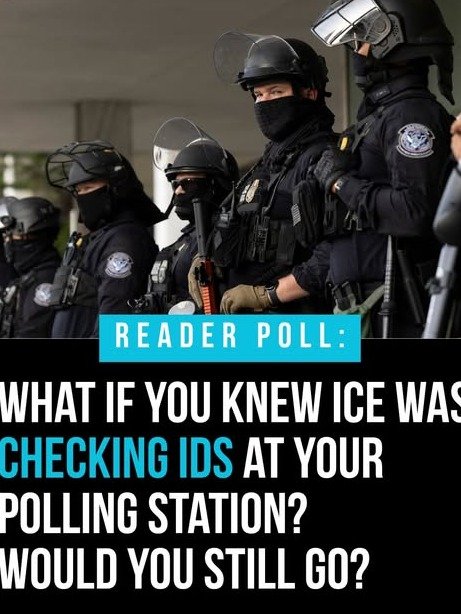
Imagine a cornerstone of democracy, a process so fundamental that its integrity is paramount to the very fabric of our society. This is our election system, and ensuring its fairness and legitimacy should be a universally accepted priority for every citizen. But what does true election integrity actually entail, and how far should we go to protect it?
The debate often centers on various security measures, from voter ID laws to ballot security. Yet, one particular proposal ignites passionate discussion: the presence of Immigration and Customs Enforcement (ICE) agents at polling locations. For many, this isn’t just a security measure; it’s a potent signal, a clear message about the seriousness with which we view the sanctity of our vote and the laws governing who can cast one.
The Bedrock of Democracy: Understanding Election Integrity
At its core, election integrity refers to the accuracy, fairness, and trustworthiness of the electoral process. It’s about ensuring that every eligible vote is counted correctly, that ineligible votes are excluded, and that the entire system operates free from fraud, manipulation, or undue influence. Without this trust, the very legitimacy of our elected officials and government institutions crumbles.
This isn’t just an abstract concept; it’s the foundation upon which public confidence in our democratic system rests. When voters believe the system is secure and fair, they are more likely to participate, accept election outcomes, and feel their voice truly matters. Conversely, doubts about integrity can lead to widespread distrust, political polarization, and even civil unrest.
Protecting this integrity involves a multifaceted approach, from secure voter registration databases to transparent vote counting procedures. Every step, from the moment a voter registers to the final certification of results, must withstand scrutiny and uphold the highest standards of fairness.
The Argument for Enhanced Presence: A Clear Message
For some, the presence of federal law enforcement, such as ICE agents, at voting locations is not about intimidation but about emphasizing the gravity of the electoral process. Proponents argue that such a visible presence sends an undeniable message that election laws, particularly those concerning voter eligibility, will be strictly enforced. This stance is rooted in the belief that strong deterrence is essential to prevent illegal voting.
The message, they contend, is multi-layered. Firstly, it’s a deterrent to any individual who might consider casting a ballot unlawfully, particularly non-citizens. Secondly, it signals to the broader public that authorities are committed to upholding the law and protecting the integrity of the ballot box. This, in turn, is intended to boost public confidence in the election results.
“Ensuring the integrity of our elections should be a common-sense priority for everyone. Having ICE agents at voting locations is a powerful way to send a clear message: that our laws are serious, and our democratic process is sacred.”
This perspective posits that the stakes are too high to rely solely on honor systems or reactive measures. A proactive, visible enforcement strategy, they argue, is a necessary component of a truly secure election environment, ensuring that only those legally entitled to vote participate.
Navigating the Legal Landscape: Who Can Vote?
The right to vote in the United States is explicitly reserved for citizens who meet specific age and residency requirements, as defined by state and federal laws. Federal law, specifically 18 U.S. Code § 611, makes it a crime for non-citizens to vote in federal elections. This legal framework underscores the importance of verifying voter eligibility.
While states are primarily responsible for administering elections and maintaining voter rolls, federal agencies like ICE have jurisdiction over immigration law enforcement. The intersection of these responsibilities creates a complex dynamic when considering their presence at polling places. The core legal principle remains: only U.S. citizens are eligible to vote in federal, state, and most local elections.
Arguments for ICE presence often highlight the potential for non-citizen voting, even if statistics on its prevalence vary and are often debated. The underlying concern is that even a small number of ineligible votes can undermine public trust and the perceived fairness of an election, especially in close contests.
Enhancing Security: Deterrence and Confidence
From a security standpoint, the visible presence of law enforcement personnel, including ICE agents, can serve as a significant deterrent. Just as police presence can deter other forms of crime, it is argued that immigration enforcement agents could deter individuals who are not legally entitled to vote from attempting to do so. This proactive approach aims to prevent violations before they occur, rather than simply prosecuting them after the fact.
Beyond deterrence, proponents believe such measures can bolster public confidence. When voters see that election security is being taken seriously, with visible measures to prevent fraud and uphold eligibility requirements, their faith in the system can strengthen. This enhanced confidence is crucial for ensuring widespread acceptance of election outcomes, regardless of who wins.
A secure election isn’t just about preventing ballot stuffing; it’s also about ensuring the integrity of the voter pool itself. By ensuring that only eligible citizens cast ballots, the argument goes, we uphold the foundational principle of a democratic system where the will of the legitimate electorate is accurately reflected.
Addressing Counterarguments: Intimidation vs. Security
While the arguments for ICE presence focus on integrity and deterrence, it’s crucial to acknowledge the significant counterarguments and concerns. Critics often warn that the presence of armed federal agents at polling places could lead to voter intimidation, particularly among immigrant communities, naturalized citizens, and even citizens who might be perceived as immigrants.
The fear is that such a presence could create a “chilling effect,” discouraging eligible voters from exercising their constitutional right due to fear of questioning, harassment, or even arrest. This concern is not trivial; historically, various tactics have been used to suppress voter turnout, and the appearance of federal agents could inadvertently, or intentionally, replicate such effects.
Furthermore, questions arise about the appropriate role of federal immigration enforcement at state-run polling places. Election administration is traditionally a state and local responsibility, and the involvement of federal agencies can be seen as an overreach or an attempt to federalize local election processes. Balancing the need for security with the imperative to ensure unimpeded access to the ballot box for all eligible voters is a delicate and complex challenge.
The Broader Picture: A Holistic Approach to Election Security
Ultimately, ensuring election integrity requires a comprehensive and balanced approach that considers all facets of the electoral process. While the debate around ICE agents at polling places highlights one aspect of security, it’s important to remember that election integrity encompasses much more. This includes:
- Robust Voter Registration Systems: Maintaining accurate and up-to-date voter rolls, regularly removing ineligible voters while ensuring eligible voters are not wrongly purged.
- Secure Ballot Handling: Protecting ballots from printing to delivery, collection, and counting, ensuring chain of custody and preventing tampering.
- Cybersecurity Measures: Safeguarding election infrastructure, including voting machines, registration databases, and tabulation systems, from hacking and digital interference.
- Post-Election Audits: Conducting transparent and robust audits to verify election results and build confidence in the outcome.
- Voter Education: Ensuring all eligible voters understand their rights, responsibilities, and the voting process.
Each of these components plays a vital role in building a resilient and trustworthy election system. Focusing solely on one aspect, while neglecting others, can leave the entire system vulnerable and erode public trust.
Upholding the Sacred Right to Vote
The discussion surrounding ICE agents at polling places is a microcosm of the larger, ongoing national conversation about how best to secure our elections without infringing upon the fundamental right to vote. It underscores the profound importance of finding a balance between robust enforcement and ensuring equitable access to the ballot box for every eligible citizen.
Ultimately, the goal is to foster an electoral environment where every legitimate vote counts, where the results are beyond reproach, and where public confidence in our democratic institutions remains unshaken. Achieving this requires thoughtful consideration, open dialogue, and a shared commitment to the principles of fairness, transparency, and the rule of law.
The Path Forward: Collaborative Solutions
Moving forward, a collaborative approach involving state and federal authorities, election administrators, and community leaders is essential. This could involve clearly defined protocols for law enforcement presence, ensuring transparency, and providing clear communication to voters about their rights and the purpose of any security measures. The aim should always be to enhance security without creating barriers to participation for eligible voters.
Our elections are more than just a procedural exercise; they are the vibrant expression of our collective will and the cornerstone of our self-governance. Protecting their integrity is not just a priority; it is a sacred duty that demands our unwavering attention and commitment.
About the Author




