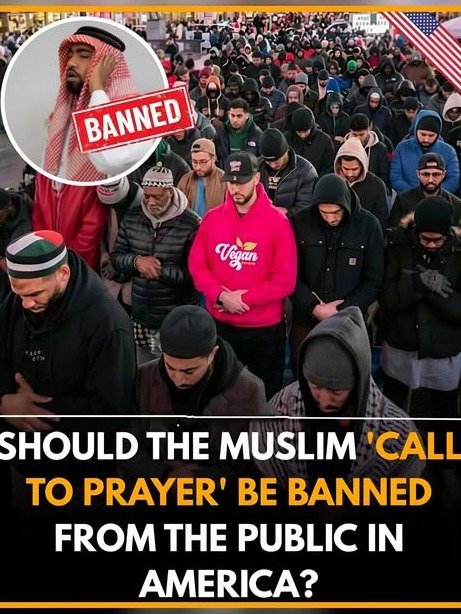
Imagine stepping out into your community’s shared spaces, expecting peace and quiet, only to be met with amplified sounds from a religious gathering. Or perhaps you’re part of a faith group, eager to share your message and express your devotion openly, but feel restricted by unwritten rules. This isn’t just a hypothetical scenario; it’s a growing tension in diverse societies worldwide, sparking vital conversations about how we truly share our public spaces.
At the heart of this discussion lies a fundamental question: how do we uphold everyone’s freedom of expression, including religious freedom, while ensuring public spaces remain accessible, peaceful, and inclusive for all? It’s a delicate balancing act, one that requires more than just good intentions; it demands clear understanding, mutual respect, and well-defined guidelines.
The Sacred and the Secular: Understanding Public Spaces
Public spaces are the lifeblood of any community. From parks and plazas to sidewalks and town squares, these are the arenas where diverse individuals and groups intersect. They are designed for everyone: for quiet contemplation, for children to play, for community events, and yes, for expressing beliefs and ideologies.
However, the very definition of a ‘public space’ implies shared ownership and shared responsibility. When one group’s expression, particularly through means like amplified sound, begins to significantly impact the comfort or quiet enjoyment of others, it inevitably leads to friction. The challenge isn’t to silence anyone, but to find a harmonious way for all voices to coexist without overwhelming the collective.
Freedom of Expression: A Cornerstone of Democracy
Religious freedom is a deeply cherished right, often enshrined in national constitutions and international human rights declarations. It encompasses the right to believe, not believe, change beliefs, and to manifest one’s religion or belief in worship, observance, practice, and teaching.
This freedom is not absolute, however. Like all rights, it comes with responsibilities and limitations, especially when exercised in public. The key principle is that one person’s freedom should not unduly infringe upon another’s. This is where the debate around amplified sound in public spaces often intensifies.
“True freedom in a diverse society isn’t about doing whatever you want, whenever you want. It’s about finding a way for everyone to thrive, respecting the boundaries that allow for collective peace and individual liberty.”
Amplified Sound: A Case Study in Conflict
The use of amplified sound for religious expression — be it a call to prayer, sermons, or music — is a particularly potent example of how individual freedoms can collide in shared environments. For adherents, it can be a powerful and essential part of their worship or outreach, a way to connect with their faith and community.
For others in the vicinity, however, it can be an intrusive noise, disrupting their peace, work, or leisure. This isn’t necessarily about disrespect for a particular faith; it’s often about the impact of noise pollution and the expectation of a certain level of tranquility in public areas, or even within their own homes and workplaces.
Navigating the Noise: The Need for Equal Rules
The solution isn’t to ban religious expression from public spaces, nor is it to give carte blanche to any form of expression regardless of its impact. Instead, it lies in establishing clear, fair, and equally applied rules that govern the use of public spaces for all activities, including religious ones.
These rules should not target specific religions but should focus on the *impact* of the activity. For instance, regulations concerning noise levels, hours of operation, and designated zones for amplified sound can ensure that religious groups can express themselves while minimizing disruption to others. This creates a level playing field, where ‘equal rules’ truly mean ‘equal freedom’ for everyone.
The Role of Local Authorities and Community Dialogue
Local municipalities and community leaders play a crucial role in mediating these potential conflicts. They are tasked with crafting bylaws and policies that balance the rights of all citizens. This often involves:
- Consultation: Engaging with diverse community groups, including religious organizations, residents, and businesses, to understand their needs and concerns.
- Clear Guidelines: Developing unambiguous rules regarding noise limits, permissible hours, and specific zones for activities involving amplified sound.
- Enforcement: Ensuring that these rules are applied consistently and fairly to all groups, regardless of their background or belief.
- Education: Promoting understanding and respect among different community segments about the diverse uses and expectations of public spaces.
Without clear guidelines, the vacuum is often filled with misunderstandings, frustration, and accusations of bias. Proactive policy-making, rooted in community dialogue, is far more effective than reactive crisis management.
Fostering Mutual Respect and Understanding
Beyond regulations, a crucial element in resolving these tensions is fostering a culture of mutual respect. This means encouraging religious groups to consider the impact of their actions on their neighbors, and encouraging non-religious individuals to appreciate the importance of religious expression to others.
It’s about finding common ground, acknowledging that public spaces are inherently diverse, and that compromise is often necessary for harmonious coexistence. Small gestures, like choosing less intrusive times for amplified sound or offering alternative ways for expression, can go a long way in building bridges rather than walls.
The Path Forward: Inclusive Public Spaces for All
Ultimately, the goal is to create public spaces that are truly inclusive, where everyone feels a sense of belonging and respect. This means ensuring that religious communities can express their faith meaningfully, without infringing upon the rights and peace of others.
It means recognizing that freedom is not an isolated concept but is deeply interconnected with the freedoms of those around us. By establishing ‘equal rules’ that focus on impact rather than intent, and by fostering open dialogue and mutual understanding, we can ensure that our shared public spaces remain vibrant, diverse, and truly free for every single member of our community.
The conversation about public religious expression and amplified sound is more than just a debate about noise; it’s a profound discussion about the kind of society we want to build – one where different freedoms can flourish side-by-side, creating a rich tapestry of community life rather than a cacophony of conflict.
About the Author




