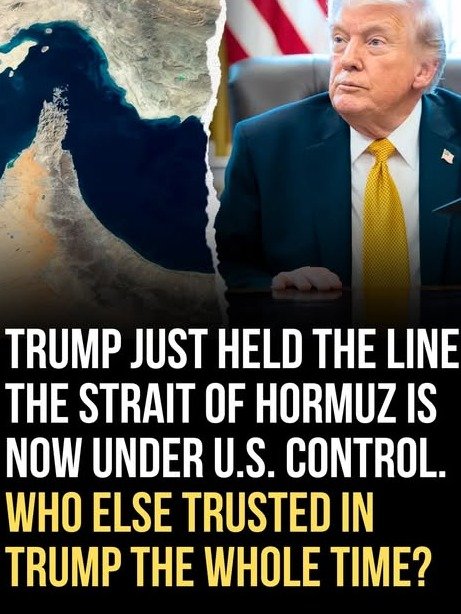
Imagine a single, narrow waterway holding the world’s energy supply hostage. This isn’t a dystopian novel; it’s the stark reality of the Strait of Hormuz, and recent geopolitical maneuvers prove its strategic importance has reached a fever pitch. What was once primarily a shipping lane is now the epicenter of a high-stakes power play, signaling a dramatic shift in global strategy and a clear message that the old rules no longer apply.
The assertion of dominance in this critical maritime passage isn’t just a localized event; it’s a seismic tremor felt across international markets, diplomatic circles, and military command centers worldwide. It underscores a bold new era where strategic chokepoints are not just economic arteries but potent instruments of influence, capable of dictating global energy prices and reshaping geopolitical alliances.
The Unrivaled Importance of a Narrow Passage
To truly grasp the magnitude of the Strait of Hormuz, one must first understand its geography and its role in global commerce. This slender waterway, barely 21 miles wide at its narrowest point, connects the Persian Gulf to the Arabian Sea and the broader Indian Ocean. It is the sole maritime passage for vast quantities of oil and liquefied natural gas (LNG) from the Middle East to global markets.
An astounding one-third of the world’s seaborne oil — approximately 21 million barrels per day — passes through the Strait. This includes exports from major producers like Saudi Arabia, Iran, the UAE, Kuwait, and Iraq. Any disruption here sends immediate shockwaves through the global economy, impacting everything from fuel prices at the pump to the stability of international trade.
A Historical Hotbed of Tension
The Strait of Hormuz has never been a stranger to tension. Its history is punctuated by conflicts, standoffs, and near-misses, primarily due to its pivotal role in energy security and regional power struggles. From the Iran-Iraq War’s “Tanker War” in the 1980s to more recent confrontations involving naval vessels and commercial shipping, the Strait has consistently been a flashpoint for international incidents.
Each incident, no matter how small, serves as a stark reminder of the delicate balance of power in the region and the potential for rapid escalation. The global community watches with bated breath, understanding that even a minor miscalculation could have catastrophic consequences for the world’s energy supply and, by extension, its economic stability.
The “Power Move” Defined: Asserting Dominance
When we talk about asserting dominance in the Strait of Hormuz, we’re referring to a multifaceted approach that combines military posturing, strategic naval presence, and the implicit threat of disrupting maritime traffic. This isn’t merely about patrolling waters; it’s about projecting strength, influencing regional dynamics, and sending a clear message to rivals and allies alike.
Such dominance can manifest in various ways:
- Increased Naval Presence: Deploying warships, submarines, and patrol boats to monitor and control shipping lanes.
- Military Drills and Exercises: Conducting maneuvers that demonstrate operational capabilities and readiness to respond to perceived threats.
- Technological Surveillance: Utilizing advanced radar, drones, and intelligence gathering to maintain situational awareness and control.
- Legal and Diplomatic Posturing: Asserting territorial claims or challenging international maritime laws to establish de facto control.
These actions collectively create an environment where the actor asserting dominance holds significant leverage over global energy flows, giving them an unprecedented level of geopolitical influence.
“Control over the Strait of Hormuz is not just about oil; it’s about the ultimate lever of global power in the 21st century. Whoever holds that key can dictate terms far beyond their borders.” – Geopolitical Analyst, Dr. Aris Thorne.
The Ripple Effect: Global Implications
The implications of sustained dominance in the Strait of Hormuz are far-reaching and complex:
Energy Security and Prices
Any perceived threat to the Strait immediately triggers a surge in global oil prices. Traders react swiftly to the potential for supply disruptions, leading to higher costs for consumers and businesses worldwide. Nations heavily reliant on Middle Eastern oil, like many in Asia and Europe, become particularly vulnerable.
International Shipping and Trade
Beyond oil tankers, countless cargo ships traverse the Strait, carrying goods vital for global supply chains. A disruption would not only impact energy but also obstruct the flow of manufactured goods, raw materials, and agricultural products, leading to widespread economic bottlenecks and inflation.
Geopolitical Alliances and Rivalries
The Strait of Hormuz acts as a crucible for international relations. Nations with vested interests in its stability, such as the United States, China, and European powers, are compelled to engage diplomatically or militarily to protect their access. This often leads to the strengthening of alliances or the exacerbation of existing rivalries, creating a highly volatile geopolitical landscape.
The Risks of Escalation: A Dangerous Game
The assertion of dominance in such a critical chokepoint is inherently fraught with risk. The potential for miscalculation, accidental escalation, or intentional provocation is ever-present. A single incident could quickly spiral into a larger regional or even international conflict, with devastating consequences.
The international community is constantly navigating this delicate balance, attempting to de-escalate tensions while simultaneously safeguarding vital economic interests. The stakes are incredibly high, and the margin for error is razor-thin. This is why the recent “power moves” in the Strait are not just headlines; they are urgent warnings.
What This Means for the Future
The current dynamics in the Strait of Hormuz signal a clear trend: strategic chokepoints will continue to be central to global power struggles. As nations increasingly compete for resources and influence, control over vital arteries like Hormuz offers unparalleled strategic advantage. This necessitates a renewed focus on:
- Diplomatic Engagement: Intensified efforts to resolve regional disputes and maintain open communication channels.
- Diversification of Energy Sources: Reducing reliance on a single region for energy supplies to mitigate risks.
- Strengthening International Maritime Law: Upholding the principles of freedom of navigation and ensuring safe passage for all vessels.
- Technological Innovation: Developing alternative shipping routes or energy transmission methods, though these are long-term solutions.
The message is unequivocal: the world is witnessing a dramatic recalibration of power, and the Strait of Hormuz is at its very heart. Ignoring these developments would be a grave mistake, as the ripple effects are already shaping the global economy and the future of international relations.
This isn’t just about a waterway; it’s about the very foundation of global stability and prosperity. The stakes have never been higher, and understanding these shifts is crucial for anyone seeking to comprehend the complex geopolitical landscape of our time. The world isn’t playing games anymore, and neither should we.
About the Author




