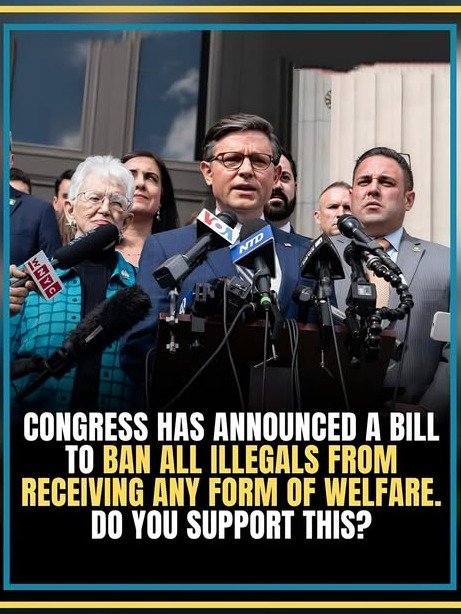
The question of how public assistance programs are allocated often sparks intense debate and strong emotions. Many people express genuine concern, wondering if the system truly serves those it’s intended to help, particularly when comparing support for undocumented immigrants with the struggles faced by American families.
This isn’t just a political talking point; it’s a deeply personal issue for millions. The perception that undocumented immigrants might receive substantial aid while citizens face hardship fuels a powerful sense of injustice and frustration. But what’s the actual reality behind these widely held beliefs?
It’s time to cut through the noise and delve into the intricate layers of public assistance, eligibility, and the often-misunderstood realities faced by both undocumented individuals and struggling American citizens. You might be surprised by the full picture.
Unpacking the Complexities of Public Assistance
Public assistance, often referred to as welfare, encompasses a broad range of government-funded programs designed to provide a safety net for individuals and families in need. These programs aim to alleviate poverty, ensure basic necessities, and promote well-being across the population.
From federal initiatives like SNAP (food stamps) and Medicaid to state-specific housing assistance and local community support, the landscape of aid is vast and varied. Understanding who qualifies for what, and under which circumstances, is crucial to grasping the true allocation of these vital resources.
The primary goal of these programs is to prevent destitution and provide opportunities for self-sufficiency. However, the sheer volume of programs and their often-complex eligibility rules can make it difficult for anyone, let alone the general public, to fully comprehend the system.
Who Qualifies for What? Decoding Eligibility
For U.S. citizens and legal residents, eligibility for federal public assistance programs is generally determined by strict income thresholds, family size, and other specific criteria. Programs like Temporary Assistance for Needy Families (TANF), Supplemental Nutrition Assistance Program (SNAP), and Medicaid are designed with specific populations in mind.
Accessing these benefits often involves a rigorous application process, including extensive documentation, interviews, and regular recertification. This ensures that aid is directed to those who meet the defined criteria for poverty and need, reflecting a significant commitment of taxpayer dollars.
Despite these programs, many struggling American families still face immense challenges in navigating the bureaucracy or even qualifying for sufficient aid. The hurdles can be significant, leading to a sense of being overlooked even when the need is dire.
Public Assistance for Undocumented Immigrants: Fact vs. Fiction
One of the most pervasive myths is that undocumented immigrants routinely receive a wide array of federal welfare benefits. The reality, however, is far more nuanced and often contradicts popular belief. Federal law generally prohibits undocumented immigrants from accessing most major federal means-tested public benefits.
“Undocumented immigrants are generally ineligible for federal public benefits such as SNAP, TANF, Supplemental Security Income (SSI), non-emergency Medicaid, and federal housing assistance.” – Center for Immigration Studies (citing federal law)
This means that the vast majority of federal welfare programs that support struggling American families are simply not available to individuals without legal immigration status. The perception of undocumented immigrants
About the Author




