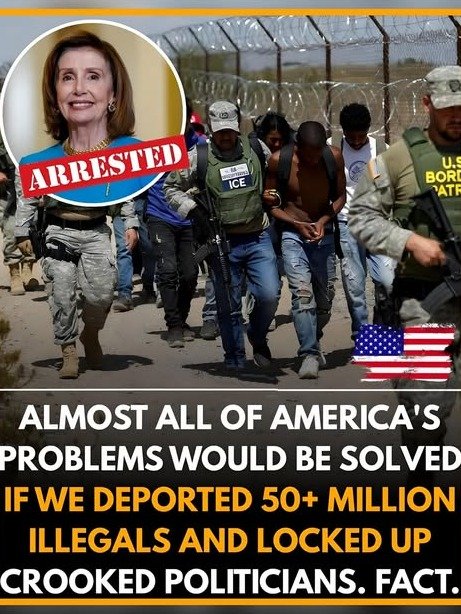
Have you ever truly considered how the state of our nation’s borders directly impacts your daily life, from the economy to your community’s safety? It’s a topic that sparks passionate debate, often simplified into soundbites, yet its true complexity touches every facet of our society. Many people understandably feel a deep concern about border security, economic stability, and the future of our nation.
This isn’t just about lines on a map; it’s about the intricate balance between national sovereignty, humanitarian responsibility, and economic prosperity. The conversation surrounding borders, accountability, and our collective future demands more than headlines – it requires a balanced, informed perspective that acknowledges all angles.
Unpacking the Border Security Conundrum
Border security is far more than just fences and patrols; it’s a dynamic, multi-layered challenge involving complex geopolitical factors, advanced technology, and human stories. The sheer scale of our borders, both land and sea, presents an immense logistical and strategic puzzle for any administration.
Understanding the full scope of this challenge means looking beyond conventional wisdom. It involves recognizing the diverse motivations of those seeking to cross, the methods employed by criminal organizations, and the technological advancements required to maintain effective oversight without compromising fundamental values.
The Economic Ripple Effect: More Than Meets the Eye
The economic implications of border policies are vast and often misunderstood. From the labor market to trade relationships, the flow of people and goods across our borders has a profound impact on national and local economies. It’s a delicate balance between potential economic benefits and the costs associated with enforcement and social services.
Consider the agricultural sector, for instance, which heavily relies on migrant labor. Changes in border policy can directly affect crop yields, food prices, and the overall supply chain. Similarly, cross-border trade agreements and infrastructure play a critical role in the competitiveness of our industries on a global scale.
“Our economic future is intrinsically linked to how we manage our borders, not just in terms of security, but also in fostering legitimate trade and addressing labor demands with foresight and fairness.”
The Humanitarian Dimension: A Crisis of Conscience
Beyond the economic and security discussions lies the undeniable humanitarian aspect of border issues. Thousands of individuals and families seek refuge or a better life, often fleeing unimaginable circumstances such as violence, poverty, or political instability. Their journeys are fraught with danger, and the challenges they face upon arrival are immense.
Addressing the humanitarian crisis at the border requires compassion, resources, and a clear legal framework for asylum and immigration. It’s a test of our values as a nation, demanding solutions that uphold human dignity while managing the practicalities of processing and integration.
National Security: Protecting Our Homeland
The primary role of border security is, without question, the protection of national interests and the safety of citizens. This involves preventing the entry of terrorists, criminals, and illicit goods like drugs and weapons. The evolving nature of global threats means that border security strategies must be constantly adapted and enhanced.
Effective national security at the border relies on a combination of intelligence gathering, advanced surveillance technology, rapid response capabilities, and international cooperation. It’s a continuous effort to identify and mitigate risks before they can impact communities within the nation.
Accountability: Who Bears the Responsibility?
The question of accountability is central to any discussion about borders. Who is responsible for the current state of affairs, and who should lead the charge for change? The answer is complex, involving multiple layers of government, international bodies, and even individual citizens.
- Federal Government: Congress and the Executive Branch are responsible for legislating and enforcing immigration and border security laws.
- State and Local Governments: Often bear the brunt of managing the immediate impacts, from providing social services to local law enforcement.
- International Partners: Collaboration with neighboring countries is crucial for managing migration flows and combating transnational crime.
- Citizens: Informed participation in the democratic process and advocating for balanced solutions are vital.
True accountability requires transparency, effective resource allocation, and a willingness from all stakeholders to engage constructively rather than solely assigning blame.
Leveraging Technology and Strategic Policy
The future of border management will undoubtedly be shaped by technological innovation and smart policy design. From AI-powered surveillance systems to advanced biometric identification, technology offers powerful tools to enhance security and efficiency.
However, technology alone is not a panacea. It must be integrated into comprehensive strategies that include diplomatic efforts, economic aid to source countries, and robust legal pathways for immigration. A balanced approach recognizes that enforcement is one piece of a much larger puzzle.
Building Bridges, Not Just Walls: Pathways to a Sustainable Future
Moving forward, the conversation needs to shift from reactive measures to proactive, sustainable solutions. This means investing in infrastructure, both physical and digital, at the border, but also investing in the root causes of migration.
A sustainable future for border security involves:
- Comprehensive Immigration Reform: Creating clear, efficient, and humane pathways for legal immigration.
- International Cooperation: Working with other nations to address regional instability and economic disparities.
- Humanitarian Aid: Supporting organizations that assist vulnerable populations at and beyond the border.
- Economic Development: Fostering economic opportunities in countries of origin to reduce the impetus for irregular migration.
- Data-Driven Policy: Basing decisions on evidence and expert analysis rather than political rhetoric.
Ultimately, securing the nation is about more than just physical barriers; it’s about building a resilient, just, and prosperous society that can navigate the complexities of a globalized world. It requires a commitment to balanced dialogue, shared responsibility, and a vision for a future where security and humanity can coexist.
The challenges are immense, but so too is our capacity for innovative solutions and empathetic governance. It’s time for a truly balanced conversation, one that empowers us all to contribute to a more secure and equitable future for our nation.
About the Author




