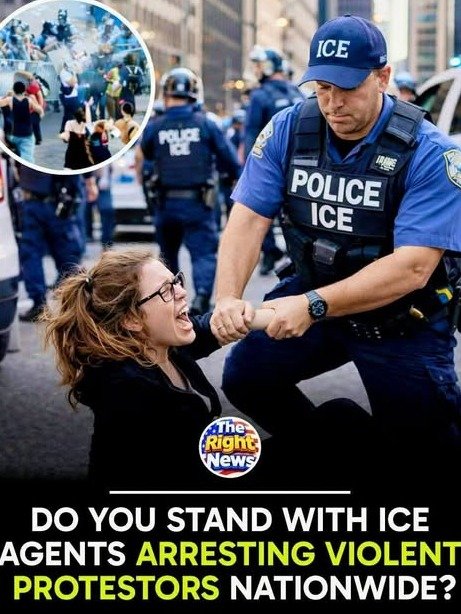
Few topics ignite such fierce passion and stark division across America as the actions of Immigration and Customs Enforcement (ICE). What began as a mission to secure our borders and enforce immigration laws has evolved into a central battleground in a broader cultural and political war, forcing us all to confront uncomfortable questions about national identity, human rights, and the very fabric of our society.
This isn’t just about policy; it’s about deeply held values, economic realities, and the future of millions. The debate surrounding ICE isn’t confined to Washington D.C. or border towns; it reverberates through every community, sparking protests, legal battles, and countless family discussions. Understanding its complexities is crucial, because whether you support or oppose its methods, the ripple effects touch us all.
The Unseen Battleground: What is ICE and Why the Outcry?
Immigration and Customs Enforcement, commonly known as ICE, operates under the Department of Homeland Security (DHS) with a multifaceted mission. Its core responsibilities include enforcing federal immigration laws, investigating transnational crime, and ensuring border security. Created in the wake of the 9/11 attacks, ICE was designed to be a critical component of national security, aiming to prevent terrorists and criminal elements from entering or remaining in the United States.
However, over the years, the agency’s enforcement tactics have become a lightning rod for controversy. From high-profile raids in communities to the conditions within detention centers, every action taken by ICE seems to draw both staunch support and vehement condemnation. This constant scrutiny has transformed the agency into a symbol, representing vastly different ideals depending on one’s perspective.
The Case for Enforcement: Why Supporters Stand Firm
For those who advocate strongly for ICE’s current operations, the arguments often center on the fundamental principles of national sovereignty and the rule of law. They assert that every nation has an inherent right to control its borders and to enforce the laws governing who may enter and reside within its territory. Allowing individuals to bypass established legal immigration processes, they argue, undermines the entire system and encourages further unauthorized immigration.
Supporters frequently highlight ICE’s role in public safety, pointing to the apprehension of individuals with criminal records or those deemed a threat to national security. They believe that robust enforcement acts as a necessary deterrent, discouraging illegal crossings and ensuring that those who enter the country do so through legal channels. The economic impact is also a key concern, with proponents arguing that unchecked illegal immigration strains public resources and can depress wages for native-born workers.
- National Security: ICE protects against threats to the homeland.
- Rule of Law: Upholding legal immigration pathways is essential.
- Public Safety: Removing dangerous individuals from communities.
- Sovereignty: A nation’s right to control its borders.
A Deep Dive into the Criticisms: Humanitarian Concerns and Civil Liberties
On the other side of the debate, critics of ICE’s actions raise profound humanitarian and civil liberties concerns. They argue that the agency’s aggressive enforcement tactics often lead to the separation of families, tear apart communities, and inflict undue trauma on vulnerable individuals, including children. Images and stories from detention centers, often depicting overcrowded conditions and inadequate medical care, fuel these condemnations, painting a picture of systemic human rights violations.
Many legal experts and advocacy groups question the due process afforded to immigrants, particularly in expedited removal proceedings. They contend that individuals may not receive fair hearings or adequate legal representation, leading to unjust deportations. The focus, from this perspective, should shift from punitive enforcement to comprehensive immigration reform that prioritizes compassion, family unity, and rehabilitation rather than solely removal.
“The human cost of aggressive immigration enforcement is immeasurable. We must ask ourselves if the pursuit of border security should come at the expense of our fundamental human values and the dignity of every individual.” — A prominent human rights advocate.
The Economic and Social Ripple Effect: Beyond the Headlines
The debate surrounding ICE extends far beyond legal and ethical arguments, delving deep into the economic and social fabric of the United States. Critics often point to the significant contributions of undocumented immigrants to various sectors of the economy, particularly agriculture, construction, and hospitality. Mass deportations, they argue, could lead to severe labor shortages and economic disruption, impacting industries reliant on immigrant labor.
Furthermore, the social impact on communities is profound. When ICE conducts raids or detentions, it can instill widespread fear and distrust, making immigrant populations hesitant to report crimes, seek medical attention, or engage with public services. This fear can lead to social fragmentation, undermining public health initiatives and community safety efforts. The long-term psychological effects on children growing up in households constantly fearing separation are also a major concern, impacting their development and integration into society.
Political Fault Lines: How the Debate Divides the Nation
The controversy surrounding ICE has become a stark indicator of America’s deep political polarization. On one side, conservative politicians and their constituents often champion ICE as a necessary bulwark against illegal immigration, advocating for increased funding and expanded powers. They frame the debate as a matter of national security and adherence to the rule of law, often criticizing any attempts to curb the agency’s authority as a threat to national sovereignty.
Conversely, progressive politicians and their supporters frequently call for significant reforms, if not outright abolition, of ICE, citing human rights abuses and the agency’s perceived overreach. They emphasize the humanitarian aspect of immigration, advocating for more humane treatment, pathways to citizenship, and a shift towards community-based alternatives to detention. This ideological chasm makes finding common ground incredibly challenging, turning every policy discussion into a heated partisan battle.
Seeking Common Ground? Pathways to Potential Reform
Despite the intense polarization, many believe that pathways to reform and potential common ground do exist. Discussions often revolve around creating a more efficient and humane immigration system that balances enforcement with compassionate treatment. This could involve exploring alternatives to detention, such as community-based supervision programs, which have shown to be both cost-effective and more humane. There is also a growing call for clearer guidelines and increased oversight to ensure accountability within ICE operations.
Comprehensive immigration reform, a goal that has eluded lawmakers for decades, remains a central hope for many. Such reform would address border security, provide a pathway to legal status for some undocumented immigrants, and streamline the legal immigration process. While challenging, these proposed solutions aim to move beyond the current impasse and build a system that better serves both national interests and humanitarian principles.
- Alternatives to Detention: Exploring community-based supervision.
- Increased Oversight: Implementing stricter guidelines and accountability for ICE.
- Comprehensive Reform: Addressing border security, legal pathways, and existing undocumented populations.
- Focus on Root Causes: Investing in solutions that address reasons for migration.
The Road Ahead: What Does the Future Hold for Immigration Policy?
The national debate over ICE actions is far from over, and its trajectory will undoubtedly shape the future of American immigration policy for years to come. As demographic shifts continue and global migration patterns evolve, the need for a robust, yet humane, approach to immigration enforcement will only intensify. The outcome will depend on political will, public engagement, and the willingness of diverse stakeholders to find innovative solutions that transcend partisan divides.
Ultimately, this isn’t just a debate about an agency; it’s a reflection of America’s ongoing struggle to define its identity as a nation of immigrants, a beacon of liberty, and a sovereign state. How we navigate this complex terrain will determine not only the lives of millions but also the very soul of our nation in the 21st century. Engaging with this discussion, understanding its nuances, and advocating for thoughtful solutions is a civic responsibility we all share.
About the Author




