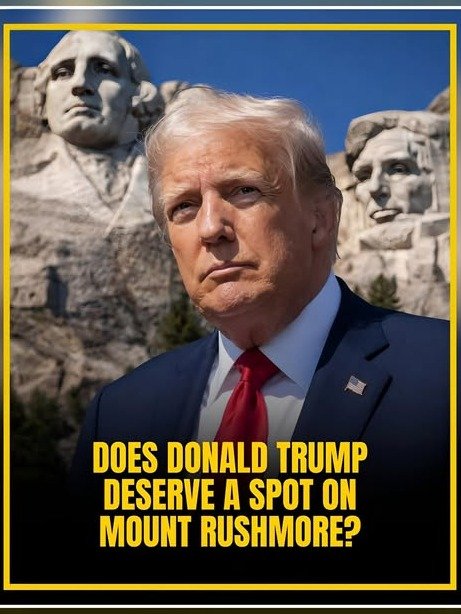
Imagine a mountain, not just sculpted by nature, but by the audacious ambition of human hands, transforming granite into an enduring symbol of a nation’s soul. Perched majestically in South Dakota’s rugged Black Hills, Mount Rushmore isn’t merely a collection of presidential portraits; it’s a testament to an incredible vision, an engineering marvel, and a story fraught with challenges that few truly know.
This colossal monument, instantly recognizable worldwide, draws millions of visitors each year, yet the full scope of its creation and the profound narratives etched into its stone remain largely unexplored. It’s a place where history quite literally stares back at you, but what monumental efforts and controversial decisions truly shaped these famous faces?
The Visionary Behind the Faces
The very idea of carving the faces of prominent American figures into the side of a mountain was nothing short of audacious. The concept originated with South Dakota historian Doane Robinson, who in 1923, sought to create a tourist attraction that would draw people to the state’s rugged beauty. He envisioned carving Western heroes like Lewis and Clark or Native American chiefs into the Needles formations of the Black Hills.
However, the project truly found its monumental scale when the renowned sculptor Gutzon Borglum was brought into the fold. Borglum, already famous for his Confederate Memorial carving at Stone Mountain, Georgia, had a far grander vision. He believed the monument should represent not just regional history, but the birth, growth, and preservation of the United States itself.
Why These Four Presidents?
Borglum’s artistic and political convictions led him to select four specific presidents, each embodying a crucial stage in America’s development. Their faces, towering 60 feet high, were meticulously chosen to reflect the nation’s foundational principles and enduring struggles.
- George Washington: The Father of His Country, representing the birth of the nation and its fight for independence. His leadership established the republic.
- Thomas Jefferson: The author of the Declaration of Independence and the architect of the Louisiana Purchase, symbolizing the nation’s expansion and democratic ideals.
- Theodore Roosevelt: A champion of industrial development, conservation, and the construction of the Panama Canal, embodying America’s rise as a world power and its spirit of innovation.
- Abraham Lincoln: The preserver of the Union during the Civil War, representing the nation’s fight for equality and its ultimate reunification.
These four men, through Borglum’s artistic interpretation, became the granite embodiment of American ideals and resilience, forever gazing eastward over the vast plains they helped shape.
An Engineering Marvel Forged in Stone
The construction of Mount Rushmore was an unprecedented feat of engineering and human endurance, spanning 14 years from 1927 to 1941. Borglum and his team faced immense challenges, not least of which was working on a sheer granite cliff face thousands of feet above the ground, battling harsh weather conditions and the unforgiving nature of the rock itself.
The primary method of carving involved dynamite – a staggering 450,000 tons of rock were removed using this explosive force. Skilled drillers would carefully place charges, shaping the mountain with precision. Following the blasts, carvers known as ‘trimmers’ would descend the mountain in bosun chairs, using pneumatic hammers and chisels to smooth the surfaces and create the intricate details of the presidents’ faces.
The Unsung Heroes of the Mountain
While Gutzon Borglum is rightly credited as the artistic genius, the monument would never have been realized without the dedication of over 400 men and women who toiled under dangerous conditions. These were miners, drillers, carvers, and laborers, many of whom had no prior experience in sculpture but learned on the job.
They worked with primitive safety equipment by today’s standards, suspended by cables and ropes, often in freezing temperatures or blistering heat. Astonishingly, despite the hazardous environment and the constant risk of falling rock or equipment failure, not a single worker died during the entire 14-year construction period, a testament to their skill and caution.
“Mount Rushmore is more than just a memorial. It is a symbol of America’s greatness and a tribute to the spirit of its people.” – Gutzon Borglum
Funding a Monumental Dream
The scale of Mount Rushmore meant its construction was an incredibly expensive undertaking, especially during the Great Depression. The project relied heavily on federal funding, secured through the persistent lobbying efforts of Borglum and South Dakota’s political figures. Over its 14-year span, the total cost amounted to approximately $989,992.32, which, adjusted for inflation, would be tens of millions today.
Despite economic hardships, the project was seen as a source of employment and national pride, offering jobs to hundreds of families when work was scarce. It was a bold investment in a future landmark, a testament to the belief in American ingenuity and perseverance even in challenging times.
Legacy, Symbolism, and Controversy
Today, Mount Rushmore stands as an iconic symbol of American democracy, freedom, and ingenuity. It represents the nation’s foundational principles and the enduring spirit of its leaders. For many, it evokes a powerful sense of patriotism and national identity, drawing visitors from all corners of the globe to witness its grandeur.
However, the monument is not without its controversies. Its location in the Black Hills, sacred land to the Lakota Sioux and other Indigenous peoples, remains a contentious issue. The carving itself is seen by some as an act of desecration, a symbol of conquest rather than national unity. These important discussions add layers of complexity to the monument’s narrative, reminding us that history is often viewed through multiple lenses.
Visiting the Shrine of Democracy
For those who venture to South Dakota, Mount Rushmore offers more than just a view of granite faces. The Mount Rushmore National Memorial features a comprehensive visitor center, the Sculptor’s Studio, and the Presidential Trail, which offers closer views of the carvings.
Evenings often feature a moving lighting ceremony where the monument is illuminated, accompanied by a ranger talk about its history and significance. The surrounding Black Hills also provide a wealth of natural beauty and other attractions, making a trip to Mount Rushmore a truly immersive experience into American history and landscape.
An Enduring Testament
From a historian’s audacious idea to Gutzon Borglum’s grand vision and the tireless efforts of hundreds of workers, Mount Rushmore remains an unparalleled monument. It’s a place where stone tells stories of a nation’s birth, expansion, development, and preservation, inviting reflection on the past and inspiration for the future.
Whether viewed as a triumph of human engineering, a symbol of national pride, or a point of historical contention, its presence in the Black Hills is undeniable. Mount Rushmore continues to inspire awe, spark debate, and serve as a powerful reminder of the complex and compelling tapestry that is American history. It’s more than just rock; it’s a living piece of our collective story, carved for eternity.
About the Author




