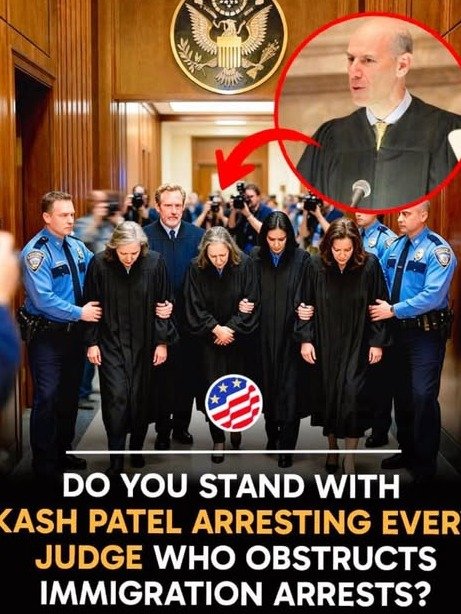
Ever wondered if a judge in your local courthouse holds absolute power, making decisions based solely on state statutes or their personal interpretation? Think again. The American legal system is far more intricate than many realize, built upon a foundational principle that ensures a unified nation: federal law reigns supreme.
It’s a common misconception that state and federal courts operate in entirely separate spheres, each with its own untouchable authority. While they do have distinct jurisdictions, there’s a critical hierarchy at play. Any judge, whether presiding over a small claims court or a high-profile criminal case, is bound by a powerful legal framework that dictates their every move.
Understanding America’s Dual Legal System
The United States operates under a unique dual court system, featuring both federal and state judiciaries. Each level has its own set of laws, courts, and enforcement agencies. State courts typically handle the vast majority of legal disputes, from traffic violations and family law matters to contracts and most criminal offenses, all based on state constitutions and statutes.
Federal courts, on the other hand, deal with cases involving the U.S. Constitution, federal laws (such as those related to immigration, bankruptcy, or intellectual property), treaties, and disputes between states or citizens of different states. This division of labor is designed to ensure efficiency and address different types of legal issues appropriately.
However, this separation isn’t absolute. A fundamental principle enshrined in the U.S. Constitution dictates how these two layers of law interact, particularly when they appear to conflict. This principle is not merely a suggestion; it is a direct command that every judge must follow.
The Unyielding Power of the Supremacy Clause
At the very heart of this legal hierarchy lies Article VI, Clause 2 of the U U.S. Constitution, famously known as the Supremacy Clause. This pivotal clause declares:
“This Constitution, and the Laws of the United States which shall be made in Pursuance thereof; and all Treaties made, or which shall be made, under the Authority of the United States, shall be the supreme Law of the Land; and the Judges in every State shall be bound thereby, any Thing in the Constitution or Laws of any State to the Contrary notwithstanding.”
Let that sink in. The Constitution, federal laws enacted under it, and all U.S. treaties are the “supreme Law of the Land.” This isn’t just a guideline; it’s a non-negotiable directive. It explicitly states that judges in every state are bound by federal law, even if state laws or state constitutions contradict it. There’s simply no room for debate on this point.
This clause was a revolutionary concept at the time of the nation’s founding, designed to prevent the fledgling states from undermining the authority of the newly formed federal government. It ensures a consistent application of justice and prevents a chaotic patchwork of conflicting legal standards across the country.
The Judge’s Sacred Oath: Upholding the Constitution
Beyond the constitutional mandate, every judge, whether federal or state, takes a solemn oath upon assuming office. This oath typically requires them to support and defend the Constitution of the United States. This isn’t just a formality; it’s a binding commitment to uphold the very document that establishes federal law as supreme.
When a judge swears this oath, they are pledging allegiance not just to their state’s laws, but primarily to the overarching framework of the U.S. Constitution, which includes the Supremacy Clause. This means their duty is clear: where state law clashes with federal law, federal law must prevail.
Real-World Implications: Where Federal Law Takes Precedence
Understanding the Supremacy Clause isn’t just academic; it has profound real-world implications for everyday citizens and the legal outcomes of countless cases. Here are just a few examples of how federal law often overrides state statutes:
- Civil Rights: Federal laws prohibiting discrimination based on race, religion, gender, or national origin (e.g., the Civil Rights Act of 1964) supersede any state or local laws that might attempt to permit such discrimination.
- Environmental Protection: Federal environmental regulations, like the Clean Air Act or Clean Water Act, set national standards that states must meet. While states can enact stricter laws, they cannot pass laws that are less stringent than federal requirements.
- Immigration: Immigration policy is almost exclusively a federal domain. State laws that attempt to create their own immigration enforcement schemes or grant rights to immigrants that conflict with federal law are often struck down.
- Bankruptcy: Federal bankruptcy laws provide a uniform system for individuals and businesses to resolve debt. State laws cannot create their own parallel bankruptcy systems or contradict federal provisions.
- Marijuana Legalization: Despite many states legalizing cannabis for medical or recreational use, it remains illegal under federal law (the Controlled Substances Act). While federal enforcement varies, the federal government technically retains the power to prosecute marijuana-related offenses in states where it’s legal, showcasing the ongoing tension and ultimate federal supremacy.
These examples highlight that while states have significant power to govern their own affairs, that power is not absolute. It operates within the boundaries set by the U.S. Constitution and federal statutes.
What Happens When a Judge Ignores Federal Law?
Given the clear constitutional mandate, what occurs if a judge deliberately disregards federal law in favor of a conflicting state law? This is where the system of checks and balances comes into play. It’s not a simple matter of a judge being able to act with impunity.
Firstly, the decision would almost certainly be appealed. Higher courts, including state appellate courts and potentially the U.S. Supreme Court, exist to review lower court decisions for legal errors. If a judge’s ruling violates federal law, it would be overturned on appeal, sending a clear message about the supremacy of federal statutes.
Secondly, a judge who consistently and knowingly defies federal law could face disciplinary action. Judges are subject to codes of conduct and ethical standards. Persistent disregard for established legal principles, particularly constitutional ones, could lead to reprimand, suspension, or even removal from the bench, though such extreme measures are rare and typically reserved for egregious misconduct.
Empowering the Citizen: Why This Knowledge Matters to YOU
Understanding the supremacy of federal law is crucial for every citizen. It empowers you to:
- Know Your Rights: Recognize when a state or local regulation might be infringing upon federally protected rights.
- Question Authority: If you believe a court ruling or a law is unconstitutional or conflicts with federal law, you have the basis to seek legal counsel and challenge it.
- Promote Accountability: Hold your elected officials and appointed judges accountable for upholding the Constitution.
The U.S. legal system, while complex, is designed to provide a framework of justice and order. The Supremacy Clause is a cornerstone of this framework, ensuring that the fundamental laws of the land are respected and applied consistently across all states.
The Bottom Line: No Judge Is Above the Law
So, the answer is an emphatic “absolutely.” Judges in the United States must adhere to federal laws, and those federal laws unequivocally take precedence over state laws when there is a conflict. This isn’t a matter of opinion or judicial discretion; it’s a fundamental principle embedded in the very fabric of our nation’s founding document.
The next time you hear about a legal dispute or a new state law, remember this vital truth: the U.S. Constitution and its federal laws stand as the ultimate authority, ensuring that justice, in its broadest sense, is truly the “supreme Law of the Land.”
About the Author




