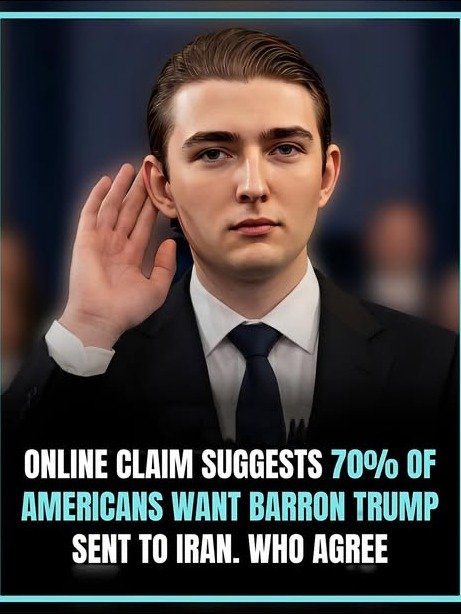
Have you seen it swirling around your social media feeds? A bold, unsettling claim suggesting that a vast majority of Americans are supposedly clamoring for controversial, even drastic, actions against prominent public figures. It pops up, goes viral, and suddenly, everyone is talking about it, making it feel like an undeniable truth. But what if this widespread belief is built on nothing more than thin air?
This isn’t just another fleeting trend; it’s a dangerous phenomenon. Such claims, often lacking any credible, verified evidence, have a profound impact on public discourse, fueling division and eroding trust in ways we’re only beginning to understand. It’s time to peel back the layers and expose the hidden mechanics behind these viral assertions that threaten to reshape our perception of reality.
The Anatomy of a Viral Misconception
Online, information spreads at lightning speed, often without the crucial checks and balances present in traditional media. A provocative statement, especially one that taps into existing frustrations or biases, can rocket across platforms, gaining momentum with every share, like, and comment. The very nature of social media algorithms is designed to amplify engagement, meaning emotionally charged content often gets preferential treatment, regardless of its factual basis.
The claim in question, suggesting widespread public support for ‘controversial actions’ against public figures, is a prime example of this phenomenon. It preys on a collective desire for accountability or, conversely, a deep-seated distrust in those in power. Without robust evidence, these claims transform from mere assertions into perceived realities, shaping opinions and influencing behavior on a massive scale.
Why We Fall for Unverified Claims
It’s easy to point fingers, but the truth is, we all have vulnerabilities when it comes to misinformation. Confirmation bias plays a huge role; we tend to believe information that confirms our existing beliefs, making us less likely to scrutinize its source or veracity. When a claim resonates with our worldview, our critical thinking can take a backseat.
Furthermore, the sheer volume of information online can be overwhelming. In an era of constant content, many people simply don’t have the time or tools to fact-check every piece of information they encounter. This creates a fertile ground for unverified claims to take root and flourish, especially when they come from sources that appear, on the surface, to be trustworthy or widely accepted.
The Chilling Absence of Evidence
Here’s the critical point that often gets lost in the viral noise: for claims of such magnitude – suggesting a majority of an entire nation holds a specific, controversial viewpoint – there is a glaring absence of verified, credible evidence. Reputable public opinion polls employ rigorous methodologies, including random sampling, careful question phrasing, and large sample sizes, to ensure their results are representative of the broader population.
When a viral claim lacks any backing from established polling organizations, academic research, or investigative journalism, it should immediately raise a red flag. Online ‘polls’ or anecdotal evidence from social media comments are not statistically valid representations of public sentiment. They reflect only the opinions of a self-selected group, often an echo chamber of like-minded individuals, and cannot be extrapolated to represent an entire nation.
“In an age of information overload, critical thinking isn’t a luxury; it’s a fundamental survival skill. We must question, verify, and consider the source before we accept any claim as truth.” – Media Literacy Advocate
The Real-World Dangers of Misrepresenting Public Opinion
The consequences of these unverified claims extend far beyond a simple misunderstanding. When a vocal online minority is misrepresented as a national majority, it can have several damaging effects:
- Erosion of Trust: It undermines public trust in legitimate news sources and institutions, making it harder to discern truth from fiction.
- Increased Polarization: It exacerbates societal divisions by creating a false perception of widespread consensus on extreme viewpoints, making compromise and constructive dialogue nearly impossible.
- Impact on Policy and Governance: Policymakers and public figures might mistakenly believe these viral narratives reflect true public will, potentially leading to misguided decisions or an environment of fear.
- Harassment and Intimidation: Public figures and even private citizens can face severe online harassment and real-world threats based on false narratives of public outrage.
These outcomes are not hypothetical; they are already unfolding in our digital landscape. The constant bombardment of unverified claims creates a distorted reality where outrage and sensationalism often trump facts and reason.
Distinguishing Fact from Fiction: Your Role
In this complex information environment, every individual has a crucial role to play in safeguarding truth and promoting informed discourse. Developing strong media literacy skills is no longer optional; it’s essential. Here are some key strategies to employ:
- Source Scrutiny: Always look beyond the headline. Who is reporting this? Is it a reputable news organization with a history of accuracy? Is the original source cited?
- Check for Evidence: Does the claim provide data, statistics, or quotes from credible experts? Are there links to supporting research or studies?
- Consider the Tone: Is the language overly emotional, sensational, or designed to provoke an immediate reaction? This can be a sign of manipulative content.
- Cross-Reference: Check if other reputable, independent news outlets are reporting the same information. If only one obscure source is making a monumental claim, proceed with extreme caution.
- Look for Fact-Checks: Utilize dedicated fact-checking websites (e.g., Snopes, PolitiFact, FactCheck.org) to verify suspicious claims.
Remember, a true majority opinion on a significant issue will almost always be reflected in multiple, independent, and methodologically sound polls. Anything less should be treated as suspect.
Beyond the Algorithms: Reclaiming Our Narrative
The viral claims about public figures are not just isolated incidents; they are symptoms of a larger challenge in our digital age. They highlight the urgent need for a more informed, discerning, and responsible approach to consuming and sharing information online. We cannot allow emotionally charged, unverified assertions to dictate our understanding of public sentiment or to drive wedges between communities.
By actively questioning, verifying, and promoting credible sources, we can begin to push back against the tide of misinformation. It’s about empowering ourselves and others to see beyond the clickbait and sensationalism, fostering a public sphere where genuine dialogue and evidence-based understanding can thrive. Don’t let a viral lie dictate your perception of reality – or the state of our nation.
About the Author




