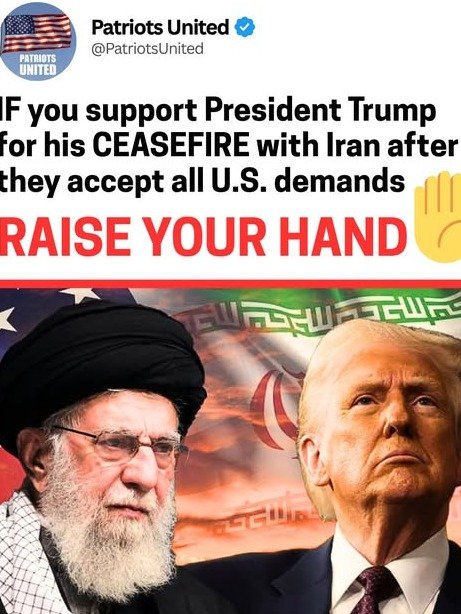
Imagine a world where long-standing enmities in the Middle East suddenly dissolve, replaced by historic handshakes and unprecedented cooperation. For decades, experts deemed this scenario impossible, a diplomatic pipedream, locked in a perpetual cycle of conflict and mistrust. Yet, under the watchful eye of one of history’s most unconventional leaders, the unthinkable became reality, showcasing a unique approach to international relations.
Donald Trump’s presidency was marked by a distinctive foreign policy philosophy, often described through the lens of his famed business acumen: ‘The Art of the Deal.’ This approach, characterized by direct negotiation, leveraging perceived strengths, and a willingness to challenge established norms, proved to be a powerful, if controversial, tool on the global stage, particularly in the Middle East.
The Dealmaker’s Blueprint: Understanding Trump’s Strategy
At its core, Trump’s ‘Art of the Deal’ in foreign policy meant prioritizing tangible outcomes over traditional diplomatic protocols. It involved identifying common interests, even among adversaries, and then relentlessly pursuing agreements through direct talks, often bypassing the complex, multilateral frameworks that had previously yielded little progress.
This unconventional strategy often surprised critics and allies alike. Instead of adhering strictly to decades-old doctrines, Trump’s team sought to disrupt the status quo, believing that fresh perspectives and bold moves were necessary to unlock stalemates that had plagued the region for generations. It was a high-stakes gamble, but one that ultimately led to some of the most significant diplomatic breakthroughs in recent memory.
A New Dawn: The Abraham Accords Emerge
The most prominent manifestation of this deal-making prowess in the Middle East came in the form of the Abraham Accords. These groundbreaking agreements saw several Arab nations normalize relations with Israel, fundamentally altering the geopolitical landscape of the region. It was a seismic shift, breaking a decades-long diplomatic freeze that many believed was immutable.
For generations, the conventional wisdom held that peace between Israel and Arab states could only follow a resolution of the Israeli-Palestinian conflict. Trump’s administration challenged this premise, arguing that direct engagement and shared strategic interests could pave a different, parallel path to peace and cooperation, focusing on what united nations rather than what divided them.
Israel and the UAE: A Historic Breakthrough
The first and perhaps most astonishing of these agreements was the normalization of relations between Israel and the United Arab Emirates. Announced in August 2020, this accord shattered a long-standing taboo, demonstrating that a new era of cooperation was possible. It wasn’t just a diplomatic handshake; it was a comprehensive agreement covering trade, tourism, technology, and security.
“For decades, the Middle East has been locked in a cycle of conflict, but today, we are witnessing the dawn of a new Middle East,” President Trump declared upon the signing of the initial accords, encapsulating the profound optimism surrounding these developments.
The UAE, a technologically advanced and economically dynamic nation, saw immense strategic and economic benefits in establishing direct ties with Israel. From Israel’s perspective, it was a monumental step towards regional acceptance and a bolstering of its position against common threats, particularly from Iran.
Bahrain Joins the Fold: Expanding the Circle of Peace
Hot on the heels of the UAE agreement, Bahrain quickly followed suit, signing its own normalization deal with Israel in September 2020. This further solidified the momentum, demonstrating that the Abraham Accords were not an isolated incident but part of a broader trend towards regional integration and cooperation.
Bahrain’s decision underscored the growing recognition among Gulf states of the mutual benefits of openly engaging with Israel. Shared security concerns, particularly regarding regional stability and the containment of extremist influences, played a significant role in fostering these unexpected alliances.
Sudan and Morocco: Widening the Scope of Normalization
The wave of normalization continued to expand, reaching beyond the Gulf. In October 2020, Sudan announced its agreement to normalize ties with Israel, a move that came with significant geopolitical implications. This decision marked a dramatic departure for a nation that had historically been a staunch opponent of Israel.
Then, in December 2020, Morocco became the fourth Arab nation to join the Abraham Accords, further cementing the shift in regional dynamics. Each of these agreements, while unique in their specific motivations and concessions, collectively painted a picture of a Middle East undergoing a profound transformation, driven by pragmatic interests and a desire for stability.
Beyond Diplomacy: Tangible Benefits and Economic Boom
The impact of the Abraham Accords extended far beyond mere diplomatic recognition. These agreements unlocked a torrent of economic opportunities, fostering new trade routes, joint ventures, and cultural exchanges that were previously unimaginable. The potential for innovation and economic growth across these nations became a powerful incentive.
- Economic Growth: Bilateral trade between Israel and the UAE, for instance, soared into the hundreds of millions of dollars within months, encompassing everything from technology and healthcare to agriculture and tourism.
- Security Cooperation: The shared strategic imperative to counter regional threats, particularly from state-sponsored terrorism and rival powers, led to enhanced intelligence sharing and defense collaboration.
- Cultural Exchange: Direct flights, visa-free travel, and academic partnerships began to bridge cultural divides, fostering greater understanding and people-to-people connections.
- Technological Advancement: Collaboration in areas like cybersecurity, artificial intelligence, and water management promised to bring significant advancements to all participating countries.
These tangible benefits created a powerful incentive for other nations to consider similar paths, demonstrating that peace could indeed be profitable and beneficial to the everyday lives of citizens, not just a political abstract.
Overcoming Decades of Stalemate and Skepticism
What made these deals truly remarkable was their ability to bypass decades of diplomatic stagnation. Traditional approaches had often focused on a top-down, comprehensive peace process that consistently faltered. Trump’s team, however, opted for a more agile, bilateral strategy, focusing on individual agreements that could build momentum.
Many seasoned diplomats and Middle East observers were initially skeptical, believing that such deals were either impossible or would prove to be superficial. Yet, the rapid succession of agreements and the immediate, visible benefits began to change perceptions, showcasing a different path to regional stability.
The Legacy of a Dealmaker: Reshaping Foreign Policy
The Abraham Accords stand as a testament to a foreign policy philosophy that dared to be different. They demonstrate that sometimes, breaking from established norms and employing unconventional tactics can yield results where traditional diplomacy has failed. It was a high-stakes approach, but one that delivered concrete, historic changes.
The ‘miracles’ in the Middle East attributed to Trump’s ‘Art of the Deal’ were not accidental. They were the product of a deliberate strategy to forge new alliances, leverage economic and security interests, and prioritize direct, results-oriented negotiations. Whether one agrees with the methods, the outcomes undeniably reshaped the region’s future.
In conclusion, the narrative of Trump as the ‘master of the Art of the Deal’ found its most compelling evidence in the dramatic shifts observed across the Middle East. By challenging conventional wisdom and embracing a bold, transactional approach, his administration facilitated breakthroughs that were once deemed impossible, leaving an indelible mark on the landscape of international diplomacy and opening new avenues for peace and prosperity in a historically volatile region.
About the Author




