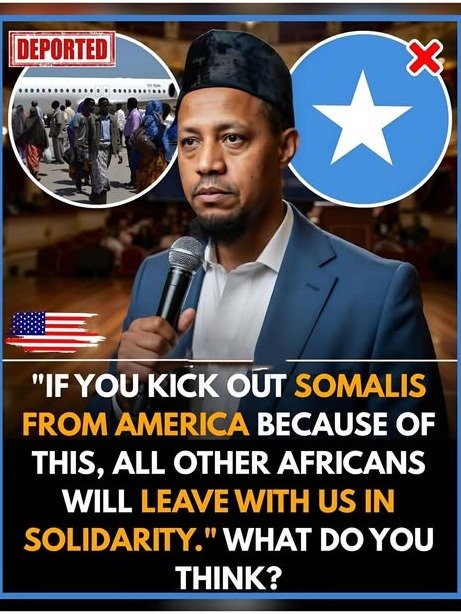
Have you ever considered the profound ripple effect of a community uniting? Recently, conversations surrounding the Somali community in the United States have illuminated a powerful truth: the immense strength found in African solidarity. This isn’t just about one group; it’s about a burgeoning movement that’s redefining what it means to be African in America, creating a force that’s both inspiring and unstoppable.
In a nation often characterized by its diverse melting pot, the African diaspora stands as a vibrant tapestry of cultures, languages, and histories. Yet, beneath this rich diversity lies a shared heritage and a common set of experiences that are increasingly fostering a powerful sense of collective identity and purpose. This burgeoning unity is not merely symbolic; it’s a tangible force driving progress and empowerment across the country.
The Genesis of a Movement: From Diverse Roots to Shared Destiny
The story of African immigration to the United States is as varied as the continent itself. From the earliest arrivals, often under duress, to the waves of immigrants and refugees in recent decades seeking new opportunities or refuge, each group has brought its unique cultural footprint. Despite these distinct origins, a powerful common thread of resilience, ambition, and a desire for a better life has always connected them.
Historically, various African ethnic groups might have focused primarily on supporting their immediate communities. However, the American landscape, with its unique challenges and opportunities, has begun to forge a broader understanding of shared destiny. This recognition has been a catalyst for a more expansive solidarity, transcending national borders and tribal affiliations to embrace a pan-African identity within the diaspora.
Why Solidarity Is More Crucial Than Ever Before
In today’s complex society, the need for collective strength among African communities in America has never been more pressing. Facing systemic challenges like racial discrimination, economic disparities, and the constant pressure of cultural assimilation, individual groups often find their voices amplified and their struggles eased when they stand together. This unity provides a protective shield and a powerful platform for advocacy.
Solidarity offers a robust framework for addressing these challenges head-on. It allows for the pooling of resources, knowledge, and political capital, transforming isolated efforts into a formidable collective movement. When diverse African voices unite, they create a resonant chorus that can no longer be ignored, demanding recognition, respect, and equitable opportunities for all.
Building Bridges: The Many Faces of African Unity
African solidarity in America manifests in numerous powerful ways, each contributing to the overall strength and resilience of the community. These initiatives span various sectors, demonstrating a holistic approach to empowerment and upliftment. They are the bedrock upon which a stronger, more influential diaspora is being built.
- Cultural Preservation and Exchange: Efforts to maintain and celebrate diverse African cultures, languages, and traditions, often through community centers, festivals, and educational programs. This ensures that younger generations remain connected to their heritage while also sharing it with the wider American society.
- Economic Empowerment Initiatives: Collective investments, business networks, and mentorship programs designed to foster entrepreneurship and financial independence within African communities. This creates a strong economic base that benefits everyone.
- Political Advocacy and Representation: United fronts for lobbying local, state, and federal governments on issues critical to African immigrants and their descendants. This includes voter registration drives, political education, and supporting candidates who champion their cause.
- Social Support Networks: Creating safe spaces, mutual aid organizations, and mental health resources that address the unique social and psychological needs of African immigrants and their families, fostering a sense of belonging and community.
- Educational Advancement: Scholarship programs, tutoring, and mentoring initiatives aimed at ensuring academic success and access to higher education for African youth, empowering the next generation of leaders.
The Somali Community: A Beacon of Collective Strength
The recent conversations around the Somali community in the U.S. serve as a compelling example of this burgeoning solidarity in action. Faced with unique challenges related to refugee resettlement, cultural adaptation, and economic integration, the Somali community has often leveraged its internal unity to build strong support systems and advocate for its needs. This internal strength then becomes a foundation for broader alliances.
“What we see in the Somali community is a microcosm of what’s possible when people with shared experiences commit to uplifting one another. Their journey from displacement to significant cultural and economic contributions in America is a testament to the power of collective action and unwavering solidarity.”
This community’s ability to organize, establish community-led organizations, and maintain strong cultural ties while navigating a new society offers valuable lessons for other African groups. Their journey underscores that even in the face of adversity, unity can pave the way for remarkable progress and integration.
Beyond Borders: Pan-Africanism in the Diaspora
The concept of African solidarity extends beyond individual ethnic groups within the U.S. It embodies a modern form of Pan-Africanism, recognizing the interconnectedness of all people of African descent, whether from the continent or scattered across the globe. This broader vision seeks to harness the collective power of the entire diaspora.
This means fostering connections not only between different African immigrant groups but also with African Americans whose ancestors arrived centuries ago. Recognizing shared history, struggles, and aspirations creates a more expansive and potent movement for justice, equality, and prosperity. It’s about recognizing that a win for one segment of the African diaspora is a win for all.
The Tangible Benefits of a United Front
The impact of this growing solidarity is multifaceted and profoundly beneficial. When African communities unite, they unlock a cascade of positive outcomes that strengthen individuals, families, and the broader society. The ripple effect of this unity is felt across various aspects of life.
Firstly, it significantly boosts political influence. A united African voice carries far more weight in policy debates and elections than fragmented ones. Secondly, it fosters greater economic stability and growth, as shared resources and networks create more opportunities. Thirdly, it reinforces cultural pride and identity, providing a strong sense of belonging and combating the pressures of assimilation.
Moreover, solidarity enhances social well-being by creating robust support systems that address mental health, educational disparities, and intergenerational challenges. It also empowers communities to challenge negative stereotypes and promote a more accurate, positive narrative of African contributions to American society.
Navigating the Path Forward: Sustaining and Strengthening Unity
While the momentum for African solidarity is strong, sustaining and strengthening it requires continuous effort. It involves actively bridging divides, fostering intergenerational dialogue, and educating younger generations about the importance of their shared heritage and collective power. The work is ongoing, but the rewards are immeasurable.
Leaders and community organizers must continue to create inclusive platforms where different African groups can interact, share experiences, and collaborate on common goals. Investing in youth leadership programs, cultural exchange initiatives, and joint advocacy campaigns will be crucial for building a lasting legacy of unity.
The Future is United: A Call to Action
The power of African solidarity in America is not just a concept; it’s a living, breathing movement that is quietly, yet powerfully, transforming the landscape. From the focused efforts within communities like the Somalis to the broader embrace of Pan-Africanism, a new era of collective strength is dawning. This is an invitation to recognize, celebrate, and actively participate in this profound journey.
The future of African communities in America is inextricably linked to their ability to stand together. By embracing this unity, they are not only securing their own success but also enriching the fabric of American society as a whole. Don’t underestimate the power of a united front – it’s the key to unlocking unprecedented opportunities and building a legacy of strength for generations to come.
About the Author




