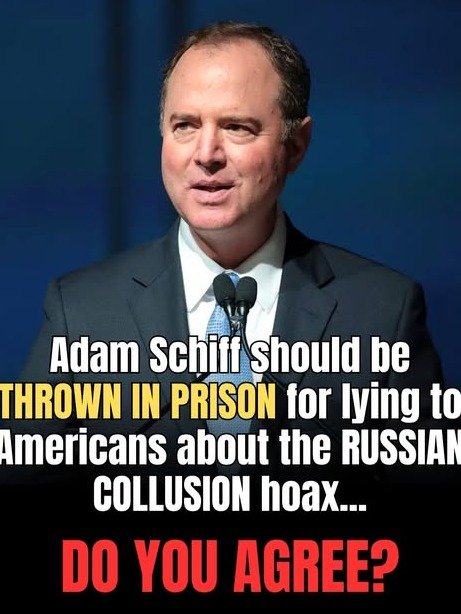
The name Adam Schiff immediately conjures images of a political firestorm that gripped America for years: the Russia collusion investigation. Few figures became as central, as vocal, and as polarizing during this tumultuous period as the California Congressman. To his staunch allies, he was an unwavering defender of democracy, a vigilant guardian against foreign interference, and a courageous voice holding power to account.
Yet, to his fierce critics, Schiff was the architect of a politically motivated narrative, a purveyor of unverified claims, and a symbol of partisan overreach. The debate over his role, his pronouncements, and the ultimate findings of various investigations continues to rage, raising profound questions about accountability in modern American politics. Was he a prophet warning of grave dangers, or a partisan pushing a flawed agenda? The answer, it seems, depends entirely on who you ask.
The Genesis of a Political Firestorm: Russia and the 2016 Election
The saga began in the shadow of the 2016 presidential election, with intelligence agencies concluding that Russia had actively interfered to sway the outcome. This revelation sent shockwaves through the American political establishment, igniting a widespread demand for answers and accountability. The question quickly became: to what extent, if any, did members of the Trump campaign collude with Russian efforts?
As the House Intelligence Committee’s ranking member, and later its chairman, Adam Schiff quickly emerged as a leading voice in the Democratic Party’s pursuit of these answers. His public appearances became ubiquitous, often delivering somber warnings and detailed analyses of the intelligence landscape, painting a picture of a serious threat to national security and democratic integrity.
Adam Schiff: The Prosecutor-in-Chief for the Opposition
Schiff’s role was not merely that of a legislator; he became, in many ways, the de facto public prosecutor for the opposition. He articulated complex intelligence findings in accessible terms, often appearing on cable news to explain the gravity of the situation and the potential implications of Russian meddling. His command of detail and his often dramatic delivery captivated audiences, drawing both fervent support and intense scorn.
He frequently spoke of compelling evidence, suggesting a broader conspiracy than what was immediately apparent to the public. These pronouncements fueled the narrative of a deep-seated plot, reinforcing the belief among his supporters that the truth was being deliberately obscured by the Trump administration and its allies.
“We can see evidence of collusion in plain sight.” – Adam Schiff, frequently stated during the early phases of the investigation.
This steadfast conviction, publicly expressed and consistently maintained, solidified his image as a champion of truth in the eyes of his base. They saw him as a bulwark against what they perceived as an administration unwilling to confront or even acknowledge the seriousness of foreign interference.
The Allies’ Perspective: A Defender of Democracy
For those who stood by Adam Schiff, his actions were not just justified but absolutely essential. They viewed him as a statesman who understood the profound threat posed by foreign adversaries attempting to subvert American elections. His supporters often highlighted his background as a prosecutor, believing it gave him a unique insight into the investigative process and the ability to discern patterns of illicit activity.
Key arguments from his allies included:
- Protecting Electoral Integrity: Schiff was seen as safeguarding the very foundation of American democracy by relentlessly pursuing those who sought to undermine free and fair elections.
- Holding Power Accountable: In an era of intense political polarization, his proponents believed he was one of the few willing to challenge executive power and demand transparency from the highest levels of government.
- Articulate Communication: His ability to distill complex intelligence reports into understandable narratives was praised, making the public aware of critical national security issues.
- Unwavering Resolve: Despite constant attacks and pressure, Schiff remained steadfast in his pursuit of answers, seen as a sign of his commitment to justice over political expediency.
These perspectives painted a picture of a dedicated public servant, driven by a deep sense of duty to his country and its institutions, often at great personal and political cost.
The Critics’ Counter-Narrative: Overreach and Partisan Politics
On the other side of the political divide, Adam Schiff became a lightning rod for criticism, embodying what many conservatives and Trump supporters viewed as a politically motivated witch hunt. His detractors accused him of exaggerating evidence, selectively leaking information, and pursuing an investigation driven more by a desire to damage a presidency than by a genuine search for truth.
The eventual release of the Mueller Report, which detailed extensive Russian interference but found insufficient evidence to establish a criminal conspiracy between the Trump campaign and Russia, became a crucial point of contention. Critics argued that Schiff had overpromised and under-delivered, leading the public to believe in a grand conspiracy that ultimately wasn’t substantiated by the Special Counsel’s findings.
The Accountability Debate Intensifies: Post-Mueller Report
The conclusion of the Mueller investigation, while detailing numerous contacts between Trump campaign officials and Russian individuals, did not establish a criminal conspiracy or coordination. This outcome significantly amplified the calls for accountability directed at Schiff. Critics argued that his public statements had created an unrealistic expectation of widespread collusion, and that he should be held responsible for what they perceived as misleading the American public.
They pointed to specific instances where Schiff stated he had seen
About the Author




