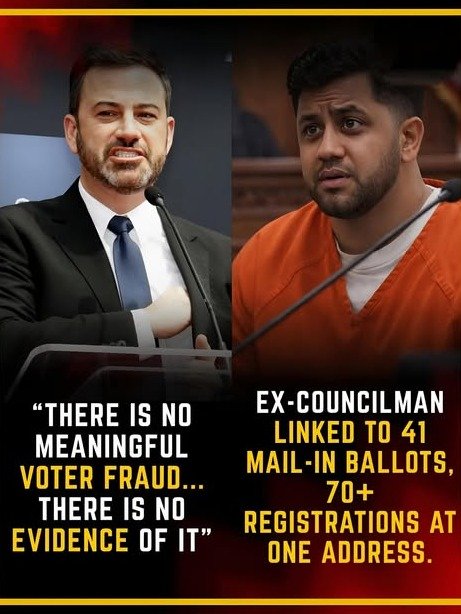
In an era where trust in institutions is constantly challenged, few topics spark as much heated debate as the integrity of our elections. Across the nation, and particularly in California, questions surrounding the security of ballots and the accuracy of voter registrations have emerged, leaving many citizens wondering: is our democratic process truly protected?
The sheer scale and complexity of California’s election system, combined with a history of close contests and high stakes, often bring allegations of voter fraud into sharp focus. While election officials consistently assert the robustness of their safeguards, the public discourse is frequently punctuated by concerns that demand careful examination and transparent answers.
The Shifting Sands of Election Integrity
The concept of election integrity forms the bedrock of any democratic society. When doubts arise about the fairness or accuracy of an election, the fundamental trust between citizens and their government begins to erode. This is why investigating every credible claim, no matter how small, becomes paramount.
It’s not just about proving or disproving widespread fraud; it’s about maintaining public confidence that every legitimate vote counts and that illegal votes do not. The discussion around voter fraud is often highly politicized, yet at its core, it’s a non-partisan pursuit of electoral accuracy and transparency.
Defining the Devil in the Details: What is “Voter Fraud”?
Before diving into specific cases, it’s crucial to understand what constitutes “voter fraud.” This term is often used broadly, but legally, it refers to intentional criminal acts designed to corrupt the electoral process. It’s distinct from administrative errors or voter irregularities, which are typically unintentional mistakes.
- Voter Impersonation: A person pretending to be another registered voter.
- Double Voting: A person casting more than one ballot in the same election.
- Illegal Registration: Registering to vote when ineligible (e.g., non-citizen, felon in certain states).
- Ballot Harvesting/Tampering: Illegally collecting and submitting ballots, or altering them.
- Bribery/Coercion: Offering incentives or threatening voters to influence their vote.
These acts, when proven, carry severe legal consequences. However, distinguishing between genuine fraud and simple human error or administrative oversight is a critical part of any investigation.
California’s Unique Election Landscape and Emerging Concerns
California, with its vast population and diverse demographics, presents unique challenges for election administration. The state’s widespread adoption of vote-by-mail, where every registered voter automatically receives a ballot, also introduces different considerations compared to states relying primarily on in-person voting.
While vote-by-mail is designed for convenience and accessibility, it has also become a focal point for concerns regarding ballot security, signature verification processes, and the potential for unauthorized ballot collection. These factors, combined with the sheer volume of ballots, naturally lead to increased scrutiny and, at times, allegations of impropriety.
Specific Allegations and Scrutiny in the Golden State
Over the years, various allegations and documented instances have surfaced in California that have raised legitimate questions about the integrity of its voter rolls and ballot handling. These are not always cases of widespread, organized fraud, but they do highlight vulnerabilities that election officials are continually working to address.
One recurring concern involves voter registration anomalies. Reports have surfaced about individuals being registered in multiple counties or even multiple states, deceased individuals remaining on voter rolls, or, in rare cases, non-citizens appearing on registration lists. While often attributed to outdated databases or clerical errors, these instances fuel public skepticism.
“Maintaining clean and accurate voter rolls is a perpetual challenge for election administrators, and it’s a critical component of ensuring public confidence in our elections.”
Another area of contention revolves around “ballot harvesting,” known in California as “ballot collection.” While legal in the state for a designated individual to collect and turn in ballots from up to three voters, concerns persist about the potential for undue influence or manipulation when ballots are handled by third parties outside of official election channels. Critics argue that even legal ballot collection can open doors to coercion or fraud.
Furthermore, issues with signature verification on mail-in ballots have occasionally been highlighted. While election officials employ trained personnel and sophisticated software to match signatures, the volume can be immense, leading to questions about the thoroughness and consistency of the process. Cases where ballots are rejected due to mismatched signatures, or conversely, where questionable signatures are accepted, contribute to public debate.
The Official Response: Safeguards and Investigations
California election officials are acutely aware of these concerns and routinely emphasize the robust safeguards in place. They point to multi-layered security protocols designed to prevent fraud and ensure accuracy. These measures include:
- Voter Registration Databases: Utilizing systems like the Statewide Voter Registration System (SVRS) and the Electronic Registration Information Center (ERIC) to cross-reference voter data, identify duplicates, and update records.
- Post-Election Audits: Conducting mandatory manual and risk-limiting audits of ballots to verify machine counts and ensure accuracy.
- Chain of Custody: Strict protocols for handling, transporting, and storing ballots at every stage of the election process.
- Penalty for Fraud: Clearly defined legal penalties for anyone caught attempting or committing voter fraud, serving as a deterrent.
- Voter Roll Maintenance: Regular efforts to remove deceased voters, those who have moved out of state, or those who have been declared ineligible.
These systems are continuously reviewed and updated, often in response to new technologies or emerging challenges. However, the sheer volume of data and the dynamic nature of the electorate mean that perfect, error-free voter rolls are an aspirational goal rather than a constant reality.
The Human Element: Errors vs. Intentional Misconduct
It’s important to differentiate between administrative errors and intentional criminal acts. Many of the “voter fraud” headlines often stem from clerical mistakes, data entry errors, or voters simply not updating their registration after moving.
For instance, a deceased person may remain on the voter roll for a period until official death records are processed and cross-referenced. Similarly, a voter might accidentally receive two ballots if their registration was duplicated due to a name change or an address error. While these are legitimate issues that need addressing, they are rarely indicative of a deliberate attempt to subvert an election.
Erosion of Trust: The Real Cost of Unanswered Questions
Regardless of the scale of actual fraud, the mere existence of allegations and unanswered questions can have a profound impact on public trust. When citizens doubt the integrity of the ballot box, their faith in the entire democratic system wavers. This can lead to decreased voter participation, increased political polarization, and a general sense of cynicism.
Transparency from election officials is therefore crucial. Providing clear, accessible information about how elections are run, how safeguards work, and how allegations are investigated can help rebuild and sustain public confidence. Open communication, rather than dismissive silence, is key to fostering an informed and engaged electorate.
Empowering the Electorate: How to Stay Informed and Act
As citizens, we all have a role to play in upholding election integrity. Staying informed and actively participating in the process can help ensure that our democracy remains robust and trustworthy. Here’s how you can contribute:
- Verify Your Registration: Regularly check your voter registration status and ensure your information is current on your county election website.
- Report Concerns: If you witness or suspect any illegal activity related to voting or registration, report it immediately to your county election office or the Secretary of State’s office.
- Seek Credible Information: Be critical of information shared on social media. Rely on official sources (election officials, non-partisan fact-checking organizations) for election-related news.
- Volunteer: Consider becoming a poll worker or election observer. Direct involvement provides firsthand insight into the process and helps ensure fair elections.
Your vigilance and engagement are powerful tools in safeguarding the electoral process against both genuine fraud and the spread of misinformation.
Moving Forward: The Path to Greater Confidence
The debate surrounding voter fraud in California, and across the nation, is unlikely to disappear. It’s a complex issue intertwined with legal frameworks, technological advancements, human behavior, and political narratives. What remains constant is the fundamental importance of secure and fair elections.
Ultimately, the goal is to build and maintain a system where every eligible voter can cast their ballot with confidence, knowing that their vote will be counted accurately and that the results truly reflect the will of the people. This requires ongoing vigilance, continuous improvement of election systems, and a commitment from all stakeholders to prioritize facts and transparency over partisan rhetoric.
Staying informed, engaging with official sources, and holding election administrators accountable are not just civic duties; they are essential actions for preserving the health and vitality of our democratic institutions. The questions surrounding voter fraud in California are not just about isolated incidents; they are about the collective trust we place in the very foundation of our self-governance.
About the Author




