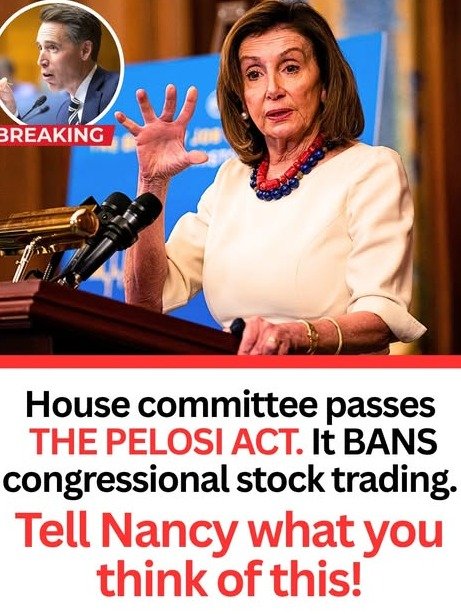
What if the very systems designed to protect and serve us were secretly eroding from within? Imagine a world where the rules apply to some, but not to others, especially those in positions of power. This isn’t just a hypothetical scenario; it’s the insidious reality of unchecked official corruption, a silent thief that quietly steals from every citizen, every day.
The phrase ‘holding officials accountable’ often feels like a distant ideal, something discussed in headlines but rarely seen in action. Yet, its absence is a powerful, destructive force, quietly undermining our societies, economies, and trust in the institutions we rely on. It’s time we shine a spotlight on this pervasive issue and understand why vigilance is not just important, but absolutely critical for our collective future.
The Insidious Nature of Official Corruption
Official corruption isn’t always about a briefcase full of cash exchanging hands in a dark alley. While that certainly happens, it often manifests in far more subtle, yet equally damaging, ways. It can be the awarding of contracts to unqualified friends, the bending of regulations for personal gain, or the misuse of public resources for private enrichment.
These actions, whether overt or covert, represent a fundamental betrayal of public trust. When individuals in power prioritize personal gain over the well-being of the populace they swore to serve, the entire fabric of society begins to fray. The consequences ripple outwards, affecting everything from public services to the very ideals of justice and fairness.
More Than Just Money: The Devastating Ripple Effect
The immediate thought when we hear ‘corruption’ is often financial loss. And yes, billions, if not trillions, of dollars are siphoned away globally each year due to corrupt practices. This money could have funded schools, hospitals, infrastructure projects, or supported vital social programs.
But the damage extends far beyond mere monetary figures. Corruption distorts markets, stifles innovation, and discourages investment, creating an uneven playing field where merit takes a backseat to connections. This economic fallout directly impacts ordinary citizens through higher taxes, poorer services, and fewer opportunities.
“Corruption is a cancer: a cancer that eats away at a country’s development, at its institutions and at the well-being of its citizens.” – Ban Ki-moon
Imagine a bridge that crumbles prematurely because the materials were substandard, chosen not for quality but because a corrupt official received a kickback. Or a hospital lacking essential equipment because funds were diverted. These aren’t abstract problems; they are real, tangible threats to public safety and quality of life.
Eroding the Foundations of Democracy and Justice
Perhaps the most dangerous aspect of unchecked corruption is its ability to undermine the very pillars of democracy and the rule of law. When officials are seen as above the law, or when justice can be bought, the public loses faith in the system itself. This erosion of trust is incredibly difficult to rebuild once lost.
A justice system compromised by corruption ceases to be a guarantor of fairness; it becomes another tool for the powerful. Elections can be manipulated, laws can be crafted to benefit specific interests rather than the common good, and accountability becomes a myth. This creates a cycle where the powerful consolidate more power, further entrenching corrupt practices.
- Loss of Public Trust: Citizens become cynical and disengaged.
- Weakened Institutions: Government bodies lose their effectiveness and legitimacy.
- Unequal Justice: The law applies differently to different people.
- Authoritarian Tendencies: Corruption can pave the way for authoritarian regimes.
The Cost to Every Citizen: A Personal Burden
It’s easy to think of corruption as a distant problem, something happening in the halls of power that doesn’t directly touch our lives. But the reality is starkly different. Every instance of corruption has a direct or indirect cost that is ultimately borne by every single citizen.
From paying higher prices for goods and services due to rigged markets, to enduring substandard public facilities, to experiencing delays in essential government processes because of bureaucratic inefficiencies fueled by bribery – the impact is pervasive. It means less money in your pocket, less reliable services, and a society that feels fundamentally unfair.
The Power of Public Scrutiny: Why Your Voice Matters
So, what can be done? The answer lies in relentless, unwavering public scrutiny and a collective demand for accountability. Corrupt officials thrive in the shadows, where their actions go unnoticed and unchallenged. Bringing their deeds into the light is the first, most crucial step in dismantling their power.
This is where the media, independent investigative journalists, and courageous whistleblowers play an indispensable role. They are often the first line of defense, willing to dig deep and expose uncomfortable truths, even at great personal risk. Supporting independent journalism and protecting whistleblowers are vital aspects of any anti-corruption effort.
Mechanisms of Accountability: Tools for Change
Holding officials accountable isn’t just about public outcry; it also requires robust legal and institutional frameworks. Strong anti-corruption laws, independent judicial systems, and dedicated oversight bodies are essential. These mechanisms provide the teeth necessary to investigate, prosecute, and penalize corrupt behavior.
Elections, too, are a fundamental mechanism of accountability. Citizens have the power to vote out officials who have betrayed their trust and elect those committed to transparency and integrity. This requires informed voters who prioritize integrity when casting their ballots, refusing to be swayed by empty promises or divisive rhetoric.
The Uphill Battle: Challenges in the Fight Against Corruption
Fighting corruption is never easy. Those who benefit from the system are often powerful, well-connected, and willing to go to great lengths to protect their interests. They may employ tactics such as intimidation, smear campaigns, or even violence to silence critics and maintain their illicit gains.
Furthermore, corruption can be deeply embedded within cultural norms or political systems, making it incredibly difficult to root out. It requires sustained effort, political will, and the collective courage of citizens, civil society organizations, and ethical leaders to challenge the status quo.
Building a Culture of Transparency and Integrity
Beyond punitive measures, there’s a need to proactively cultivate a culture of transparency and integrity within government and public service. This involves implementing clear ethical codes, promoting merit-based appointments, fostering open data initiatives, and ensuring easy access to public information.
Education also plays a crucial role. By raising awareness about the costs of corruption and the importance of ethical governance from a young age, societies can instill values that make corruption less likely to take root in future generations. It’s about prevention as much as it is about prosecution.
Your Role in the Fight: What Can You Do?
You might feel overwhelmed, wondering what one person can do against such a formidable foe. But collective action starts with individual commitment. Every voice, every action, no matter how small, contributes to the larger movement for accountability.
- Stay Informed: Follow reliable news sources and understand the issues.
- Speak Up: Report suspected corruption through official channels or to trusted media.
- Support Watchdogs: Donate to or volunteer with organizations fighting corruption.
- Demand Transparency: Advocate for open government policies in your community.
- Vote Wisely: Elect leaders with a proven track record of integrity.
- Share Knowledge: Educate your friends and family about the importance of accountability.
The fight against corruption is not a one-time event; it’s an ongoing struggle that requires constant vigilance and unwavering commitment. We must continue to hold corrupt officials accountable, not just because it’s the right thing to do, but because our collective future, our prosperity, and the very health of our democracies depend on it. Silence is not an option when the future is at stake.
About the Author




