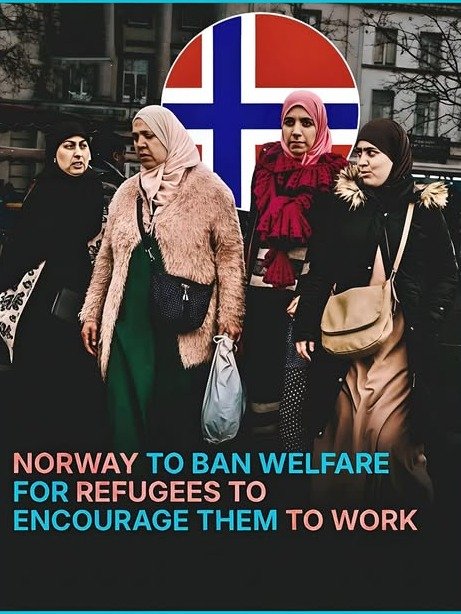
Imagine a nation globally celebrated for its robust social safety net, a place where citizens are cared for from cradle to grave with unparalleled support. Now, picture that very system facing its most significant overhaul in decades. This isn’t a hypothetical scenario; it’s the pressing reality unfolding right now in Norway, and the proposed changes could profoundly impact millions of lives and redefine the essence of its renowned welfare state.
For years, Norway has stood as a beacon of social democracy, boasting comprehensive healthcare, generous unemployment benefits, strong pensions, and extensive support for families. This model has been a cornerstone of its prosperity and social cohesion. However, whispers of adjustments are growing louder, sparking an intense national debate about the sustainability and future direction of this iconic system.
The Shifting Tides: Why Now?
Even in one of the world’s wealthiest nations, fueled by oil and gas revenues, the welfare state is not immune to modern pressures. Several critical factors are pushing Norway’s policymakers to reconsider the status quo, prompting a deep dive into the long-term viability of its current structure.
One of the most significant challenges is Norway’s rapidly aging population. Like many Western countries, Norway faces a demographic shift where fewer working-age individuals are supporting a growing number of retirees. This imbalance places immense strain on pension funds and healthcare services, demanding innovative solutions to maintain fiscal responsibility without compromising care.
Furthermore, global economic uncertainties and the long-term outlook for oil prices, though currently strong, introduce an element of caution. While Norway has a substantial sovereign wealth fund, there’s a growing awareness that future generations cannot rely solely on dwindling natural resources to finance an ever-expanding welfare state. The need for a more diversified and sustainable economic base is becoming increasingly apparent.
What’s on the Table? Key Areas Under Scrutiny
The proposed adjustments are not about dismantling the welfare state but rather about making it more adaptable and sustainable for the future. Various aspects of the system are being scrutinized, each with its own set of potential implications and passionate arguments from both sides of the political spectrum.
- Unemployment Benefits: Discussions include tightening eligibility criteria, potentially shortening the duration of benefits, and placing a greater emphasis on active job seeking and re-skilling programs. The goal is to encourage faster re-entry into the workforce.
- Disability Benefits: There’s a push to review the assessment process for disability, aiming to ensure that those who can work, even partially, are encouraged and supported to do so. Rehabilitation and integration into the labor market are key focus areas.
- Pensions: With an aging population, adjustments to the retirement age and the calculation of pension benefits are inevitable topics. The aim is to ensure the system remains solvent for future generations without placing an undue burden on current workers.
- Healthcare Efficiency: While universal healthcare remains a core principle, there are ongoing debates about increasing efficiency, optimizing resource allocation, and potentially exploring limited private sector involvement in specific non-critical services to reduce wait times and improve access.
- Integration Policies: For new arrivals, there’s a growing discussion about linking welfare benefits more directly to active participation in language courses, vocational training, and integration programs, ensuring that everyone contributes to society.
The Case for Change: Fiscal Responsibility Meets Future Vision
Proponents of reform argue that these adjustments are not just necessary but crucial for safeguarding Norway’s welfare state for the long haul. They emphasize the importance of fiscal sustainability, ensuring that the system doesn’t become a burden on future generations.
“We must ensure that our welfare state remains robust and fair for our children and grandchildren,” stated a prominent government official during a recent debate. “This means making difficult but necessary choices today to secure tomorrow’s prosperity.”
Another key argument centers on labor force participation. By making welfare benefits more conditional and focusing on activation, policymakers hope to incentivize more people to enter or remain in the workforce. This not only boosts economic productivity but also increases the tax base, which in turn finances the welfare system.
There’s also a strong belief that encouraging self-reliance and reducing long-term dependency on welfare can be empowering for individuals. By investing in training and support for re-entry into employment, the reforms aim to foster a more dynamic and inclusive labor market where everyone has the opportunity to contribute.
The Counter-Arguments: Protecting the Vulnerable and Upholding Solidarity
However, these proposed changes are not without significant opposition. Critics, often from left-leaning parties and social organizations, voice deep concerns about the potential impact on Norway’s most vulnerable citizens. They argue that any significant cuts or stricter conditions could erode the fundamental principles of social solidarity and universal access that define the Norwegian model.
Many fear that tightening eligibility for benefits, particularly for unemployment or disability, could push more people into poverty or make it harder for those genuinely unable to work to access the support they need. “Our welfare state is a promise to every citizen that they will not be left behind,” asserted a spokesperson for a leading social justice group. “We must not sacrifice this promise at the altar of austerity.”
Concerns also extend to the potential for increased inequality. Critics worry that a more conditional system could create a two-tiered society, where those with strong networks and skills thrive, while others struggle to navigate complex new rules and stricter requirements, leading to greater social stratification.
A Nation Divided: The Political and Public Landscape
The debate over welfare reform has become a central battleground in Norwegian politics. Center-right parties, often advocating for greater individual responsibility and fiscal prudence, tend to champion these reforms. They highlight the long-term sustainability aspect and the need to adapt to changing demographics.
Conversely, center-left parties and trade unions typically resist significant cuts, emphasizing the importance of collective responsibility, social equality, and protecting the social safety net. They often point to Norway’s wealth and argue that there are alternative ways to ensure sustainability without compromising core welfare principles.
Public opinion is equally divided, reflecting the complex nature of the issue. While many Norwegians acknowledge the need for reform to ensure the system’s longevity, there is also widespread apprehension about any changes that might weaken the social protections they have come to rely upon. The discussion is often highly emotional, touching upon core values of fairness, community, and national identity.
The Path Forward: Balancing Ideals and Realities
As Norway navigates these challenging discussions, the path forward will undoubtedly involve complex negotiations and potential compromises. The goal is to strike a delicate balance: ensuring the long-term fiscal sustainability of the welfare state while upholding its fundamental commitment to social solidarity and protecting its most vulnerable citizens.
The outcome of these debates will not only shape Norway’s economic future but also its very identity as a nation. It will determine how a society renowned for its progressive values adapts to global challenges, demonstrating whether it can evolve its cherished welfare model without sacrificing the principles that have made it a global example. The world will be watching closely as Norway grapples with these profound questions, seeking a blueprint for a sustainable and equitable future.
About the Author




