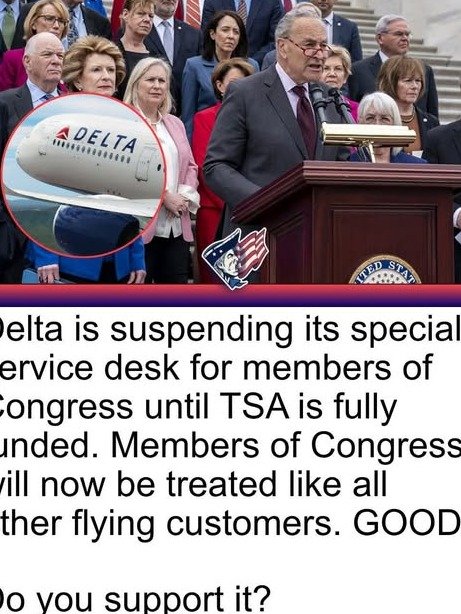
Imagine dedicating your life to public service, ensuring the safety and security of millions, only to find yourself on the brink of financial ruin. This isn’t a hypothetical scenario for countless essential federal employees, particularly those on the front lines like our dedicated TSA agents. While they stand vigilant, protecting our skies and borders, many have faced unimaginable hardships, resorting to desperate measures just to keep their families afloat.
The stark reality is that during periods of political gridlock and government shutdowns, these vital workers are often left without pay, their livelihoods sacrificed at the altar of partisan disputes. The stories are heartbreaking: agents selling their plasma for a few extra dollars, struggling to pay rent, or even contemplating the most extreme measures out of sheer despair. Yet, in a jarring contrast, the very politicians responsible for these crises continue to enjoy their full salaries and lavish perks, seemingly untouched by the chaos they create.
The Harsh Reality on the Frontlines: A Desperate Fight for Survival
For those who work tirelessly to safeguard our nation’s transportation hubs, the phrase “essential worker” often feels like a cruel irony. During government shutdowns, TSA agents are mandated to report for duty, their presence critical for national security and the smooth flow of travel. However, their essential status doesn’t always come with essential paychecks. This leaves them in an agonizing position: work without knowing when their next pay will arrive, or abandon their posts and compromise public safety.
The financial strain on these families is immense. Many TSA agents, who earn modest salaries to begin with, live paycheck to paycheck. When those checks stop, the domino effect is catastrophic. Rent payments become overdue, utility bills pile up, and the cost of groceries becomes a daily anxiety. It’s a relentless pressure cooker that forces individuals to make unthinkable choices, choices that no dedicated public servant should ever have to face.
“We show up every day, we do our job, we protect the American people, and we’re not getting paid,” one TSA agent anonymously shared during a past shutdown. “It’s a slap in the face. How are we supposed to live?”
Selling Plasma and Beyond: The Unseen Sacrifices
The stories of TSA agents selling plasma to make ends meet are not isolated incidents; they are a tragic testament to a systemic failure. Donating plasma, a time-consuming and physically draining process, offers a small sum of money—often just enough for a tank of gas or a few days’ worth of food. This isn’t a choice made lightly; it’s a desperate measure born out of necessity when all other options have been exhausted.
- Missed Rent Payments: Eviction notices become a terrifying reality.
- Empty Refrigerators: Families struggle to put nutritious meals on the table.
- Skipped Medical Appointments: Health suffers as preventative care becomes unaffordable.
- Mounting Debt: Credit card balances skyrocket as agents try to cover basic necessities.
Beyond the financial toll, the psychological impact is profound. The constant worry about providing for one’s family, coupled with the pressure of a high-stress job, can lead to severe mental health challenges. The mere mention of essential workers contemplating suicide due to financial despair is a chilling indictment of a system that fails its most dedicated servants, leaving them feeling expendable and forgotten.
A Tale of Two Realities: Congress’s Unaffected Status
While frontline federal workers endure such dire circumstances, members of Congress operate in an entirely different sphere. During government shutdowns, a legislative loophole often ensures that elected officials continue to receive their substantial salaries and benefits without interruption. This stark contrast highlights a profound disconnect between those who govern and those who serve.
Beyond their regular pay, members of Congress also benefit from a range of perks, often referred to as “VIP treatment.” This can include access to exclusive facilities, robust healthcare plans, generous retirement benefits, and travel allowances. While these benefits are part of their compensation package, their uninterrupted access during periods of national crisis for federal employees underscores a glaring inequality.
This disparity isn’t just about money; it’s about dignity and respect. It sends a message that some lives and livelihoods are more valuable than others, and that the struggles of essential workers are secondary to political maneuvering. The very people who are meant to represent the interests of all Americans seem to be living in a different reality, shielded from the consequences of their own actions and inactions.
The Human Cost of Political Standoffs
Government shutdowns are not mere political games; they have real, devastating human consequences. The emotional and psychological toll on federal workers extends far beyond the immediate financial stress. It erodes morale, fosters cynicism, and can lead to a sense of betrayal among those who have dedicated their careers to public service.
Imagine the stress of going to work every day, knowing you won’t be paid, while still being expected to perform at peak levels in a high-stakes environment. This level of anxiety can impact job performance, family life, and overall well-being. The ripple effect extends to their families, as children witness their parents’ struggles and communities feel the economic pinch.
“It’s not just about the missed paychecks; it’s about the feeling that you’re disposable,” expressed a long-serving federal employee. “We’re told we’re essential, but treated like we’re invisible when it comes to our basic needs.”
The long-term implications are equally concerning. When dedicated public servants are repeatedly subjected to such financial instability, it becomes harder to attract and retain talent in critical federal roles. This can ultimately compromise the quality of public services and, in the case of TSA, national security.
Why This Disparity Matters to Every American
You might think this issue only affects federal workers, but the truth is, the disparity between essential employees and elected officials impacts every single American. When our security screeners are distracted by financial worries, it can affect their focus and performance, potentially compromising the safety of our airports. When essential services are understaffed due to low morale and high turnover, everyone suffers.
- National Security Risk: Stressed and demoralized security personnel are a vulnerability.
- Erosion of Trust: Public faith in government diminishes when leaders appear out of touch.
- Economic Instability: Unpaid federal workers impact local economies.
- Precedent for Inequality: It normalizes the idea that some are expendable while others are untouchable.
The principle of fairness and accountability is fundamental to a functioning democracy. When those in power are insulated from the consequences of their decisions, it creates a dangerous precedent. It signals that certain individuals are above the fray, while the burden of political failures falls squarely on the shoulders of those least able to bear it.
Beyond the Shutdown: Systemic Issues and Calls for Change
While government shutdowns bring these issues into sharp focus, the underlying problems often run deeper. Many federal employees, including TSA agents, have long advocated for better pay and benefits, arguing that their compensation has not kept pace with the cost of living or the critical nature of their work. The struggle to make ends meet is not exclusive to shutdown periods; it’s a chronic challenge for many.
There is a critical need for systemic changes to protect essential workers from political weaponization. This could include legislation that guarantees pay for essential federal employees during shutdowns, or the establishment of emergency funds to provide immediate relief. More broadly, it requires a cultural shift towards greater empathy and respect for public servants at all levels of government.
What Can Be Done? Paths to a More Equitable System
Addressing this profound disparity requires a multi-faceted approach. First, there must be a commitment from Congress to prioritize the well-being of federal employees over political posturing. This means finding ways to resolve budget disputes without holding the livelihoods of essential workers hostage.
- Pass “Pay Our Protectors” Legislation: Mandate pay for essential federal employees during shutdowns.
- Establish Emergency Relief Funds: Create mechanisms for immediate financial support.
- Review Federal Pay Scales: Ensure fair compensation for critical roles like TSA agents.
- Demand Accountability: Hold elected officials responsible for the human cost of their actions.
As citizens, we also have a role to play. By raising awareness, demanding accountability from our elected officials, and supporting organizations that advocate for federal workers, we can push for a more just and equitable system. No essential worker should ever have to choose between keeping our nation safe and feeding their family.
The Call for Empathy and Action
The stories of TSA agents selling plasma and facing despair are not just news headlines; they are urgent calls for empathy and action. They reveal a fundamental flaw in how we value and treat those who tirelessly serve our nation. The contrast with the comfortable existence of elected officials is not merely an inconvenience; it is an injustice that undermines the very fabric of public service.
It’s time we demand better. It’s time we ensure that our essential workers are treated with the dignity and respect they deserve, shielded from the political squabbles that threaten their very survival. Let’s work towards a future where no one who dedicates their life to our safety has to choose between their duty and their family’s well-being. The shocking truth behind the headlines is a crisis we can no longer afford to ignore.
About the Author




