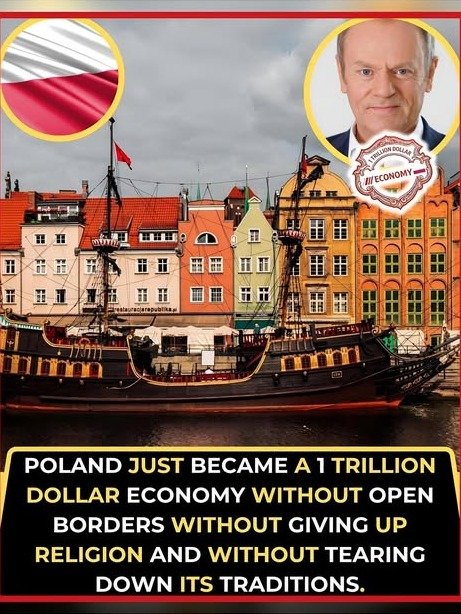
Imagine a nation that has not only climbed out of the shadow of its past but has skyrocketed into the global economic elite, all while fiercely guarding its unique identity. That nation is Poland, and its recent economic milestone is nothing short of extraordinary. This Central European powerhouse has officially surpassed a staggering one trillion dollars in economic output, marking a pivotal moment in its modern history.
This isn’t just a number; it’s a testament to decades of relentless effort, strategic reforms, and an unwavering spirit. For a country that faced immense challenges throughout the 20th century, reaching this economic zenith while simultaneously maintaining its profound cultural heritage is a truly remarkable achievement that demands closer examination. It’s a story of resilience, innovation, and a nation’s commitment to both prosperity and identity.
The Trillion-Dollar Triumph: A New Era for Poland
The moment Poland’s economy crossed the one trillion-dollar threshold was more than just an economic benchmark; it signaled a definitive shift in its global standing. This places Poland among a select group of economically powerful nations, solidifying its position not just as a regional leader but as a significant player on the world stage. It’s a powerful indicator of sustained growth, stability, and increasing influence.
This incredible growth trajectory has been fueled by a combination of factors, transforming Poland from a post-communist state into a vibrant, modern economy. For years, analysts have watched Poland’s consistent upward trend, but few anticipated such a rapid ascent to this elite economic club. This milestone is a clear signal that Poland is no longer just ’emerging’ but has firmly ‘arrived’.
A Journey of Resilience: From Transformation to Triumph
Poland’s economic story is one of profound transformation. Following the collapse of communism in 1989, the nation embarked on an ambitious path of market reforms, privatization, and integration into the global economy. This period was often challenging, marked by significant societal changes and economic restructuring, but the long-term vision has clearly paid off.
The strategic decision to embrace democracy and market principles, coupled with a determined workforce, laid the groundwork for the prosperity we see today. It’s a powerful narrative of a country that chose a difficult but ultimately rewarding path, demonstrating that with strategic planning and national resolve, profound economic change is not only possible but achievable on a grand scale.
Engines of Growth: What’s Driving Poland’s Surge?
Several key pillars have underpinned Poland’s economic expansion. Membership in the European Union in 2004 was a game-changer, providing access to a vast single market, significant structural funds, and a framework for institutional development. This integration spurred foreign direct investment (FDI) and facilitated the modernization of various sectors.
Furthermore, Poland boasts a highly skilled and educated workforce, offering competitive labor costs and a strong work ethic. This has attracted numerous international companies looking to establish production facilities, R&D centers, and service hubs. The nation’s strategic geographical location, serving as a bridge between Western and Eastern Europe, has also played a crucial role in its logistical and trade success.
- EU Membership: Unlocked market access, funds, and institutional stability.
- Skilled Workforce: Attracted FDI and fostered innovation.
- Strategic Location: Positioned as a key trade and logistics hub.
- Diversified Economy: Strong performance in manufacturing, services, and IT.
- Stable Macroeconomic Policies: Provided a predictable environment for investors.
Innovation and Entrepreneurship: The Polish Spirit
Beyond traditional industries, Poland has also fostered a burgeoning innovation ecosystem. Its vibrant startup scene, particularly in technology and IT, is gaining international recognition. Polish entrepreneurs are increasingly developing cutting-edge solutions, contributing to a dynamic and forward-looking economy.
The government has also played a role in supporting this growth through various initiatives aimed at fostering research and development, digital transformation, and small and medium-sized enterprises (SMEs). This blend of top-down support and bottom-up entrepreneurial drive creates a powerful engine for sustained economic vitality and future-proofing the economy.
The Cultural Heartbeat: Preserving Identity Amidst Prosperity
What makes Poland’s economic success even more compelling is its steadfast commitment to preserving its rich cultural heritage. Unlike some nations where rapid modernization can sometimes erode traditional values, Poland has managed to weave its historical identity into its contemporary narrative. Its cities, vibrant with art, music, and history, continue to thrive.
From the medieval charm of Krakow to the rebuilt grandeur of Warsaw, Polish culture remains a powerful force. Economic prosperity has, in many ways, enabled greater investment in cultural institutions, historical preservation, and artistic endeavors, ensuring that Poland’s unique soul continues to flourish for future generations. It’s a powerful example of how economic strength can be leveraged to safeguard and promote national identity.
“Poland’s economic journey is a masterclass in balancing ambition with heritage. The one trillion-dollar milestone isn’t just about financial might; it’s about building a future that honors a profound past.” – Economic Analyst, Dr. Elara Vance.
Poland’s Global Footprint: Beyond Borders
Poland’s economic influence extends far beyond its borders. As a significant exporter of goods ranging from machinery and electronics to food products and furniture, Polish products are found across the globe. Its robust trade relationships, particularly within the EU, contribute substantially to its GDP and reinforce its integration into the global supply chain.
Moreover, Poland is increasingly becoming a voice of influence in international forums, advocating for economic stability, regional cooperation, and responsible governance. Its economic weight grants it a stronger platform to shape policies and contribute to global discussions, further cementing its role as a mature and responsible international actor.
Challenges and the Road Ahead: Sustaining the Momentum
While the $1 trillion milestone is cause for celebration, Poland, like any thriving economy, faces its share of challenges. Demographic shifts, including an aging population and outward migration, pose potential long-term pressures on the labor market and social welfare systems. Addressing these issues will require innovative policy solutions and continued investment in human capital.
Furthermore, the global economic landscape remains dynamic and unpredictable. Geopolitical tensions, energy security, and the imperative for green transformation will all require careful navigation. Poland’s ability to adapt to these evolving circumstances will be crucial in sustaining its impressive economic momentum and ensuring continued prosperity.
Lessons from Warsaw: A Model for Development?
Poland’s journey offers valuable lessons for other nations striving for economic development and cultural preservation. Its success underscores the importance of: strategic political and economic reforms, leveraging international partnerships (like the EU), investing in education and infrastructure, and fostering a strong sense of national identity.
The Polish story is a powerful reminder that with vision, perseverance, and a commitment to both progress and heritage, even nations with challenging historical contexts can achieve extraordinary economic triumphs. As Poland looks to the future, its $1 trillion economy stands not just as an achievement, but as a robust foundation for even greater things to come, proving that you can build economic might without sacrificing your soul.
About the Author




