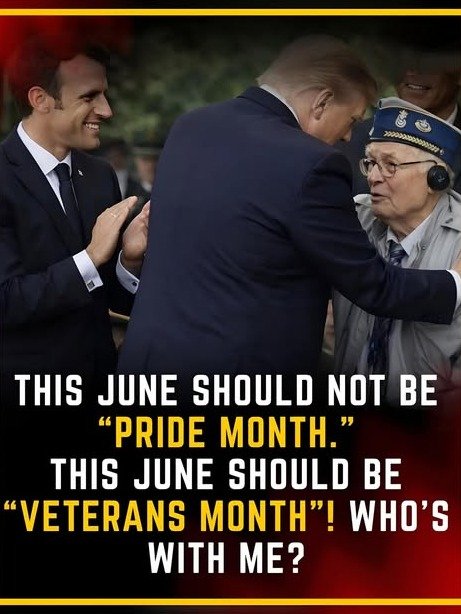
Imagine dedicating years of your life, facing unimaginable challenges, often in perilous environments, only to return home and confront a whole new set of battles—often in silence. This isn’t a hypothetical scenario; it’s the stark reality for countless U.S. military veterans who have selflessly served our nation.
While parades and heartfelt ‘thank yous’ are a vital part of acknowledging their immense contributions, true support extends far beyond these gestures. It demands a deeper understanding of their experiences and a sustained commitment to their well-being long after their uniform is put away. Their dedication, sacrifice, and unwavering commitment deserve nothing less.
The Unseen Cost of Freedom: Beyond the Battlefield
Our servicemen and women sign an unspoken contract, willing to put their lives on the line to protect the freedoms we often take for granted. This profound dedication often comes at an immense personal cost, both physically and psychologically. The scars they carry are not always visible, yet they profoundly impact every aspect of their post-service lives.
Many Americans feel a deep sense of gratitude and a desire to honor those who have served. This sentiment is powerful, but it needs to translate into tangible, ongoing support. We must ask ourselves: are we truly meeting the needs of our returning heroes, or are we inadvertently letting some fall through the cracks?
Navigating the Labyrinth of Civilian Life
The transition from military to civilian life is rarely smooth. Veterans often face a complex array of challenges, from understanding their benefits and accessing adequate healthcare to finding meaningful employment and rebuilding social connections. The structured, mission-driven environment of the military contrasts sharply with the often ambiguous landscape of civilian society.
This cultural shift can lead to feelings of isolation and disorientation. Skills honed in combat or specialized military roles don’t always translate directly to civilian job markets, creating frustrating barriers to employment. This is where community support and focused programs become absolutely critical.
The Invisible Wounds: Mental Health and Trauma
Perhaps one of the most pressing and often misunderstood challenges veterans face is the impact on their mental health. Exposure to combat, trauma, and the constant pressure of military service can lead to conditions like Post-Traumatic Stress Disorder (PTSD), depression, anxiety, and Traumatic Brain Injury (TBI). These aren’t weaknesses; they are injuries sustained in the line of duty.
“The bravest thing I ever did was asking for help. The hardest thing was finding someone who truly understood what I’d been through.” – A U.S. Veteran (anonymous)
The stigma surrounding mental health issues can prevent veterans from seeking the help they desperately need. They may fear judgment, feel they should be able to cope alone, or simply not recognize the signs themselves. Creating safe spaces and accessible, specialized mental healthcare is paramount.
Finding Their Place: Employment and Economic Stability
A stable job is more than just a paycheck; it provides purpose, structure, and a sense of belonging. Yet, many veterans struggle to find suitable employment after leaving the service. Employers may not fully grasp the value of military experience, or veterans themselves may find it difficult to articulate their skills in civilian terms.
Unemployment and underemployment can lead to financial strain, stress, and even homelessness. Supporting veteran employment initiatives, offering mentorship, and actively seeking to hire veterans are crucial steps. Their discipline, leadership, and problem-solving abilities are invaluable assets to any workforce.
The Fight for a Home: Addressing Veteran Homelessness
It’s a tragic irony that individuals who have defended our homes and nation can find themselves without a home of their own. Veteran homelessness remains a significant issue, often stemming from a combination of mental health challenges, substance abuse, lack of social support, and difficulty securing employment.
Addressing veteran homelessness requires a multi-faceted approach, including affordable housing initiatives, comprehensive support services, and community outreach. Every veteran deserves a safe place to call home, a sanctuary after their service.
How YOU Can Make a Difference: Tangible Ways to Help
Supporting our veterans isn’t just the responsibility of government agencies; it’s a collective duty for all citizens. There are numerous ways individuals and communities can step up and provide meaningful assistance:
- Volunteer Your Time: Many veteran organizations rely on volunteers. Whether it’s driving veterans to appointments, helping with events, or simply offering companionship, your time is invaluable.
- Donate to Reputable Charities: Financial contributions allow organizations to provide essential services, from mental health counseling and job training to housing assistance and adaptive equipment. Research charities like the Wounded Warrior Project, DAV (Disabled American Veterans), or local veteran support groups.
- Advocate for Veteran-Friendly Policies: Support legislation that enhances veteran benefits, improves access to healthcare, and creates more opportunities for their successful reintegration into society.
- Support Veteran-Owned Businesses: Actively seek out and patronize businesses owned by veterans. This directly contributes to their economic stability and empowers them as entrepreneurs.
- Hire Veterans: If you’re an employer, actively recruit veterans. They bring a wealth of transferable skills, leadership qualities, and an unparalleled work ethic to any organization.
- Educate Yourself and Others: Learn about the challenges veterans face. Share information, challenge misconceptions, and foster a greater understanding and empathy within your community.
- Simply Say ‘Thank You’ (and Mean It): A genuine expression of gratitude can go a long way. More importantly, listen to their stories, offer a helping hand, and be a supportive presence in their lives.
Building Bridges: Fostering Community and Connection
One of the most powerful forms of support is helping veterans rebuild and strengthen their sense of community. After the close-knit bonds of military life, civilian society can feel isolating. Creating opportunities for veterans to connect with each other and with their civilian neighbors is crucial for their well-being.
Local community centers, veteran social groups, and mentorship programs can play a vital role in fostering these connections. These platforms allow veterans to share experiences, find common ground, and build new support networks, combating the loneliness many often face.
Our Enduring Responsibility: A Call to Action
The commitment and sacrifice of our U.S. military veterans are cornerstones of our nation’s strength and freedom. Honoring their service means more than just remembering them on national holidays; it means actively supporting them every single day of the year. It’s about recognizing the full spectrum of their needs and dedicating ourselves to their successful and healthy return to civilian life.
Let us not forget the profound debt we owe. Let us ensure that no veteran is left behind, struggling in silence. By understanding their battles, amplifying their voices, and actively contributing to their well-being, we can truly demonstrate our gratitude and ensure that their sacrifices were not in vain. The time to act is now.
About the Author




