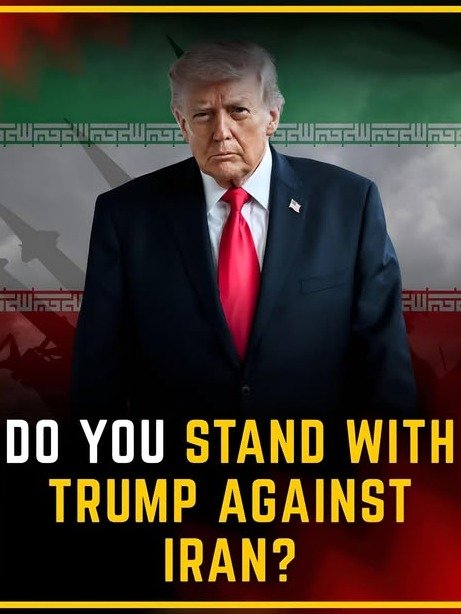
What if the next major global conflict isn’t a distant possibility, but a simmering reality fueled by deep divisions right here at home? The escalating tensions involving Iran have pushed the world to the edge, creating a geopolitical tightrope walk with potentially catastrophic consequences. This isn’t just a foreign policy debate; it’s a critical moment demanding your attention, as the choices made today will ripple across the globe for decades to come.
From the halls of Congress to dinner tables across the nation, America finds itself profoundly split on how to navigate this perilous situation. The stakes couldn’t be higher: regional stability, global energy markets, and even the threat of direct military confrontation hang in the balance. Understanding these complex layers and the fierce disagreements shaping U.S. policy is crucial, because what happens next will affect us all.
The Brewing Storm: Understanding the Iran-US Tensions
For years, the relationship between the United States and Iran has been a complex tapestry woven with threads of mistrust, strategic rivalry, and intermittent diplomatic efforts. At its core, the current escalation revolves around Iran’s nuclear program, its regional influence through proxy groups, and the stringent economic sanctions imposed by the U.S.
The withdrawal of the United States from the Joint Comprehensive Plan of Action (JCPOA), often called the Iran nuclear deal, in 2018 marked a significant turning point. This decision, driven by the previous administration’s belief that the deal was flawed and didn’t adequately curb Iran’s broader malign activities, set off a chain reaction. Iran subsequently began to scale back its commitments under the deal, accelerating its nuclear enrichment activities.
Beyond the nuclear issue, Iran’s support for various non-state actors across the Middle East – from Hezbollah in Lebanon to Houthi rebels in Yemen – is a constant source of friction. These proxy conflicts are viewed by the U.S. and its regional allies, particularly Saudi Arabia and Israel, as destabilizing forces that threaten their security and broader regional peace. Each incident, from tanker attacks in the Strait of Hormuz to drone strikes, ratchets up the tension further.
The Red Line Debate: Divergent US Policy Approaches
The political landscape in the U.S. is starkly divided on the best approach to Iran. On one side are the hawks, primarily within conservative circles, who advocate for a strategy of
About the Author




